
How Tariffs Are Shaking Up the Car Parts Industry
How Tariffs Are Shaking Up the Car Parts Industry: What Drivers Need to Know
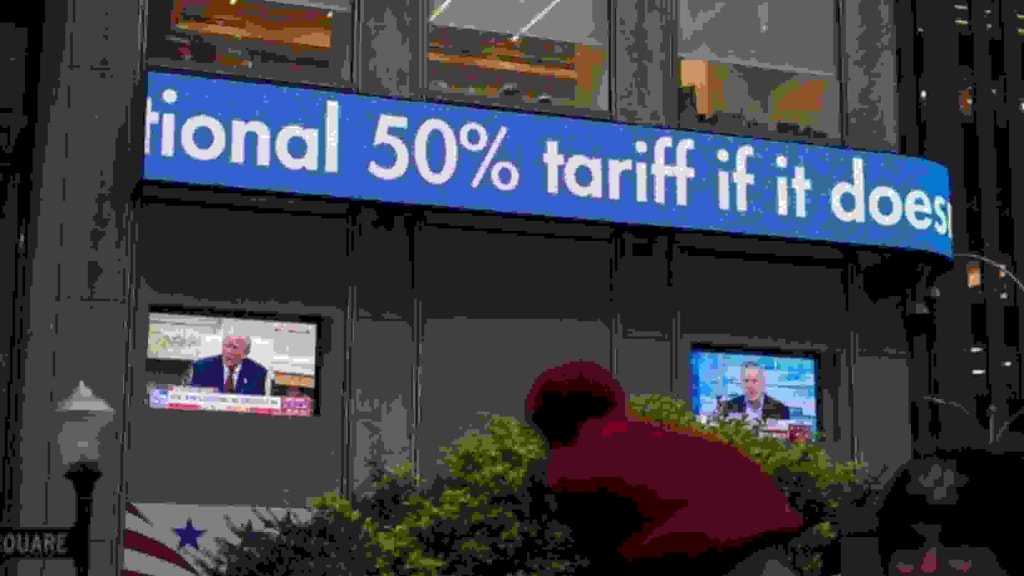
Have you noticed car repairs getting more expensive lately? You’re not alone. Recent changes in trade policies, including tariffs (taxes on imported goods), are causing big shifts in the car parts industry. From manufacturing costs to the price of your next oil filter, these changes affect everyone—businesses, mechanics, and everyday drivers. Let’s break down what’s happening, why it matters, and how it could impact your wallet.
1. Tariffs 101: Why They Matter for Car Parts
Tariffs are like a “tax” added to imported goods. Governments use them to protect local industries or push other countries to change trade rules. In recent years, tariffs on products like steel, aluminum, and electronics have made headlines. But why should you care?
Simple: car parts rely heavily on these materials. For example:
- Steel and aluminum are used in engines, frames, and wheels.
- Electronics power everything from sensors to infotainment systems.
- Rubber and plastics go into tires, hoses, and interior components.
When tariffs make these materials more expensive to import, companies either absorb the costs (hurting profits) or pass them to consumers (hurting your budget). For car parts, this means higher prices for repairs, replacements, and even new vehicles.
2. The Car Parts Supply Chain: A Domino Effect
Imagine a car part like a brake pad. It might contain steel from China, rubber from Vietnam, and be assembled in Mexico before reaching your local auto shop. Tariffs disrupt this global chain:
- Higher Production Costs: If a U.S. manufacturer pays 25% more for imported steel, making that brake pad becomes costlier.
- Delays: Companies might scramble to find new suppliers, causing shortages.
- Job Impacts: Some U.S. factories could hire more workers to avoid tariffs, while others might cut jobs due to rising costs.
Real-World Example:
When tariffs on Chinese goods hit in 2024, a major auto parts supplier reported a 15% jump in production costs. To cope, they raised prices for carmakers, who then charged more for new cars. Drivers felt the pinch at dealerships *and* repair shops
3. Stock Market Drama: Car Parts Companies in the Spotlight
The stock market reacts fast to tariff news. For example:
- Good News: If tariffs are paused, car parts stocks might surge. Investors see lower costs and higher profits ahead.
- Bad News: New tariffs can send stocks plummeting as fears of lower sales grow.
Hypothetical Scenario:
In April 2025, rumors spread that the U.S. might pause tariffs on Chinese auto parts. Within hours, shares of major car parts companies jumped by 8-10%. Investors breathed a sigh of relief, hoping cheaper imports would boost business.
But uncertainty remains. Will tariffs return? Will companies shift factories to avoid them? These questions keep the market on edge—and your retirement fund might feel the rollercoaster too.
4. Policy Shifts: Trump’s Tariff Strategy and What’s Next
Trade policies have been a rollercoaster. Former President Trump’s “America First” approach included heavy tariffs on China. But recent reports suggest even he’s changing tactics.
Why the Pivot?
- Consumer Backlash: Voters hate rising prices. With inflation biting, pausing tariffs could ease the pain.
- Business Pressure: Automakers and parts suppliers lobbied hard, warning that tariffs would cost jobs.
- Global Deals: New trade agreements with Mexico, Canada, or the EU might reduce reliance on Chinese parts.
What This Means for Car Parts:
If tariffs stay paused, companies might:
- Import More Parts Cheaply: Keeping repair costs stable.
- Delay Moving Factories: Why build in the U.S. if imports are affordable again?
But if tariffs return, brace for higher prices—and fast.
5. How Businesses and Drivers Can Adap
For Businesses:
- Diversify Suppliers: Don’t rely on one country. Source materials from Vietnam, India, or Mexico.
- Go Local: Partner with U.S. steel or rubber producers. It’s pricier but avoids tariffs.
- Invest in Innovation: Use 3D printing or recycled materials to cut costs.
For Drivers:
- Shop Around: Compare prices at dealerships, local shops, and online stores like RockAuto.
- Consider Used Parts: Salvage yards or certified refurbished parts can save money.
- DIY When Possible: Learn to change air filters or wiper blades yourself.
6. The Big Picture: Car Parts in a Changing World
Tariffs are just one piece of the puzzle. The car parts industry is also battling:
- Electric Vehicles (EVs): EVs need fewer traditional parts (like exhaust systems) but more tech components.
- Sustainability: Recycled materials and eco-friendly practices are becoming selling points.
- Global Politics: Trade wars, pandemics, and climate disasters all shake up supply chains.
Staying informed helps you make smarter choices, whether you’re running a repair shop or just trying to save on a new battery.
Final Thoughts
The car parts industry is at a crossroads. Tariffs, policy changes, and global trends are reshaping how parts are made, priced, and sold. While businesses navigate these challenges, drivers can stay ahead by researching options, budgeting for repairs, and keeping an eye on the news.
One thing’s for sure: whether you’re a CEO or a commuter, the road ahead will be full of twists and turns. Buckle up!
About the Creator
Parallel Protests
I haven't written for quite some time, but I have A LOT of thoughts about yesterday's protest rally against our government's involvement and complicity in America's war on Iran, on the harbourside of my home city Bristol, and I need to put them somewhere. My gorgeous girlfriend is always a loving and listening ear and sharing it all with her will always be a healthy and happy way of processing the mental and emotional weight, but getting it straight in my brain to share means writing it all down in straight lines, so, here we are and thanks for being here.
By Steph Cole9 days ago in The Swamp
New England Patriots’ Plane Brought Americans Back From the Middle East
An aircraft belonging to the New England Patriots was used in an unexpected humanitarian mission after helping transport American citizens out of the Middle East during a period of escalating regional tensions. The unusual operation highlighted how private organizations and sports franchises sometimes step in to assist during international crises when traditional travel routes are disrupted.
By Fiaz Ahmed 5 days ago in The Swamp




Comments
There are no comments for this story
Be the first to respond and start the conversation.