
Heatwave Alert and Schools: How France is Responding to Climate Emergencies in the Classroom
As temperatures rise, French schools adapt their protocols to protect students and teachers.

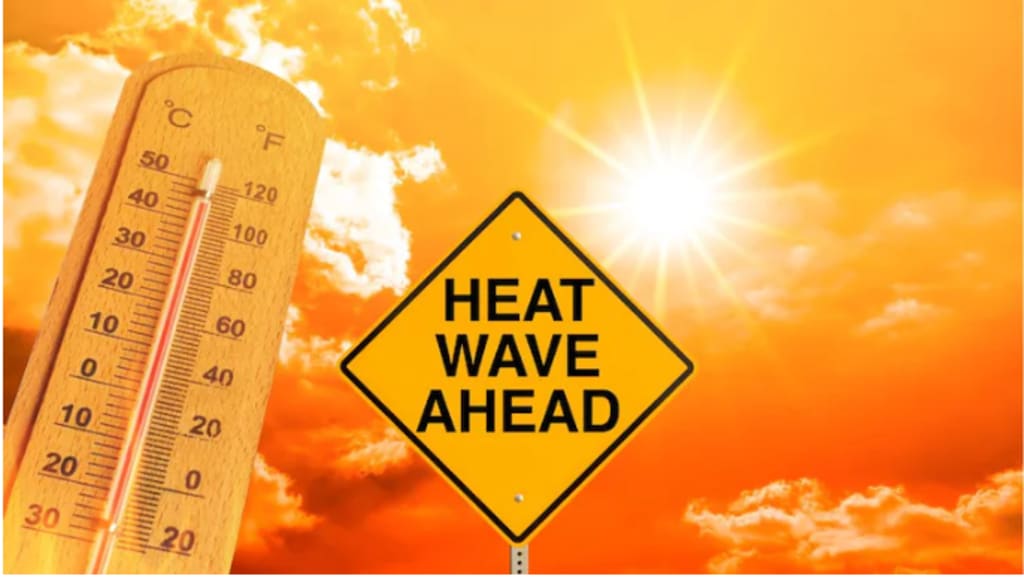
France is experiencing increasingly intense and frequent heatwaves, turning what was once a rare phenomenon into a seasonal norm. When heatwave alerts are issued by Météo-France, it’s no longer just the elderly or vulnerable who are at risk—schools are now on the frontline of this climate challenge.
National and local authorities, along with school administrators, are having to quickly adjust buildings and protocols to safeguard the health of students and educational staff. But what exactly does France do during these extreme heat episodes? And how are schools responding?
📢 What Does a Heatwave Alert Mean for Schools?
When a level orange or red heatwave alert is declared, local prefects may recommend or enforce specific actions within schools. These decisions are typically made in coordination with health authorities and school boards.
The main guidelines include:
Cancelling school outings and outdoor physical activities
Setting up cool or ventilated rooms within the school
Adjusting school hours (like early dismissal)
Distributing cold water and increasing health monitoring
In extreme cases, partial or complete school closures may be ordered, though this remains an exceptional measure.
🏫 Schools Not Designed for Heat
Despite these protocols, many school buildings in France are ill-equipped to handle extreme heat. Often constructed in the 1960s or 70s, schools lack proper insulation, airflow, or modern cooling systems.
A report by the National Observatory for School Safety and Accessibility found that over 60% of schools don’t have effective heat mitigation strategies.
Classrooms often turn into “ovens,” making it nearly impossible for students to focus, and raising health concerns for both children and staff.
👧 Children: A High-Risk Group
Young students, especially those in preschool and primary school, are more susceptible to dehydration and heatstroke. Their bodies don’t regulate temperature as efficiently, and they rely on adults to stay hydrated and protected.
The Ministry of Health recommends:
Offering water frequently throughout the day
Dressing children in light, breathable clothing
Reducing physical activity and sun exposure
💡 Local Solutions Taking Root
Faced with the challenges, some cities and schools have started to innovate:
Municipalities are installing misting systems in schoolyards
Thermal blinds, cooling curtains, and fans are being provided
Some schools are experimenting with reversed schedules, freeing children in the afternoon when it’s hottest
Green spaces are being added to combat urban heat islands
France’s national heatwave prevention plan also includes health monitoring protocols in schools, with designated staff trained to recognize signs of heat stress.
🔮 Rethinking the School of Tomorrow
Climate change isn’t a future risk—it’s the new normal. Experts from the IPCC forecast that France will face longer, more frequent, and earlier heatwaves in the years ahead.
This calls for a structural redesign of school facilities:
Better thermal insulation
Green roofs and shaded playgrounds
Sustainable, climate-friendly air conditioning
Reflective or natural materials to cool outdoor surfaces
Education authorities will also need to integrate climate awareness into the curriculum, teaching children early on about adaptation and sustainability.
Conclusion
The issue of heatwave alerts in schools is more than a public health concern—it’s a wake-up call about the vulnerability of our education infrastructure in the face of climate change. While emergency measures are essential, they must be paired with a long-term vision that unites ecology, health, and smart architecture.
Preparing schools for heatwaves means protecting the future of those who learn inside them.
About the Creator
Asad Ali
I'm Asad Ali, a passionate blogger with 3 years of experience creating engaging and informative content across various niches. I specialize in crafting SEO-friendly articles that drive traffic and deliver value to readers.
The Forsyth House Fire
Since 1851, Forsyth House has stood on the corner of Union Street and Gordon Street in the heart of Glasgow. Its iconic, or was... because on Sunday 8th of March, 2026, a fire broke out in a small, seemingly un-named shop in the building and tore all that history down. As I write, the rubble is still unsettled and the street is still blocked off. Central Station is quiet on the upper level, and around 30 small businesses have quite literally gone up in smoke.
By S. A. Crawford3 days ago in The Swamp



Comments
There are no comments for this story
Be the first to respond and start the conversation.