
Hamas Armed Wing Confirms Death of Abu Obeida and Other Senior Leaders
What this turning point means for the Gaza conflict and Hamas’s future
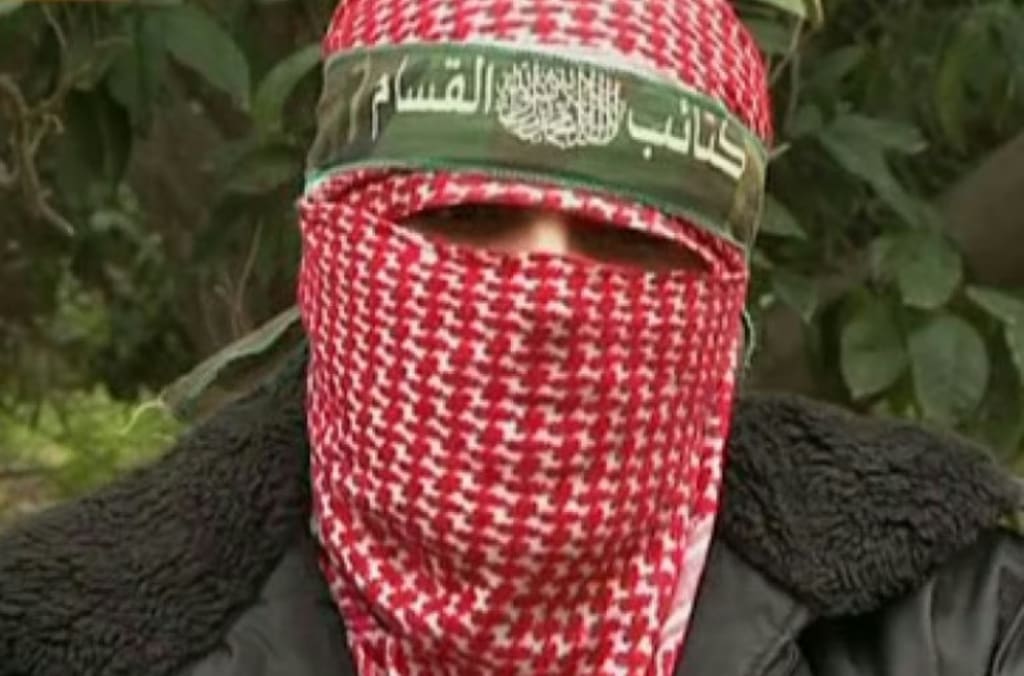
The Hamas armed wing has officially confirmed the death of Abu Obeida, its longtime military spokesperson, along with several other senior commanders. While Israel had previously claimed responsibility for killing these figures in targeted strikes, this is the first time Hamas has publicly acknowledged their deaths. The announcement marks a significant moment in the ongoing Gaza conflict and sheds light on how sustained military pressure is reshaping Hamas’s leadership and strategy.
This confirmation is not just a statement of loss—it is a signal of transition, resilience, and the evolving dynamics of a conflict that has already taken a heavy toll on the region.
Who Was Abu Obeida?
Abu Obeida was one of the most recognizable faces—though rarely seen—of Hamas’s armed wing, the Izz al-Din al-Qassam Brigades. Always appearing masked, he served for years as the official voice of the group during wars, ceasefires, and prisoner exchanges. His speeches were widely circulated across Arab media and social platforms, often shaping the narrative of Hamas’s military actions.
In its recent statement, Hamas revealed Abu Obeida’s real identity for the first time, confirming that he was killed in an Israeli airstrike in Gaza. This disclosure alone highlights the symbolic weight of his death. Abu Obeida was more than a spokesperson; he was a carefully constructed image of resistance and continuity. Losing him represents both a practical and psychological blow.
Other Hamas Leaders Confirmed Killed
Alongside Abu Obeida, Hamas confirmed the deaths of several other high-ranking military figures who played critical roles in the organization’s armed operations. These included commanders responsible for strategy, weapons manufacturing, and regional brigades within Gaza.
Some of the most notable figures confirmed dead include:
Senior field commanders involved in directing ground operations
Leaders overseeing weapons development and logistics
Regional brigade commanders, particularly in southern Gaza
Hamas described these figures as “martyrs,” framing their deaths as sacrifices rather than defeats. This language is consistent with how the group seeks to maintain morale and unity during periods of intense pressure.
Why the Confirmation Matters Now
The timing of this announcement is important. Israel had publicly stated months ago that it had killed several of these leaders, but Hamas remained silent—neither confirming nor denying the claims. By acknowledging the deaths now, Hamas appears to be closing a chapter and preparing for the next phase of the conflict.
The confirmation comes amid renewed diplomatic discussions around ceasefires, humanitarian access, and the future governance of Gaza. Acknowledging leadership losses at this moment may be Hamas’s way of resetting expectations while signaling that, despite these losses, the organization remains operational.
Notably, Hamas also introduced a new spokesperson who adopted the same name—Abu Obeida—suggesting that the role itself is designed to outlive the individual. This move reinforces the group’s message of continuity rather than collapse.
Impact on Hamas’s Military Structure
The deaths of senior commanders inevitably affect Hamas’s internal structure. Experienced leaders with years of battlefield knowledge are difficult to replace, especially under constant surveillance and military pressure. Tactical coordination, communication, and long-term planning may all be strained in the short term.
However, Hamas has historically demonstrated an ability to regenerate leadership from within its ranks. The group’s decentralized structure allows it to adapt, even after losing high-profile figures. While the operational impact may be significant, it is unlikely to bring an immediate end to Hamas’s military activities.
Reactions Inside Gaza
Reactions within Gaza have been mixed. Supporters of Hamas view the confirmed deaths as acts of martyrdom, reinforcing their narrative of resistance. Public expressions of mourning have circulated, particularly online, despite the severe humanitarian conditions facing the population.
At the same time, many civilians—already exhausted by years of conflict, displacement, and shortages—see these announcements as another reminder of how deeply entrenched and costly the war has become. For them, leadership changes offer little comfort amid daily survival struggles.
Regional and International Implications
Regionally, the confirmation may influence how neighboring countries and mediators approach negotiations. Leadership losses could either weaken Hamas’s bargaining position or harden its stance, depending on how new leaders assert themselves.
Internationally, the news adds complexity to discussions about ceasefires, reconstruction, and security arrangements in Gaza. Some actors may view the loss of senior commanders as an opportunity to push for political solutions, while others fear it could trigger further escalation as Hamas seeks to reassert strength.
What Comes Next?
The confirmation of Abu Obeida’s death marks the end of an era for Hamas’s military messaging. Yet, by immediately replacing him and reaffirming its goals, Hamas is signaling that it does not intend to retreat from the conflict.
Whether these leadership losses will lead to meaningful shifts in strategy—or simply prolong the cycle of violence—remains uncertain. What is clear is that the conflict continues to evolve, shaped not only by military operations but by symbolism, narrative control, and the ability of groups to adapt under pressure.
Final Thoughts
The Hamas armed wing’s acknowledgment of the deaths of Abu Obeida and other senior leaders is a powerful reminder of the human and strategic costs of prolonged conflict. While Hamas frames these losses as sacrifices, they also expose vulnerabilities and transitions within the organization.
As Gaza remains at the center of regional and global attention, leadership changes on all sides will continue to influence the direction of the conflict. For now, the confirmation closes one chapter—but opens many questions about what lies ahead
About the Creator
Keep reading
More stories from Aqib Hussain and writers in The Swamp and other communities.
Man Charged With Christmas Day Murder and Three Stabbings
Christmas Day, a time traditionally associated with peace, family gatherings, and celebration, was shattered by a violent incident that left one person dead and three others injured in a series of stabbings. Authorities have now charged a man in connection with the Christmas Day murder and the additional stabbing attacks, sending shockwaves through the local community and raising pressing questions about public safety, mental health, and violence during the holidays.
By Aqib Hussain3 months ago in The Swamp
The Forsyth House Fire
Since 1851, Forsyth House has stood on the corner of Union Street and Gordon Street in the heart of Glasgow. Its iconic, or was... because on Sunday 8th of March, 2026, a fire broke out in a small, seemingly un-named shop in the building and tore all that history down. As I write, the rubble is still unsettled and the street is still blocked off. Central Station is quiet on the upper level, and around 30 small businesses have quite literally gone up in smoke.
By S. A. Crawford3 days ago in The Swamp


Comments
There are no comments for this story
Be the first to respond and start the conversation.