
Greenland Updates: Denmark Floats NATO Mission on Island
How Greenland’s strategic location is reshaping Arctic security, alliance dynamics, and international diplomacy
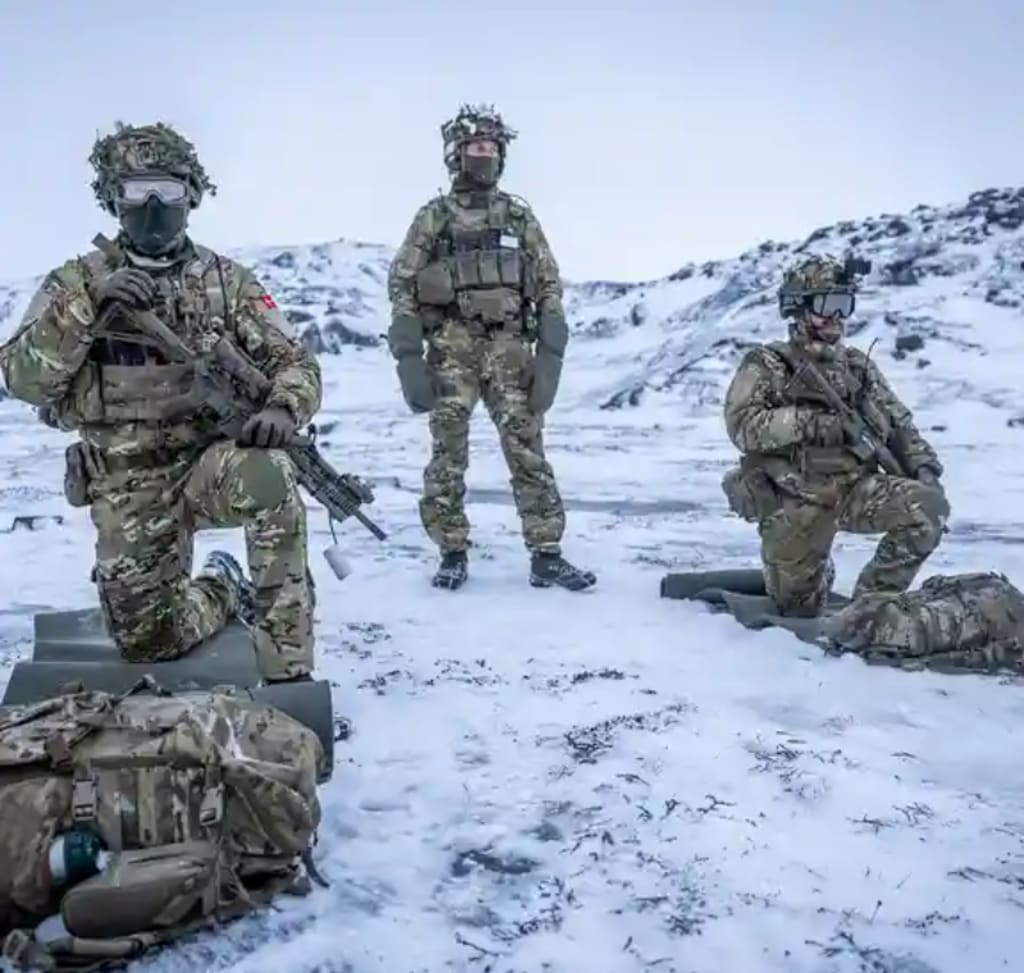
Greenland, the world’s largest island, is suddenly at the center of global attention—not because of its ice sheets, but because of geopolitics. In early 2026, Denmark proposed a NATO mission for Greenland, sparking discussions about Arctic security, international alliances, and the future of this strategically crucial territory. Here’s everything you need to know.
Why Greenland Matters
You might think of Greenland as remote, icy, and largely untouched—but in geopolitical terms, it’s gold. The island sits between North America and Europe, overlooking vital transatlantic air and sea routes. It’s near the GIUK gap, a key corridor for naval and air movements between the Atlantic and Arctic Oceans.
With Arctic ice melting faster than ever, new shipping routes and untapped natural resources have made Greenland a hot spot for military planning. NATO, led by Denmark, sees the island as a linchpin in protecting northern Europe and the wider Atlantic region.
Denmark’s Proposal: A NATO Mission
On January 19, 2026, Denmark, in partnership with Greenland’s government, floated the idea of a NATO-backed mission on the island. Danish Defence Minister Troels Lund Poulsen and Greenland’s Foreign Minister Vivian Motzfeldt discussed the proposal with NATO Secretary-General Mark Rutte in Brussels.
While details are still scarce, the mission would focus on collective security, surveillance, and strengthening military cooperation in the Arctic. Troops from other European allies could rotate in, and Denmark is already boosting its Arctic presence with new patrols, drones, and surveillance systems.
The goal is clear: ensure Greenland—and by extension, NATO’s northern flank—is prepared for any security challenges, from hostile incursions to climate-driven emergencies.
The US Factor
Greenland has also caught the attention of the United States. Former President Donald Trump has publicly suggested that Greenland is strategically important enough for the U.S. to take control—comments that caused waves internationally. Denmark and Greenland immediately rejected these suggestions, emphasizing that Greenland’s future belongs to its people and their elected government.
European leaders, including British Prime Minister Keir Starmer, have also pushed back, arguing that threats of tariffs or political pressure are unacceptable. The episode highlighted tensions within NATO and the delicate balance between alliance cooperation and national sovereignty.
Strengthening Arctic Defenses
Denmark isn’t just talking; it’s acting. Operations like Arctic Endurance involve Danish and allied forces conducting exercises across Greenland to improve readiness and situational awareness. The plan is for NATO allies—including France, Germany, the UK, Finland, and the Netherlands—to rotate forces on the island, reinforcing Denmark’s commitment to collective defense.
These moves signal a shift in NATO’s approach: Arctic security is no longer a niche concern for Denmark or the U.S.; it’s a collective responsibility for the alliance. With climate change opening new routes and opportunities, a strong military presence ensures both deterrence and preparedness.
Why a NATO Mission Matters
A NATO mission in Greenland isn’t just about military muscle. It’s about sending a message: the Arctic matters, alliances matter, and Greenland’s sovereignty matters. By working together, NATO allies can deter potential threats, reassure citizens, and share the burden of Arctic defense more fairly.
The mission would also serve as a diplomatic tool, strengthening ties between Greenland, Denmark, and the wider European community. In contrast, unilateral actions—like a U.S. takeover—would risk undermining decades of transatlantic cooperation.
What’s Next
The proposal is still in its early stages. NATO needs to discuss operational details, troop commitments, and funding before anything is finalized. But the conversations themselves mark a turning point: Greenland is no longer a frozen backwater—it’s a strategic hub, pivotal to both military strategy and global diplomacy.
As nations reassess their Arctic priorities, Greenland will remain a key player in discussions about climate, security, and international cooperation. Whether the NATO mission becomes reality or not, one thing is clear: the island’s icy terrain is now at the heart of 21st-century geopolitics.
Bottom Line
Greenland may be covered in ice, but it’s heating up in global politics. Denmark’s NATO mission proposal is more than a military plan—it’s a statement about sovereignty, alliance unity, and Arctic security. Keep an eye on Greenland: in a world of shifting alliances and climate-driven change, this island may be small in population but massive in geopolitical significance.
About the Creator
Keep reading
More stories from Aqib Hussain and writers in The Swamp and other communities.
‘Like an Earthquake’: How 40 People Died in a Spanish Train Crash
The sound, survivors said later, was not like metal grinding on metal. It was “like an earthquake.” In a matter of seconds, a routine train journey in Spain turned into one of the country’s deadliest rail disasters, claiming the lives of 40 people and injuring dozens more. The crash not only devastated families but also sparked national soul-searching about rail safety, human error, and institutional responsibility. A Normal Journey Turns Catastrophic The train was traveling at high speed along a well-used route, carrying commuters, tourists, and families eager to reach their destinations. Witnesses recall a calm atmosphere inside the carriages moments before the derailment. Some passengers were reading, others chatting or checking their phones, unaware that disaster was seconds away. As the train approached a sharp curve, it failed to slow down adequately. The result was catastrophic. Several carriages derailed, slamming into each other and overturning with immense force. The impact was so violent that passengers were thrown from their seats, luggage became deadly projectiles, and metal structures twisted beyond recognition. Emergency responders later described the scene as chaotic and haunting. Debris was scattered across the tracks, and cries for help echoed through the wreckage. “Like an Earthquake” Survivors struggled to put the experience into words. Many compared the crash to a natural disaster rather than an accident. “It felt like the ground exploded,” one passenger said. Another recalled being lifted out of their seat before everything went dark. The sensation of sudden, uncontrollable force left deep psychological scars on those who lived through it. For some, survival came down to where they were sitting or how the carriage landed. Others were trapped for hours, waiting for rescue teams to cut through twisted metal to free them. In those moments, fear mixed with disbelief as passengers realized the scale of what had happened. The Human Cost Forty people lost their lives that day, each one leaving behind grieving families and unanswered questions. Vigils were held across Spain as the nation mourned. Flowers lined train stations, and moments of silence were observed in schools, workplaces, and government buildings. The victims came from diverse backgrounds—students, workers, retirees, and visitors. What united them was the ordinary nature of their journey. They were not taking risks or engaging in dangerous behavior; they were simply traveling by train, a mode of transport widely considered safe. For families, the pain was compounded by the suddenness of the loss. Many learned of the crash through breaking news alerts or frantic phone calls, rushing to hospitals and information centers in desperate search of loved ones. Investigations and Accountability In the aftermath, attention quickly turned to how such a tragedy could occur. Investigators examined train speed, signaling systems, and operational procedures. Early findings suggested that excessive speed on a dangerous curve played a central role, raising questions about driver awareness, training, and the adequacy of automated safety systems. Critics argued that reliance on human judgment without sufficient technological safeguards created a deadly vulnerability. Why, they asked, were automatic braking systems not in place to prevent such a high-speed approach to a known hazardous section of track? The crash triggered legal proceedings, official inquiries, and heated public debate. For many families, accountability became as important as remembrance. They demanded transparency, reforms, and assurances that no one else would suffer a similar fate. A Turning Point for Rail Safety The Spanish train crash became a turning point in national discussions about transportation safety. Authorities pledged to review rail infrastructure, improve monitoring systems, and strengthen safety protocols. The tragedy served as a grim reminder that even modern rail networks require constant vigilance and investment. Experts emphasized that rail disasters are rarely caused by a single factor. Instead, they result from a chain of failures—technical, human, and organizational. Breaking that chain, they argued, is the key to preventing future loss of life. Remembering the Victims Years later, the crash remains etched into Spain’s collective memory. Memorials stand near the site, and anniversaries are marked with quiet reflection. For survivors and families, healing is ongoing, shaped by grief, resilience, and the hope that lessons learned will save lives. The words “like an earthquake” continue to echo—not just as a description of the physical impact, but as a symbol of how profoundly the disaster shook the nation. It was a moment that exposed vulnerabilities, demanded change, and reminded the world that behind every statistic are human lives forever altered by tragedy
By Aqib Hussainabout 21 hours ago in The Swamp
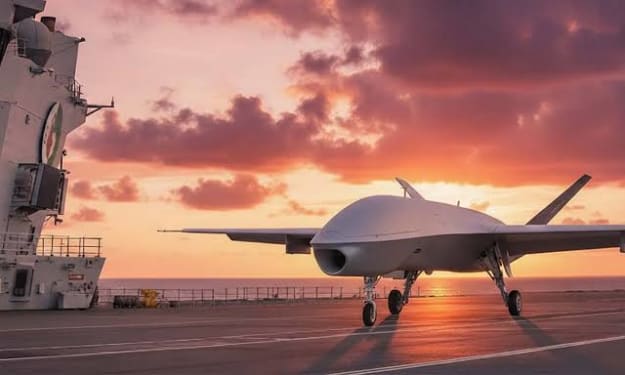
Royal Navy Plans Jet-Powered Autonomous Carrier Drone: A Bold Step Toward the Future of Naval Aviation
The Royal Navy is preparing for a major leap in naval aviation with plans to develop and deploy a jet-powered autonomous carrier drone. This move signals a decisive shift toward uncrewed combat and support systems, reflecting how modern navies are adapting to rapid technological change, evolving threats, and the high costs of traditional manned aircraft. If realised, the project could reshape how Britain projects power at sea and how aircraft carriers operate in the decades ahead. Why the Royal Navy Is Turning to Autonomous Jets Aircraft carriers have long been symbols of national power, but they are also expensive and vulnerable assets. Modern conflicts increasingly feature long-range missiles, electronic warfare, and drone swarms, forcing navies to rethink traditional carrier air wings. By investing in a jet-powered autonomous drone, the Royal Navy aims to enhance reach, survivability, and flexibility without putting pilots at risk. Autonomous carrier drones can operate in environments that would be highly dangerous for human crews. They can fly longer missions, tolerate higher levels of risk, and be produced at lower cost than manned fighter jets. For a navy operating a limited number of carriers, such as the UK’s Queen Elizabeth-class, this technology offers a way to multiply combat power without dramatically expanding budgets. What Makes a Jet-Powered Drone Different Unlike propeller-driven drones commonly used for surveillance, a jet-powered autonomous drone is designed for high speed, longer range, and potentially stealthy operations. Such drones could escort crewed fighter jets, conduct deep reconnaissance, suppress enemy air defenses, or even carry precision-guided weapons. The jet propulsion element is crucial. It allows the drone to integrate more seamlessly with carrier-based fighters like the F-35B, operating at similar speeds and altitudes. This opens the door to “manned-unmanned teaming,” where human pilots command or coordinate with multiple autonomous systems during a mission. Expanding the Role of UK Aircraft Carriers For the Royal Navy, this initiative aligns with a broader effort to future-proof its carrier strike groups. Autonomous drones could significantly extend the operational radius of a carrier, allowing it to strike targets farther inland while remaining at a safer distance from hostile shores. In addition to combat roles, these drones could support intelligence, surveillance, and reconnaissance missions, electronic warfare, and even logistics. A single carrier could deploy a mix of crewed jets, helicopters, and autonomous aircraft, creating a more versatile and resilient air wing. This approach also offers strategic advantages. By relying more on uncrewed systems, the UK can maintain credible naval power even with limited personnel resources. It also reduces the political and human costs associated with pilot losses in high-risk missions. Challenges on the Path to Deployment Despite its promise, the project faces significant technical and operational challenges. Launching and recovering jet-powered drones from aircraft carriers is complex, especially from short-takeoff decks like those used by the Royal Navy. Engineers must ensure that autonomous systems can safely handle deck operations, sudden weather changes, and high-stress combat conditions. There are also questions around command and control. Autonomous drones must be resilient to cyber attacks, electronic jamming, and communication disruptions. Developing secure systems that allow human operators to supervise or override autonomous decisions is critical, particularly given ethical and legal debates around autonomous weapons. Integration with existing platforms is another hurdle. The Royal Navy will need to ensure that new drones can work seamlessly with NATO allies, share data in real time, and fit within joint operational frameworks. How This Fits Into Global Trends The UK is not alone in pursuing carrier-based autonomous aircraft. The United States, China, and other major powers are all investing heavily in similar technologies. By moving early, the Royal Navy aims to remain competitive and relevant in an era where naval dominance increasingly depends on information, automation, and networked systems rather than sheer numbers of ships or aircraft. This initiative also reflects lessons learned from recent conflicts, where drones have proven decisive in surveillance, targeting, and strike roles. The future battlefield is likely to be crowded with uncrewed systems, and navies that fail to adapt risk falling behind. A Glimpse of the Navy of Tomorrow The Royal Navy’s plan for a jet-powered autonomous carrier drone is more than a technical upgrade—it represents a strategic transformation. It shows how Britain is preparing for a future where naval power is defined by adaptability, technological sophistication, and intelligent use of automation. While many details remain under development, the direction is clear. By embracing autonomous aviation, the Royal Navy is laying the groundwork for a more flexible, resilient, and forward-looking carrier force. If successful, this initiative could redefine how the UK operates at sea and ensure its carriers remain effective in an increasingly complex and contested world.
By Fiaz Ahmed Brohi5 days ago in The Swamp



Comments
There are no comments for this story
Be the first to respond and start the conversation.