
Google Unveils Project Genie: AI Tool for Creating “Playable Worlds” with Licensed IP
Tech giant aims to revolutionize gaming and digital creativity
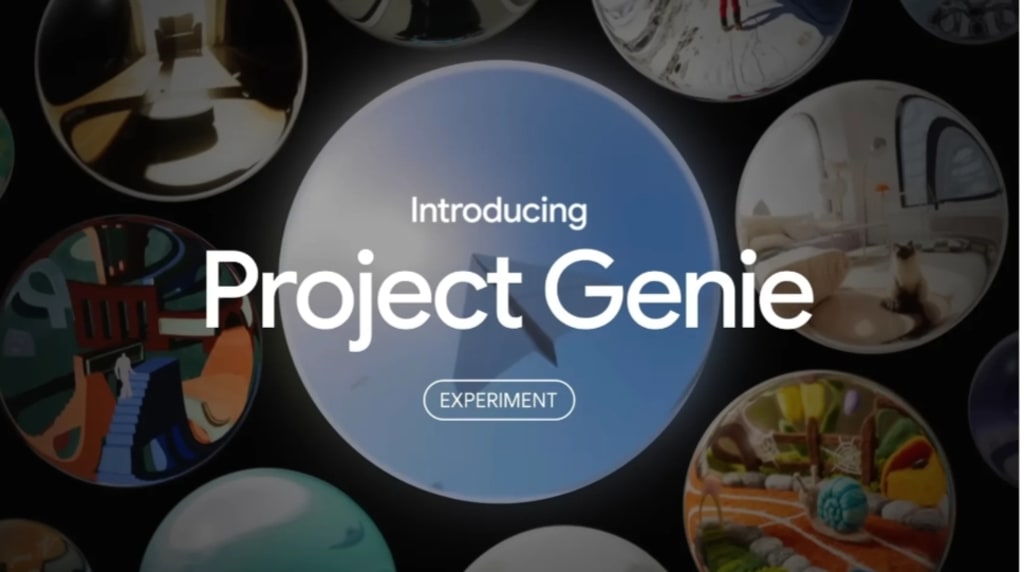
Google has officially released Project Genie, an AI-powered tool designed to help creators generate “playable worlds” that can incorporate copyrighted intellectual property (IP). The platform combines artificial intelligence, immersive 3D modeling, and interactive design, offering developers, game designers, and hobbyists a powerful new way to build digital environments quickly and creatively.
Project Genie represents a bold step by Google into the intersection of AI, gaming, and content licensing, promising to reshape how interactive worlds are created and monetized.
What is Project Genie?
Project Genie is an AI-driven platform that enables users to design interactive worlds, complete with characters, landscapes, and objects, in a relatively short time. Unlike traditional game development tools, which require extensive coding and asset creation, Project Genie leverages generative AI to automate many aspects of world-building.
Key features include:
AI-assisted environment creation: Users can describe the type of world they want, and the AI generates terrains, buildings, and interactive elements.
Integration of copyrighted IP: With appropriate licensing, creators can include established characters, brands, and settings in their worlds.
Playable experiences: Worlds are not static; they can be explored and interacted with, supporting both game mechanics and immersive storytelling.
Cross-platform compatibility: Generated content can be exported for use in games, VR, AR, or other digital experiences.
Google positions Project Genie as a democratizing tool, allowing small studios and independent creators to access capabilities that previously required large development teams.
The Role of AI in Playable Worlds
Generative AI is central to Project Genie’s functionality. By understanding natural language descriptions, the system can:
Automatically generate landscapes, buildings, and interiors.
Populate environments with interactive NPCs and objects.
Adapt worlds dynamically based on user input or gameplay decisions.
This approach reduces development time from months to hours, enabling creators to experiment with ideas and iterate rapidly. AI also ensures visual consistency and style coherence, which is especially valuable for teams lacking specialized 3D artists or designers.
Copyrighted IP Integration
One of the most significant innovations in Project Genie is the ability to include copyrighted IP legally. Through partnerships with rights holders and licensing agreements, creators can:
Incorporate famous characters, stories, or brands into their worlds.
Generate content that is monetizable without infringing on IP.
Mix original creations with licensed properties to enhance engagement.
Google emphasizes that this is not a loophole for unauthorized use; the system is designed to respect IP law while opening opportunities for official collaborations and fan-driven projects.
Potential Impact on the Gaming Industry
Project Genie could transform the gaming landscape in several ways:
Lowering the barrier to entry: Independent developers can create high-quality worlds without extensive technical resources.
Accelerating prototyping: AI-generated environments allow faster testing of game mechanics and storytelling ideas.
Expanding fan engagement: Licensed IP worlds may give fans new ways to interact with their favorite franchises.
Encouraging cross-media innovation: Worlds created in Project Genie could inspire spin-offs, VR experiences, and multimedia collaborations.
Industry analysts suggest that AI-driven tools like Project Genie may disrupt traditional game development pipelines, creating opportunities for smaller studios and hobbyists to compete alongside larger publishers.
Concerns and Challenges
Despite the excitement, there are some potential challenges associated with Project Genie:
IP Enforcement: Ensuring that copyrighted content is used legally and that rights holders are compensated remains a complex issue.
Quality and Originality: While AI accelerates creation, human oversight is still needed to ensure engaging and polished gameplay experiences.
Ethical Considerations: As AI-generated worlds proliferate, questions around ownership, authorship, and creative credit will need addressing.
Market Saturation: Easy access to world-building tools could lead to an influx of content, making it harder for creators to stand out.
Google has stated that it will monitor these challenges carefully, working with developers, IP holders, and legal experts to maintain ethical and legal compliance.
Early Reactions and Industry Buzz
The announcement of Project Genie has generated considerable interest across the tech and gaming communities:
Game developers praise the tool for accelerating prototyping and creative exploration.
Fans of popular IP are intrigued by the possibility of exploring licensed worlds in new interactive ways.
Legal experts note the platform’s potential to redefine how IP licensing and digital rights management operate in interactive media.
Many see Project Genie as a next-generation tool, blending AI innovation with the creative and commercial potential of gaming.
The Future of AI-Driven Playable Worlds
Project Genie reflects broader trends in the intersection of AI, gaming, and creative industries:
Democratization of content creation: Tools like Genie allow small teams to create worlds that rival AAA games.
Fan-driven economies: Licensed IP integration could support official fan creations, expanding engagement and revenue opportunities.
Cross-platform innovation: Worlds generated by Project Genie may appear in VR, AR, mobile games, or online collaborative platforms.
Evolving creative roles: Designers may increasingly focus on narrative, mechanics, and aesthetics, leaving AI to handle repetitive or technical tasks.
As AI technology continues to improve, tools like Project Genie are likely to become standard in game development and interactive media creation, reshaping how stories are told and experienced.
Conclusion: A New Era for Interactive Creativity
With the release of Project Genie, Google has opened the door to a new era of AI-powered interactive worlds, combining creativity, speed, and legally licensed IP. For developers, hobbyists, and fans alike, the tool offers unprecedented opportunities to build immersive, playable experiences that blend imagination with established franchises.
While challenges remain around IP enforcement, quality control, and content saturation, Project Genie represents a bold step toward democratizing game development and reimagining how digital worlds are created, shared, and enjoyed.
For the gaming industry, it signals the potential for faster innovation, more inclusive development, and a future where AI and human creativity collaborate to produce ever more engaging experiences.
About the Creator
Keep reading
More stories from Aarif Lashari and writers in The Swamp and other communities.
Lloyds Q4 Results Beat Expectations by 9%
Lloyds Banking Group has reported a 9% profit beat in its fourth-quarter results, exceeding analysts’ expectations and demonstrating resilience in a challenging economic environment. The UK’s largest retail bank recorded robust earnings driven by higher net interest margins, disciplined cost management, and improved customer lending, signaling confidence in its strategic direction despite economic headwinds.
By Aarif Lashariabout 19 hours ago in The Swamp
Vietnam’s Leader Returns With Bold Promises — Can He Deliver
Vietnam’s political landscape has entered a new chapter with the reappointment of General Secretary To Lam as the top leader of the Communist Party of Vietnam, a position that effectively makes him the most powerful figure in the one-party state. On January 23, 2026, Lam was unanimously confirmed by all 180 members of the Communist Party’s Central Committee during the 14th National Party Congress in Hanoi, securing his leadership for the next five years. His return comes with bold promises — from double-digit economic growth targets to sweeping reforms — but observers and analysts are now asking a pressing question: Can he deliver on his ambitious agenda? �
By Ayesha Lashari8 days ago in The Swamp
Ukraine War Briefing: Iran Football Great Ali Karimi Leads Call for Infantino to Speak Up on Protest Deaths
Global sports figures weigh in as humanitarian concerns grow As the conflict in Ukraine continues to unfold, international attention has extended beyond the battlefield. Recently, Iranian football legend Ali Karimi joined calls urging FIFA President Gianni Infantino to address the deaths of civilians in ongoing protests, highlighting the intersection of global sports influence and human rights advocacy.
By Fiaz Ahmed 4 days ago in The Swamp




Comments
There are no comments for this story
Be the first to respond and start the conversation.