
German Troops Deploy to Greenland: What This Means for Arctic Security
As German military personnel prepare to arrive in Greenland, Arctic geopolitics and security strategies are taking center stage.

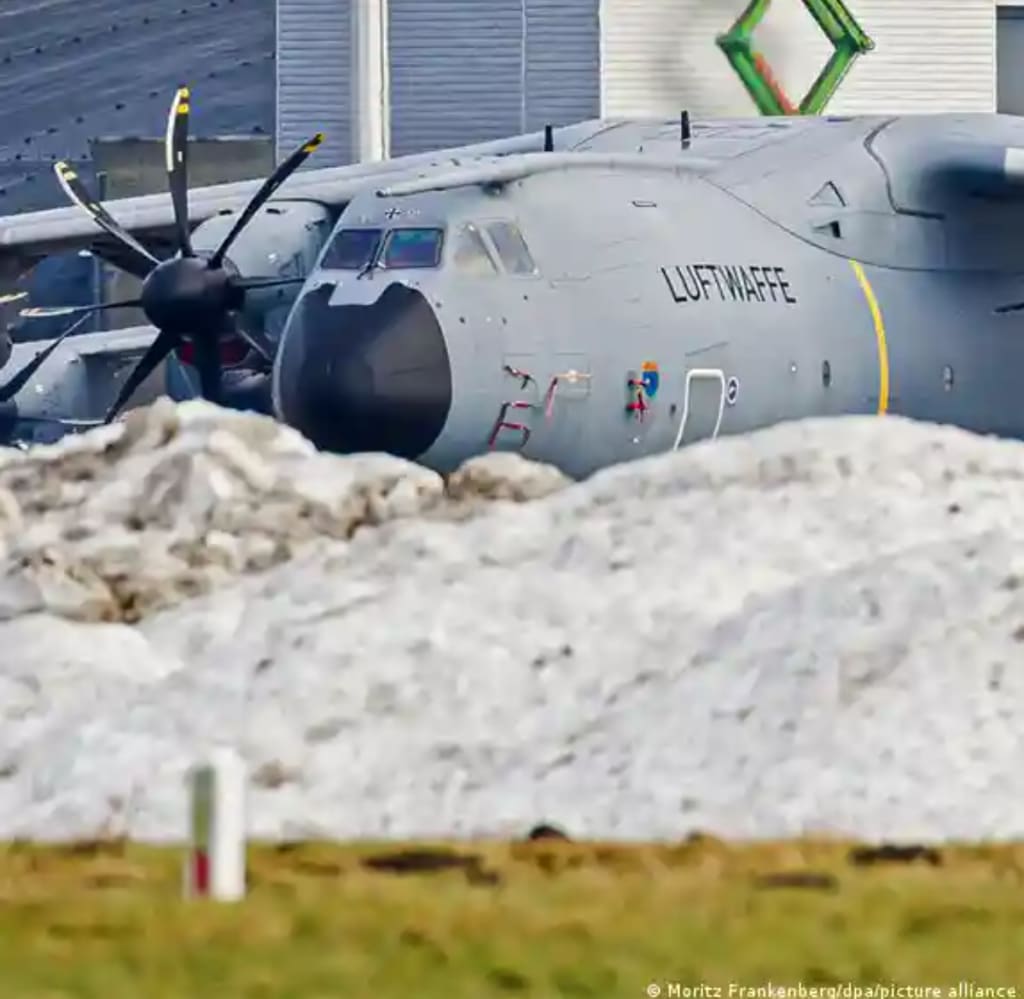
Germany is preparing to send military personnel to Greenland, a move that has captured attention across Europe and the Arctic region. While Greenland is an autonomous territory of Denmark, its strategic location in the Arctic has made it a focus of international interest. With climate change opening new shipping routes and nations eyeing untapped natural resources, the Arctic has transformed from a remote, frozen frontier into a geopolitical hotspot. Germany’s deployment signals a significant step in NATO’s Arctic strategy and raises questions about the purpose and implications of military activity in this once-quiet region.
Why Greenland Matters
Greenland is the world’s largest island, strategically positioned between North America and Europe. Its location makes it vital for transatlantic security, satellite monitoring, and potential shipping lanes that are increasingly accessible due to melting Arctic ice.
The region is rich in natural resources, including rare earth minerals, oil, and gas. As global demand for these resources grows, nations are investing in Arctic presence to protect economic and strategic interests. Greenland’s vast ice sheets also make it an important area for scientific research and environmental monitoring.
Germany’s Arctic Strategy
Germany’s deployment of military personnel to Greenland is part of a broader NATO-led strategy to strengthen Arctic defense capabilities. While Germany does not have territorial claims in the region, its participation reflects concern over growing Russian and Chinese influence in the Arctic. Russia has long maintained a military presence along the Arctic coast, while China has invested in Arctic infrastructure and shipping routes under its “Polar Silk Road” initiative.
By stationing troops in Greenland, Germany aims to:
Enhance NATO Cooperation: Strengthening ties with Denmark and other NATO members ensures a coordinated defense posture in the Arctic. Joint training exercises and shared resources improve readiness for potential emergencies.
Monitor Strategic Areas: Greenland is home to vital radar installations and early warning systems that are crucial for monitoring missile activity and airspace in the North Atlantic. German personnel can contribute to these operations, improving surveillance and intelligence sharing.
Support Environmental and Scientific Missions: Military personnel often assist with logistical support for scientific research, providing expertise in remote operations, transportation, and communications in harsh Arctic conditions.
Geopolitical Implications
Germany’s move comes at a time of increasing tension and competition in the Arctic. With ice sheets melting faster than expected, new shipping routes like the Northwest Passage and the Northern Sea Route are becoming navigable for longer periods each year. This opens opportunities for international trade but also raises security concerns, including territorial disputes and the protection of critical infrastructure.
The presence of German troops underscores the importance NATO places on collective security in the Arctic. It also signals to other global powers, particularly Russia and China, that European nations are committed to maintaining influence and stability in the region.
Cooperation or Competition?
While the deployment emphasizes defense, it also highlights opportunities for international cooperation. Arctic nations, including the U.S., Canada, Norway, and Denmark, have traditionally collaborated on scientific research, environmental protection, and maritime safety. Germany’s arrival could support these efforts, demonstrating that military presence does not necessarily mean conflict but can enhance shared operational capabilities.
However, the deployment may also intensify geopolitical competition, especially if more countries begin stationing forces or conducting exercises in the Arctic. Observers note that maintaining a balance between security and cooperation will be key to avoiding tensions in a sensitive environment.
Challenges of Arctic Deployment
Stationing military personnel in Greenland is not without difficulties. The Arctic presents extreme weather conditions, logistical challenges, and limited infrastructure. German troops will need specialized training in cold-weather operations, survival skills, and mobility across ice and snow-covered terrain.
Maintaining supply lines is another significant challenge. Remote bases in Greenland require careful planning for food, fuel, and equipment transport. Communication can also be difficult due to limited satellite coverage and harsh environmental conditions.
Despite these challenges, Germany’s military has invested in Arctic training programs and has experience participating in NATO exercises in cold climates, ensuring that personnel are prepared for the operational demands of Greenland.
Environmental Considerations
Military activity in Greenland must also consider environmental impacts. The Arctic ecosystem is fragile, and increased human presence could affect wildlife, ice integrity, and local communities. German and NATO forces are expected to follow strict environmental guidelines to minimize their footprint and ensure that operations align with sustainability goals.
What This Means for Local Communities
Greenland’s local population, primarily Inuit, has expressed mixed reactions to increased foreign military presence. While some see it as a source of economic opportunities and infrastructure development, others are concerned about sovereignty, cultural impacts, and environmental risks. Danish authorities, in collaboration with Greenland’s government, aim to ensure that foreign deployments respect local laws and traditions while providing security and economic benefits.
Conclusion
Germany’s planned deployment of military personnel to Greenland reflects the growing importance of the Arctic in global geopolitics, environmental monitoring, and strategic security. While challenges in extreme conditions and environmental concerns must be addressed, the move underscores NATO’s commitment to collective defense and international cooperation in a rapidly changing region.
As the Arctic continues to warm and new shipping routes emerge, nations will increasingly need to balance security, science, and sustainability. Germany’s presence in Greenland represents not just a military strategy but a signal that the Arctic is becoming a central arena for international collaboration and competition.
The arrival of German troops in Greenland is more than a deployment—it’s a statement about the future of the Arctic, global security priorities, and the growing interconnection between climate, technology, and defense. How nations navigate this sensitive frontier will shape geopolitical and environmental outcomes for decades to come.
About the Creator
Muhammad Hassan
Muhammad Hassan | Content writer with 2 years of experience crafting engaging articles on world news, current affairs, and trending topics. I simplify complex stories to keep readers informed and connected.
Keep reading
More stories from Muhammad Hassan and writers in The Swamp and other communities.
U.S. Consumers Show Remarkable Resilience Amid Economic Pressures
Despite a challenging economic environment marked by inflation, interest rate increases, and global uncertainty, U.S. consumers are demonstrating a level of resilience that continues to surprise economists and financial institutions alike. Recent reports from major banks suggest that Americans are not only coping but adapting their financial behaviors in ways that indicate both caution and confidence in their long-term stability. Consumers Hold Steady Despite Inflation Inflation has remained a dominant concern for households across the country. Food prices, gas, and housing costs have consistently outpaced wage growth in many areas, placing a significant strain on family budgets. Yet, banks note that the overall demand for consumer spending remains relatively stable. “Despite the persistent economic pressures, our data shows that Americans are maintaining their spending patterns, particularly on essential goods and services,” said a senior analyst at a leading U.S. bank. “There’s evidence that consumers are becoming more strategic with their finances, shifting priorities without drastically reducing their overall consumption.” One key observation is that Americans are adjusting discretionary spending rather than cutting back entirely. Luxury purchases and non-essential items have seen slower growth, while essentials such as groceries, healthcare, and housing-related expenses continue to receive priority. This shift suggests a deliberate effort by consumers to manage the impact of higher prices without completely altering their lifestyles. Credit and Lending Trends Reflect Cautious Optimism Banks are also closely monitoring credit usage and borrowing trends as indicators of consumer resilience. Surprisingly, credit card spending has remained relatively robust, even as interest rates rise. Many consumers are using credit strategically, balancing the need for immediate purchases with a careful eye on debt management. Mortgage and auto loans provide another lens into consumer confidence. While higher interest rates have cooled some parts of the housing market, mortgage applications remain steady in certain regions, reflecting ongoing demand for homeownership. Similarly, auto loan activity indicates that consumers continue to invest in necessary purchases, even amid cost pressures. Banks interpret these trends as signs that Americans are not retreating from financial obligations but are instead prioritizing debt repayment and financial planning. This careful balance of spending and saving underscores a sophisticated approach to navigating economic uncertainty. Savings and Emergency Funds Provide a Safety Net Another factor contributing to consumer resilience is the growth in savings and emergency funds in recent years. While the pandemic initially drove a surge in savings rates, many Americans have maintained disciplined financial habits. Even as inflation erodes some purchasing power, households with adequate reserves are better positioned to weather unexpected expenses or economic shocks. Financial experts highlight that maintaining an emergency fund is crucial in uncertain times. “Households with liquid savings are far more resilient to sudden changes in the economy,” said a personal finance advisor. “This cushion allows consumers to continue spending on essentials without resorting to high-interest debt, which helps stabilize the broader economy.” Regional Differences and Demographic Insights It’s important to note that consumer resilience is not uniform across all demographics and regions. Coastal cities, where living costs are higher, have shown different spending patterns compared to smaller towns and rural areas. Younger consumers, particularly millennials and Gen Z, are adopting more flexible financial strategies, including side hustles, budgeting apps, and investment diversification. Meanwhile, older generations tend to focus on preserving wealth and reducing debt. Banks report that this intergenerational variation in financial behavior contributes to the overall picture of resilience, as each group adapts strategies suited to their circumstances. The Role of Technology and Financial Literacy Technology has played a pivotal role in empowering consumers to manage their finances more effectively. Online banking, budgeting tools, and investment apps provide Americans with real-time insights into spending, savings, and investment opportunities. Banks note that financial literacy initiatives, combined with digital tools, have strengthened consumers’ ability to make informed choices under economic pressure. By leveraging technology, consumers can identify areas for savings, avoid unnecessary debt, and optimize investment returns. This proactive approach reflects a population that is not passively enduring economic challenges but actively seeking solutions to maintain financial health. Economic Outlook and Consumer Confidence Looking ahead, economists caution that pressures such as inflation, global supply chain disruptions, and potential interest rate adjustments could continue to influence household finances. Yet, banks remain optimistic about consumer resilience. “Even in the face of economic headwinds, American consumers are demonstrating remarkable adaptability,” said a spokesperson for a major financial institution. “Their ability to prioritize spending, manage debt, and maintain savings is a testament to financial discipline and confidence in the future.” Consumer sentiment surveys support this outlook, with many Americans expressing cautious optimism about their personal finances. While worries about the broader economy remain, households report confidence in their ability to navigate ongoing challenges. Conclusion The resilience of U.S. consumers underscores a critical strength in the American economy. By adapting spending habits, strategically managing debt, and leveraging savings and technology, households are maintaining financial stability despite ongoing pressures. Banks’ reports highlight that this resilience is not just a short-term trend but a reflection of thoughtful financial behavior and adaptive strategies. As the economic landscape continues to evolve, consumer resilience will remain a key driver of economic stability, offering hope that even in challenging times, Americans can sustain confidence, consumption, and growth.
By Muhammad Hassan2 months ago in The Swamp
A Gathering of Evil Bosses
“I’m the queen of chin jutting while I smooth my hair, attacking, insulting, and deflecting to protect my appointer.” “Oh, please, Blondi, my hair is curled, highlighted, and longer than yours. I feature television commercials telling immigrants that we will give them a free plane ride home, and if they voluntarily turn themselves in, they will be allowed to legally apply for re-entry. It runs everywhere, and I look good in it! You can’t compete because of your blond hair. Mine is nicer, and my lips are prettier than yours.”
By Andrea Corwin 23 days ago in The Swamp
‘No Popular Support’: China Warns Against Government Change in Iran
In a highly anticipated foreign policy statement on March 8, China delivered a clear warning against efforts aimed at changing the government in Iran, arguing that such moves lack popular support and could further destabilise an already volatile Middle East. Speaking at a major news conference in Beijing on the sidelines of the annual legislative meetings, China’s Foreign Minister Wang Yi emphasised that attempts to engineer a “colour revolution” or impose political change from the outside would not succeed, stating bluntly that such efforts “will find no popular support.” The comments come amid the intensifying conflict between the United States, Israel, and Iran, which escalated into major military confrontations after US‑led and Israeli air strikes targeted Iranian facilities. China’s position reflects its long‑standing policy of opposing foreign interference in the internal affairs of sovereign states, and underscores Beijing’s desire to see political disputes resolved through dialogue rather than force. A Firm Call for Sovereignty and Non‑Interference At the news conference, Wang stressed that the sovereignty and territorial integrity of nations—especially those in the Middle East—must be respected. He described the ongoing conflict as a war “that should never have happened” and warned that armed hostilities benefit no side, instead breeding hatred and new crises. In emphasising this stance, Wang reiterated a core principle of Chinese foreign policy: that regional issues should be resolved by the countries directly affected, without external pressure or imposed political change. “Middle East affairs should be determined by regional countries independently,” he said. “The people of the Middle East are the true masters of this region.” This warning against overseas efforts to shift Iran’s government appears explicitly tied to broader allegations about attempts to instigate regime change under the cover of conflict. China’s official position is that such tactics are unlikely to garner authentic domestic support within Iran and risk magnifying instability across the region. China’s Push for Political Dialogue Beyond discouraging regime change, Beijing called for a complete political settlement of the crisis through negotiation. Wang urged all involved parties to “return to the negotiating table as quickly as possible,” emphasising dialogue as the only viable path toward lasting peace and security. He underscored the importance of equitable diplomatic engagement that respects all sides’ concerns and interests. China also articulated a broader vision for regional security, pushing for what it calls a Global Security Initiative—an approach that seeks to involve regional partners in constructive diplomacy rather than punitive military actions. A Broader Message to the International Community Wang’s comments also appeared to be a calibrated message to Western powers, particularly the United States. While he did not name any country directly as the architect of regime change efforts, his remarks implicitly responded to persistent Western claims that political change in Iran might be necessary to end the conflict or transform Tehran’s policies. Speaking to reporters, Wang stated that strong military action and forced political change do not equate to genuine strength. “A strong fist does not mean strong reason,” he said. “The world cannot return to the law of the jungle.” This critique aligns with China’s broader diplomatic posture: advocating for multilateral respect and cautioning against unilateral actions that undermine state sovereignty. Challenges and Contradictions China’s position on Iran comes as global powers grapple with the scale and humanitarian impact of the war. While Beijing emphasises diplomacy and a political settlement, several Western nations have indicated support for leadership change or pressure tactics to alter Iran’s behaviour, deepening the divide in international responses. Analysts note that this divergence highlights competing worldviews: China promotes a model prioritising non‑interference and negotiated dialogue, whereas Western powers, particularly the United States, have been more willing to endorse pressure and, in some cases, regime change as a means to reshape adversarial states. The differing approaches reflect long‑standing strategic friction between major powers and how they interpret global security and order. Domestic Perspectives on Iran’s System Wang’s assertion that regime change lacks popular support is especially significant when viewed against internal Iranian dynamics. Surveys conducted in recent years suggest Iranian public opinion is complex; while significant dissatisfaction exists regarding governance and economic conditions, there has not been broad, sustained backing for top‑down regime replacement engineered from outside the country. These internal divisions add nuance to Beijing’s claim: not only would external pressure be unwelcome, but efforts aimed at systematic political overhaul might not resonate with the broader population. What This Means Going Forward China’s warnings against government change in Iran are part of a larger diplomatic playbook that emphasises sovereignty, negotiation, and stability. Whether this stance will influence concrete outcomes in the war remains uncertain, especially as geopolitical competition intensifies, involving multiple global powers with divergent interests. However, Beijing’s public position underscores a clear message: external attempts to remake Iran’s government are unlikely to garner legitimacy or support, and the only path toward lasting peace lies in sustained diplomacy and mutual respect among nations.
By Fiaz Ahmed 5 days ago in The Swamp
Becca
"Everything is so... flat." Denille said stupidly as she looked around her new neighborhood. She looked around at the muted desert where even the smallest sign of life seemed to have given up. The plant life was shrubs that were half cooked by the heat and where there should have been a lawn, a mess of white rocks laid glistening in the sun. Even the sky looked stretched thin, like the sun had ironed it smooth. She’d moved from Riverside, where at least there were hills, but here in Barstow, everything felt baked and brittle.
By Sara Wilson7 days ago in Fiction




Comments
There are no comments for this story
Be the first to respond and start the conversation.