
Fleet of Heavily Armed US Military Planes Land in England: What It Means for Transatlantic Security
“A Strategic Show of Force: Understanding the Implications of the US Military Deployment in the UK”

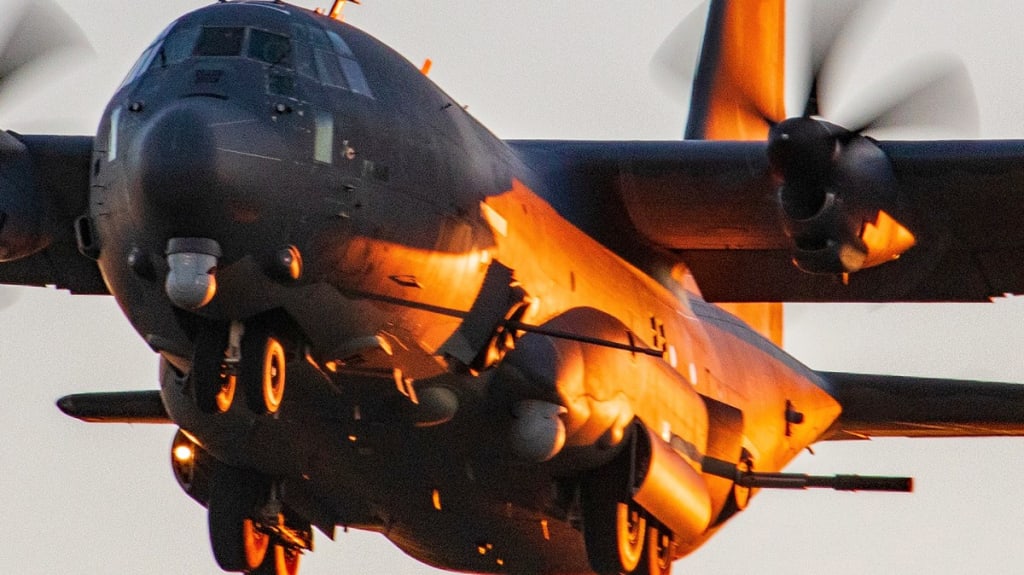
A fleet of heavily armed United States military planes has recently landed in England, sparking discussions across the Atlantic about security, preparedness, and the growing cooperation between the two NATO allies. The arrival of these aircraft, including bombers and tactical support planes, marks one of the most significant demonstrations of military readiness in recent years. Experts say that this deployment reflects not only operational capability but also geopolitical signaling amid a turbulent global security environment.
The Aircraft in Focus
Reports indicate that the fleet includes advanced bomber aircraft capable of carrying long-range precision weapons, along with refueling tankers and reconnaissance planes. These aircraft, designed for rapid deployment, are among the most sophisticated in the US Air Force’s arsenal. Their presence in England ensures that American forces can respond quickly to emerging threats in Europe, the Middle East, or Africa, depending on the mission parameters.
Analysts note that this deployment is part of routine NATO exercises but also serves a strategic purpose. By positioning heavy firepower close to potential hotspots, the US and UK demonstrate both deterrence and solidarity, signaling to potential adversaries that allied forces can mobilize quickly and operate seamlessly across borders.
Why England? Strategic Importance
England has long been a key location for transatlantic military operations. Its geographic position allows for quick access to Europe, the North Atlantic, and parts of the Middle East and Africa. The airbases hosting these aircraft are equipped with modern facilities, including rapid refueling stations, maintenance hangars, and secure communication networks. Such infrastructure enables sustained operations for long-range missions.
Moreover, England’s participation in NATO exercises ensures that American pilots and crews can train alongside British counterparts, improving coordination, interoperability, and readiness. Joint exercises are critical in modern warfare, where rapid communication and synchronized maneuvers can make a decisive difference in outcomes.
Implications for European Security
While routine in military terms, the landing of heavily armed US planes in England carries broader geopolitical implications. Europe is facing a complex security landscape, with rising tensions in regions like Eastern Europe and the Middle East. The presence of these aircraft is both a reassurance to allies and a warning to potential aggressors.
Defense experts highlight that these deployments are often interpreted as a form of “strategic signaling,” designed to showcase strength without initiating conflict. It sends a message that NATO allies are committed to collective security and that they are prepared to respond to threats quickly and decisively.
Public Perception and Political Reactions
The deployment has drawn mixed reactions among the public and political observers. Supporters argue that maintaining a visible, ready military presence is essential for deterrence and the protection of democratic nations. They point out that modern threats, ranging from state-sponsored aggression to terrorist activities, require rapid-response capabilities and advanced weaponry.
Critics, however, raise concerns about escalation and the optics of such displays. Some suggest that the conspicuous presence of heavily armed aircraft could increase tensions rather than promote stability. These debates underscore the fine balance military planners must strike between preparedness and provocation.
Training and Operational Readiness
In addition to signaling, the deployment allows for critical training opportunities. Crews can rehearse complex maneuvers, test equipment under realistic conditions, and enhance coordination with British forces. These exercises often include simulations of emergency scenarios, disaster response, and joint air defense operations, ensuring that both US and UK forces are prepared for a range of contingencies.
Training alongside allies also enhances tactical innovation. Pilots, engineers, and support staff exchange knowledge, share best practices, and refine operational procedures, which can significantly improve overall mission effectiveness.
Looking Ahead
The presence of heavily armed US military planes in England reflects a commitment to collective security, operational readiness, and strategic cooperation. As global tensions continue to evolve, NATO allies are increasingly relying on joint exercises and deployments to maintain stability and deter potential threats.
For citizens and policymakers alike, this development highlights the complexity of modern security challenges. It underscores the need for constant vigilance, coordination between allies, and the ability to project power rapidly in defense of international norms and agreements.
In a world where conflicts can arise with little warning, the landing of these planes serves as both a reminder and a reassurance: preparedness matters, alliances matter, and the transatlantic bond between the United States and the United Kingdom remains a cornerstone of regional and global security.
About the Creator
Fiaz Ahmed Brohi
I am a passionate writer with a love for exploring and creating content on trending topics. Always curious, always sharing stories that engage and inspire.
Keep reading
More stories from Fiaz Ahmed Brohi and writers in The Swamp and other communities.
Pak fan asks Varun Dhawan about Border 2 release in his nation, actor says: 'Sunny sir ke Pakistan mein bhi fans hain'
Bollywood actor Varun Dhawan recently sparked excitement among his Pakistani fans during an interaction that touched upon the much-anticipated sequel Border 2. Known for his charismatic presence on and off screen, Dhawan’s comments not only acknowledged the popularity of his peers but also highlighted the enduring cross-border appeal of Bollywood films. The interaction occurred during a live session on social media, where fans from different countries had the opportunity to ask Varun Dhawan questions directly. Among the queries, one fan from Pakistan asked when Border 2 would release in their country. This simple question led to a warm and respectful acknowledgment from the actor, who said, “Sunny sir ke Pakistan mein bhi fans hain,” referring to Bollywood veteran Sunny Deol, the lead in the Border franchise. Dhawan’s response quickly became viral, showcasing the deep connection Bollywood stars have with audiences beyond India. Bollywood’s Cross-Border Reach Bollywood has a long history of captivating audiences across the globe, particularly in South Asia. Despite political tensions, Indian films have consistently found a devoted fan base in Pakistan, where viewers eagerly watch releases ranging from masala entertainers to action-packed dramas. The original Border, released in 1997, was a patriotic war film that became an iconic success, not just in India but also among Pakistani audiences who appreciated its storytelling and performances. The discussion around Border 2’s potential release in Pakistan highlights how fans remain hopeful that cross-border cinematic experiences will continue. Varun Dhawan’s acknowledgment of Sunny Deol’s popularity in Pakistan was more than a casual remark; it was a nod to the longstanding cultural exchange and shared love for storytelling that transcends political boundaries. Varun Dhawan: Balancing New Projects and Fan Engagement Varun Dhawan has been one of the busiest actors in Bollywood, juggling multiple projects that span genres from action to romance. Despite his hectic schedule, he makes it a point to engage with fans directly on social media platforms, answering questions and sharing insights into his work. His candid acknowledgment of Pakistani fans reflects a growing trend among Bollywood stars to connect personally with audiences, fostering goodwill and maintaining cross-border fan loyalty. Dhawan also hinted that while he is focused on promoting his upcoming films in India first, he is aware of the excitement surrounding international releases. Border 2, expected to be an action-packed and patriotic sequel, is particularly anticipated due to the legacy of the original film. By mentioning Sunny Deol’s fan base in Pakistan, Dhawan acknowledged the broader appeal of the film, signaling that Bollywood stars are increasingly conscious of their international audiences. The Cultural Impact of Bollywood Across Borders The enduring popularity of Bollywood in Pakistan has often served as a bridge between cultures. Films like Border and actors like Sunny Deol, Shah Rukh Khan, and Salman Khan have created a shared cinematic language that transcends politics. Fans in Pakistan not only enjoy the entertainment value but also develop an appreciation for the craft, music, and narratives unique to Indian cinema. Varun Dhawan’s friendly acknowledgment highlights the role of cinema in promoting cultural dialogue. In times where political relations can be tense, the love for films remains a neutral ground where audiences connect over shared stories and characters. Such interactions between actors and fans help humanize celebrities and remind audiences of the universal appeal of art and storytelling. Fan Excitement and Expectations The response to Dhawan’s comment was overwhelmingly positive. Social media platforms were flooded with reactions from fans in Pakistan, expressing excitement and anticipation for Border 2. Many appreciated the actor’s acknowledgment, calling it a respectful and thoughtful nod to his cross-border supporters. Some fans even started online petitions and discussions advocating for an official release of Border 2 in Pakistan, underscoring the power of fan engagement in shaping distribution decisions. Bollywood’s influence continues to be strong in South Asia, and the anticipation for Border 2 in Pakistan is a testament to the enduring appeal of films that combine action, patriotism, and human stories. Varun Dhawan’s interaction serves as a reminder that while cinema entertains, it also connects people across borders, fostering mutual appreciation and cultural exchange. Conclusion Varun Dhawan’s acknowledgment of Sunny Deol’s fans in Pakistan is more than a passing comment; it reflects the wider influence of Bollywood and the shared love for cinema that transcends political divides. As Border 2 prepares for its release, fans in both India and Pakistan eagerly await the film, hoping to experience the action, drama, and patriotism that made the original a classic. Actors like Dhawan, who take time to engage with international audiences, play a key role in keeping the magic of Bollywood alive across borders.
By Fiaz Ahmed Brohi12 days ago in The Swamp
Japan Household Refrigerators and Freezers Market Size & Forecast 2025–2033
Japan Household Refrigerators and Freezers Market Overview Japan’s household refrigerators and freezers market is on a steady growth path as evolving lifestyles, technological sophistication, and sustainability priorities reshape consumer preferences. According to Renub Research, the Japan Household Refrigerators and Freezers Market is expected to grow from US$ 5.06 billion in 2024 to US$ 6.66 billion by 2033, registering a CAGR of 3.09% during the forecast period 2025–2033.
By Renub Research3 days ago in The Swamp


Comments
There are no comments for this story
Be the first to respond and start the conversation.