
Extreme Weather and Climate Change: The Growing Threat to Our Planet
How rising global temperatures are making extreme weather events more frequent — and what we can do to mitigate the damage.

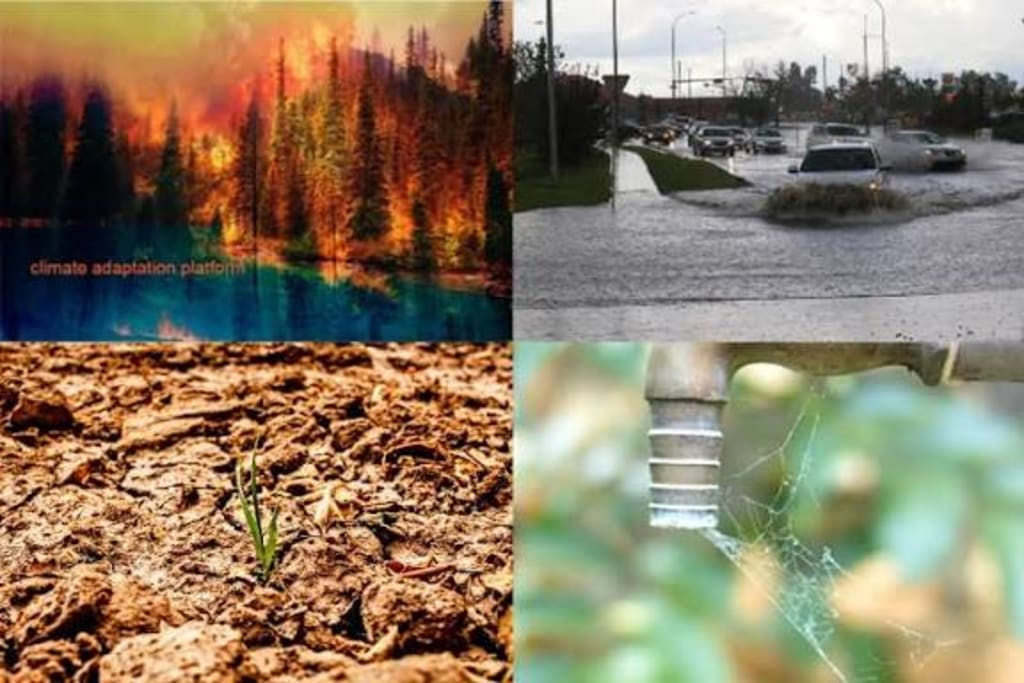
In recent years, the world has witnessed an alarming increase in extreme weather events: wildfires, heatwaves, powerful hurricanes, severe floods, and droughts. Many experts agree that these intense occurrences are not isolated incidents but are closely tied to climate change — a phenomenon that is rapidly transforming the way our planet behaves.
From scorching summer temperatures to catastrophic floods, climate change is pushing the Earth’s weather systems into uncharted territory. But how exactly does climate change lead to more extreme weather, and what can we do to reduce its impact? Let’s explore.
---
What Is Climate Change?
Climate change refers to long-term changes in temperature, precipitation, and other atmospheric conditions on Earth. While natural processes do cause fluctuations in the planet’s climate, human activities — particularly the burning of fossil fuels, deforestation, and industrial agriculture — have accelerated these changes.
The main culprit is carbon dioxide (CO2) and other greenhouse gases that trap heat in the atmosphere, causing global temperatures to rise. This process is often referred to as the “greenhouse effect,” and it is leading to a warmer planet with a variety of disruptive effects on weather patterns.
---
The Link Between Extreme Weather and Climate Change
As global temperatures rise, the atmosphere becomes more unstable. This instability leads to more extreme weather, both in terms of frequency and severity. Here’s how climate change is impacting specific weather events:
1. Heatwaves
Heatwaves are becoming longer and more intense. Higher temperatures lead to a greater frequency of extreme heat events — dangerously hot spells that can last for weeks. Cities are particularly vulnerable due to the urban heat island effect, where concrete, asphalt, and buildings trap heat, making cities even hotter than rural areas.
2. Wildfires
Warmer temperatures, combined with prolonged dry spells, create the perfect conditions for wildfires. In places like California, Australia, and the Amazon rainforest, wildfires are becoming more frequent, more intense, and harder to control. These fires not only destroy ecosystems but also contribute to air pollution and loss of biodiversity.
3. Flooding
While heatwaves dry out some areas, other places are experiencing heavier rainfall and more frequent flooding. Rising sea levels, a direct result of climate change, make coastal regions more susceptible to flooding during storms. The increased volume of rain, combined with less-absorbent soil in urban areas, causes rivers and drainage systems to overflow.
4. Hurricanes and Typhoons
Warmer ocean temperatures feed powerful storms, hurricanes, and typhoons, making them more intense. These storms are capable of causing widespread destruction, as seen in Hurricane Katrina in 2005 and Typhoon Haiyan in 2013.
5. Droughts
Rising temperatures also contribute to more severe droughts, particularly in already dry areas. Lack of water can devastate agriculture, threaten water supplies, and harm ecosystems.
---
Why Is Climate Change Making Extreme Weather Worse?
The science behind this is simple: as the planet warms, it alters the energy balance of the Earth’s climate system. Warmer air holds more moisture, which means that when storms do occur, they have more water to release, leading to heavier rainfall and stronger storms.
The increased heat also affects other systems. For example, melting polar ice reduces the Earth’s ability to reflect sunlight (a process known as the albedo effect), making the planet even warmer. Additionally, changes in wind patterns and ocean currents further disrupt regional climates, leading to more extreme temperature swings.
---
Real-World Examples of Extreme Weather Events
Recent years have shown just how damaging these changes can be:
California Wildfires: In 2020, California experienced its worst wildfire season on record, with over 4 million acres burned. Prolonged droughts and record-high temperatures were major contributing factors.
Cyclone Idai (2019): In Mozambique, Cyclone Idai devastated communities, claiming over 1,000 lives and displacing thousands more. The storm was made more intense due to warmer ocean waters, which act as fuel for tropical storms.
Flooding in Europe (2021): In Germany and Belgium, catastrophic flooding in the summer of 2021 caused hundreds of deaths and billions in damages. Experts pointed to the region’s unusually heavy rainfall as a result of a warming atmosphere.
Australian Bushfires (2019-2020): The "Black Summer" fires in Australia destroyed over 18 million acres of land and killed 33 people. Extreme heat and drought conditions, which have been worsened by climate change, played a major role in this unprecedented event.
---
What Can We Do to Mitigate the Effects of Climate Change?
The challenge of extreme weather and climate change requires action on multiple levels. While it is difficult to prevent some of the damage already in motion, there are things we can do to limit the future impact.
1. Reduce Greenhouse Gas Emissions
The most important step is to cut carbon emissions from burning fossil fuels. This includes transitioning to renewable energy sources like solar, wind, and hydroelectric power, and improving energy efficiency in buildings and transportation.
2. Invest in Climate Resilience
Cities and countries must invest in infrastructure that can withstand extreme weather events. This means building flood defenses, improving water storage systems, and reinforcing structures to withstand high winds and heat.
3. Reforestation and Conservation
Protecting forests and planting new trees can help absorb CO2 and stabilize local climates. Forests also act as natural barriers to flooding and provide shelter during heatwaves.
4. Support Climate Action Legislation
Governments must pass and enforce climate-friendly policies. This includes investing in public transportation, supporting sustainable agriculture, and regulating industries that pollute the environment.
5. Adaptation and Preparedness
Communities must prepare for the inevitable impacts of climate change by adopting early warning systems, planning for disaster response, and ensuring that vulnerable populations are protected.
---
Conclusion: A Shared Responsibility
The connection between extreme weather and climate change is no longer a matter of debate. It’s a reality that demands urgent action. While the challenges are large, they are not insurmountable. Through collective efforts — from governments, businesses, and individuals — we can take steps to limit the damage and build a more resilient future.
In the end, tackling climate change isn’t just about protecting the environment — it’s about safeguarding the lives and well-being of all people, especially those most at risk from the growing frequency and severity of extreme weather events.
---
About the Creator
Fiaz Ahmed
I am Fiaz Ahmed. I am a passionate writer. I love covering trending topics and breaking news. With a sharp eye for what’s happening around the world, and crafts timely and engaging stories that keep readers informed and updated.
Keep reading
More stories from Fiaz Ahmed and writers in The Swamp and other communities.
Social Justice: The Ongoing Fight for Fairness and Equality
In every corner of the world, people are raising their voices for something bigger than themselves — the demand for social justice. From protests against racial inequality to campaigns for climate action, social justice is about one central idea: that every person deserves to live with dignity, opportunity, and respect, no matter who they are or where they come from.
By Fiaz Ahmed 3 months ago in The Swamp
Black Pepper and Olive Oil: The Ingredients That Super-Charge the Nutrients You Get from Food
When it comes to eating healthy, most people focus on getting the right foods: vegetables, fruits, whole grains, and lean proteins. But did you know that how you eat these foods—and what you eat them with—can make a huge difference in how your body absorbs nutrients? Two everyday ingredients—black pepper and olive oil—are proving to be nutrient powerhouses, not just for flavor, but for boosting your health. Why Nutrient Absorption Matters It’s one thing to eat healthy foods, but it’s another for your body to actually absorb all the vitamins, minerals, and antioxidants in them. Many nutrients in foods are fat-soluble or require certain compounds to be absorbed efficiently. For example: Curcumin in turmeric is poorly absorbed on its own. Fat-soluble vitamins A, D, E, and K need dietary fats to travel through your digestive system. This is where black pepper and olive oil come in. By combining the right ingredients, you can maximize the nutrients you get from your meals—without needing expensive supplements. Black Pepper: More Than Just a Spice Black pepper contains a compound called piperine, which is responsible for its signature pungent taste. But piperine does much more than add spice to your dishes. Research has shown that piperine can enhance nutrient absorption, particularly for certain vitamins and plant compounds. One of the most famous examples is curcumin, the active ingredient in turmeric. On its own, curcumin is notoriously difficult for the body to absorb. Studies show that combining it with black pepper can increase absorption by up to 2,000%. That means a pinch of black pepper can turn your turmeric latte or curry into a nutritional powerhouse. But curcumin isn’t the only nutrient affected. Piperine has been shown to help the body absorb: Beta-carotene (precursor to vitamin A) Selenium Vitamin B12 Certain minerals like iron In other words, black pepper doesn’t just make your food taste better—it makes your body get more from it. Olive Oil: Healthy Fat That Unlocks Nutrients Many vitamins and plant compounds are fat-soluble, meaning they need fat to be absorbed properly. Olive oil, a staple of the Mediterranean diet, is rich in monounsaturated fats and antioxidants like polyphenols, making it one of the healthiest fats you can use in cooking. Adding olive oil to vegetables, salads, or grains can dramatically improve the absorption of key nutrients: Carotenoids like beta-carotene, lutein, and lycopene are better absorbed when paired with olive oil. This means your spinach, tomatoes, and carrots can provide more eye, skin, and immune system benefits. Fat-soluble vitamins (A, D, E, and K) are more efficiently absorbed when consumed with olive oil. A study published in the Journal of Nutrition found that adding olive oil to salad increased the absorption of carotenoids by up to seven times compared to eating the salad without fat. That’s a massive nutrient boost from something as simple as drizzling olive oil on your food. The Synergy of Black Pepper and Olive Oil While each ingredient is powerful on its own, combining black pepper and olive oil can have a synergistic effect. Here’s why: Enhanced absorption of fat-soluble compounds – Black pepper helps your body absorb bioactive compounds, while olive oil ensures those compounds are transported effectively through your digestive system. Increased antioxidant activity – Olive oil’s polyphenols and black pepper’s piperine can work together to fight oxidative stress, protecting cells from damage. Better nutrient utilization – By helping your body extract and use nutrients efficiently, these two ingredients can make a standard meal much more health-promoting. For example, a simple roasted vegetable dish with olive oil and a dash of black pepper isn’t just tasty—it becomes a nutrient-dense meal that your body can actually use. Practical Tips for Using Black Pepper and Olive Oil Integrating these nutrient boosters into your diet is easy: Drizzle olive oil over cooked or raw vegetables: Spinach, kale, tomatoes, and carrots all benefit. Add black pepper to spice blends: A pinch on soups, stews, salads, or grains can boost nutrient absorption. Combine with turmeric or other spices: Black pepper and olive oil together can maximize absorption of curcumin and other polyphenols. Use as a salad or grain dressing: Mix olive oil, black pepper, and a splash of lemon juice for a nutrient-enhancing dressing. The beauty of these ingredients is that they are accessible, inexpensive, and versatile—no fancy supplements required. By making these small tweaks, you can significantly improve your nutrient intake without changing your diet drastically. Conclusion: Simple Ingredients, Big Impact Eating healthily isn’t just about what’s on your plate—it’s also about how your body absorbs and uses nutrients. Black pepper and olive oil, two everyday kitchen staples, have the power to super-charge your nutrient intake, making every meal more beneficial. By harnessing the natural properties of piperine and monounsaturated fats, you can improve absorption of vitamins, minerals, and antioxidants—turning simple dishes into nutrient-packed meals. Whether you’re adding black pepper to your soups, drizzling olive oil on your salads, or combining both with other spices like turmeric, these small changes can have a big impact on your overall health. Next time you cook, remember: a little black pepper and a drizzle of olive oil can do more than flavor your food—they can make your body get the most out of it.
By Muhammad Hassanabout an hour ago in The Swamp



Comments
There are no comments for this story
Be the first to respond and start the conversation.