
European Officials Say It Is ‘Highly Likely’ Rare Poison Killed Navalny
Statements increase pressure on Moscow as international investigators seek clarity on opposition leader’s death

Introduction
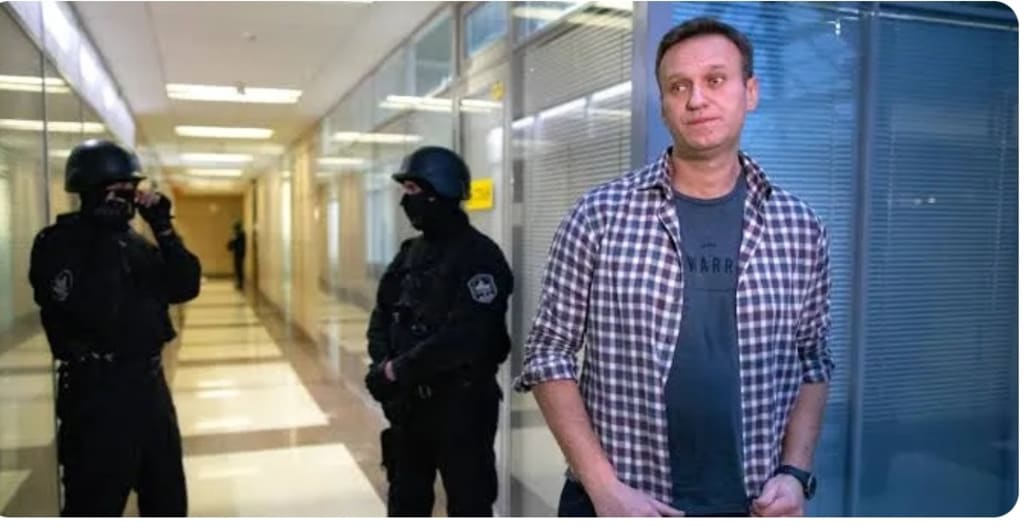
European officials have said it is “highly likely” that a rare poison caused the death of Russian opposition leader Alexei Navalny. The assessment, reported by The Washington Post, follows preliminary reviews by European laboratories and government agencies examining medical and forensic information.
The statements add to mounting pressure on the Russian government, which has denied responsibility. Navalny, a longtime critic of President Vladimir Putin, died after years of legal battles, imprisonment, and previous exposure to toxic substances.
Navalny’s History With Poisoning
Alexei Navalny had previously survived a poisoning attempt in 2020. At that time, European laboratories concluded he had been exposed to a nerve agent from the Novichok group, a class of chemical weapons developed during the Soviet era.
Navalny was treated in Germany after falling ill on a flight in Russia. International investigators later linked the poisoning to Russian security operatives, though Moscow rejected those findings.
The recent statements from European officials refer to his final illness and death, which occurred while he was in custody. According to officials, early findings are consistent with exposure to a rare toxic substance.
European Assessment
Several European governments have reviewed available medical evidence and intelligence reports. While final forensic conclusions have not been released publicly, officials said the pattern of symptoms and toxicology findings point toward a rare poison.
One senior European official told reporters that it is “highly likely” the substance involved was not naturally occurring. Authorities did not immediately specify the compound but indicated that specialized testing was required.
The European Union has called for a transparent investigation and urged Russia to cooperate with international experts.
Kremlin Response
Vladimir Putin and Russian officials have denied any role in Navalny’s death. The Kremlin has described foreign accusations as politically motivated and said it has not seen evidence supporting claims of poisoning.
Russian authorities have stated that an internal review is underway. However, critics argue that previous investigations into attacks on opposition figures have lacked transparency.
The Russian government has maintained that outside interference in its legal and judicial processes is unacceptable.
International Reaction
The statements from European officials have prompted reactions from leaders across the continent and beyond. Governments in the European Union, as well as the United States, have expressed concern about the findings.
Several countries have discussed the possibility of additional sanctions if further evidence confirms poisoning. Diplomatic discussions are ongoing about how to respond while maintaining unity among allies.
Human rights organizations have also renewed calls for accountability. They argue that Navalny’s death fits a broader pattern of pressure against political dissent in Russia.
Importance of Forensic Evidence
Determining the exact cause of death is central to international responses. Forensic testing in suspected poisoning cases often requires cooperation between multiple laboratories and independent observers.
In 2020, samples from Navalny were analyzed by laboratories in Germany, France, and Sweden, as well as by the Organization for the Prohibition of Chemical Weapons. Similar cooperation may be needed in this case to confirm findings.
European officials said that while they are confident in their assessment, they are awaiting final reports before drawing formal legal conclusions.
Political Implications
Navalny’s death has both domestic and international consequences. Within Russia, opposition figures have reported increased pressure in recent years. Internationally, the incident may further strain relations between Moscow and Western governments.
The European Union has previously imposed sanctions on Russian individuals and entities in response to human rights concerns and the earlier poisoning case. Any confirmation of a rare poison in this instance could lead to renewed measures.
Diplomats say that unity among European states will be important in shaping a response. Differences in economic ties and energy dependencies sometimes complicate joint decisions.
The Broader Context
Relations between Russia and many Western countries have been tense for years. Issues include the annexation of Crimea, the conflict in Ukraine, allegations of election interference, and cyberattacks.
Navalny’s earlier poisoning was widely seen as a turning point in European policy toward Russia. It prompted sanctions and increased scrutiny of Russian security services.
If new evidence confirms another poisoning, it could reinforce concerns that political repression remains an ongoing issue.
Legal and Human Rights Considerations
International law prohibits the use of chemical weapons and toxic agents for assassination or harm. If confirmed, the use of a rare poison would raise serious legal questions.
Human rights advocates argue that governments have an obligation to investigate deaths in custody thoroughly and transparently. They stress that accountability is essential for maintaining public trust in institutions.
European officials have said they are considering options that range from diplomatic measures to expanded sanctions. They have also called on Russia to allow independent experts access to relevant information.
Public and Media Coverage
Media outlets, including The Washington Post, have reported on the evolving assessments and official statements. Coverage has focused on the scientific aspects of toxicology as well as the political implications.
Public reaction across Europe has included demonstrations and statements of solidarity with Navalny’s supporters. Some European lawmakers have urged stronger action, while others have emphasized the need for verified evidence before policy decisions are made.
The reporting highlights the challenges of investigating suspected poisoning cases, particularly when access to evidence is limited.
What Comes Next
European officials say that final toxicology results will be critical in determining next steps. Independent verification could strengthen the case for coordinated international action.
Diplomatic discussions are expected to continue in Brussels and other European capitals. Officials are weighing how to balance accountability with broader geopolitical considerations.
Russia’s response will also shape developments. Whether Moscow cooperates with external inquiries may influence future diplomatic engagement.
Conclusion
European officials have stated that it is “highly likely” a rare poison caused the death of Alexei Navalny. While final reports are pending, the preliminary assessment has already intensified scrutiny of Russia’s actions.
The Kremlin denies responsibility, but international attention remains focused on forensic findings and calls for transparency. The outcome of ongoing reviews will likely affect relations between Russia and Western governments.
As investigations continue, the case underscores the importance of independent analysis, international cooperation, and respect for human rights. The final determination may have lasting implications for diplomatic ties and global norms regarding political dissent and state accountability.
About the Creator
Saad
I’m Saad. I’m a passionate writer who loves exploring trending news topics, sharing insights, and keeping readers updated on what’s happening around the world.
Why Black History Matters in America?
The United States of America is celebrating their 250th anniversary in 2026. I'm proud to be an American and as someone who was born here, I wouldn't imagine myself living anywhere else. This is a country where opportunities are possible. Where anyone can be successful in anything they desire to do. Equality, community, and togetherness are the backbones of what America is and should be about. However, we have an administration who wants to erase and disregard those who have made positive, meaningful impacts in our country, specifically Black figures, such as Martin Luther King, Jr., Rosa Parks, and Maya Angelou. President Trump and his administration have been constantly complaining and fighting against what they call the "Woke agenda". They use this excuse as a distraction from other issues they refuse to address, such as the high cost of living, climate change, and inflation. That equality is dividing America, when in reality, it's bringing us together. Being woke is not tied to a specific political party. No matter where you stand on the political spectrum, you can still care about other people and their plights. Compassion and empathy for others isn't tied to a political party, either. We were taught as children to treat others the way we want to be treated and not judge others because they're different from us. Caring about others isn't a personal attack on your beliefs. It doesn't make you any less of a person. People who are easily offended over African American figures, past or present, or anything related to it, are grasping at straws. Current and future generations need to know who people like Harriet Tubman and Shirley Chisholm were, especially in the classroom. Black History is part of American History. It should be recognized, not hidden or forgotten. Besides, you can't shield children from everything, just because your feelings are easily hurt.
By Mark Wesley Pritchard 14 days ago in The Swamp



Comments
There are no comments for this story
Be the first to respond and start the conversation.