
Europe’s Largest Rare Earths Mine: How EU Funding Clashes with Environmental Laws
The high stakes of mining critical minerals for Europe’s green future

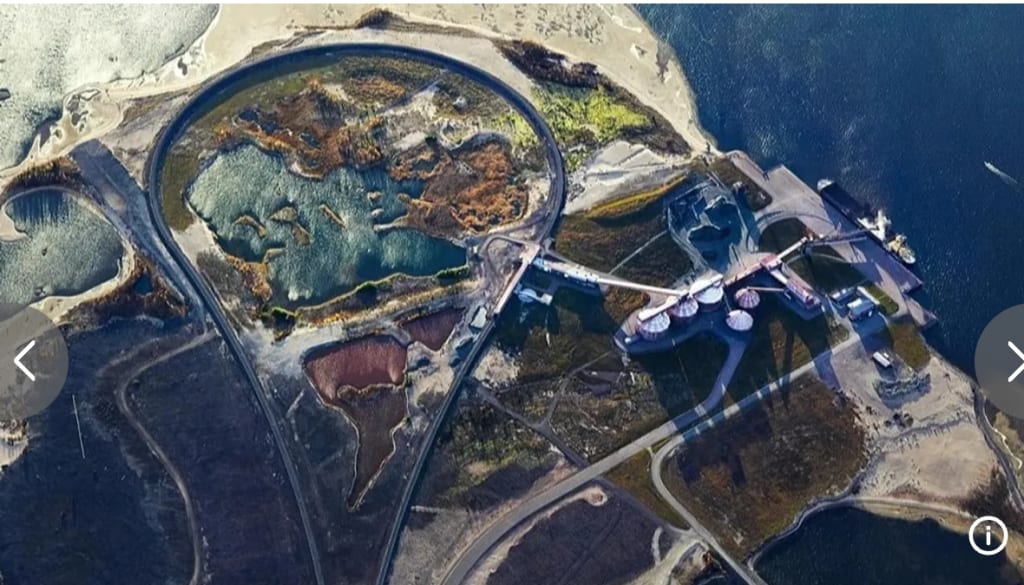
Europe is racing to secure its position in the global green technology supply chain, and at the heart of this strategy is a massive rare earths project. Rare earths are essential for everything from electric vehicle batteries to wind turbines, solar panels, and even high-tech electronics. But the continent’s largest planned rare earths mine is highlighting a stark tension: EU funding for strategic mineral projects vs. strict environmental protections.
This conflict isn’t just bureaucratic. It raises questions about whether Europe can simultaneously pursue its green ambitions and uphold the environmental standards that define it.
Why Rare Earths Matter
Rare earth elements (REEs) are a group of 17 metals used in cutting-edge technology, including magnets for electric motors, batteries, and even military hardware. Unlike more common metals, rare earths are difficult to extract and refine, requiring sophisticated technology and significant energy.
Europe currently relies heavily on imports, particularly from China, which dominates the global rare earth market. This dependence has prompted the EU to invest heavily in domestic production, both for economic security and to ensure the green energy transition isn’t hindered by supply bottlenecks.
Europe’s Largest Rare Earths Mine
The proposed mine, located in a region rich with mineral deposits, is expected to be Europe’s largest rare earths production site once operational. EU officials have labeled it a critical strategic asset, supporting the continent’s ambitions for electric vehicles, renewable energy infrastructure, and high-tech manufacturing.
Funding from the European Union for this project reflects its priority: reducing reliance on foreign imports, stimulating local economies, and enabling Europe to compete globally in clean technology industries. However, the mine also poses significant environmental challenges.
Environmental Concerns
Mining rare earths is not without risks. Extraction processes often involve chemical leaching, significant water usage, and the potential for radioactive contamination. Local communities and environmental groups have voiced concerns about the mine’s impact on water sources, biodiversity, and the surrounding ecosystem.
European environmental laws are among the strictest in the world, designed to protect natural habitats, endangered species, and clean water. Critics argue that EU funding for this project may conflict with these protections, creating a situation where strategic interests and environmental obligations collide.
Legal and Regulatory Tensions
The clash between funding and law is more than theoretical. Environmental impact assessments must meet rigorous EU standards before mining can commence. Any misstep could trigger lawsuits, delays, or sanctions, putting the project’s timeline — and Europe’s strategic goals — at risk.
Moreover, EU funding bodies must navigate legal frameworks carefully. Subsidies and financial incentives for the mine are intended to support strategic autonomy, but they cannot violate environmental directives. This tension has sparked debates within the EU over whether strategic priorities justify exceptions to environmental rules, or whether the two must be reconciled.
Local Communities and Public Opinion
Communities near the mine are caught in the middle. On one hand, the project promises jobs, infrastructure development, and economic investment. On the other hand, it brings fears of pollution, ecological degradation, and health risks.
Public opinion in Europe tends to favor strict environmental protections, and local opposition could influence the mine’s permitting process. Demonstrations, petitions, and campaigns by NGOs have already drawn attention to the risks of short-term economic gains vs. long-term ecological sustainability.
Balancing Strategic Needs and Environmental Responsibility
EU leaders face a dilemma: how to secure rare earths for the green transition without compromising environmental standards. Some policymakers advocate for streamlined permitting processes, arguing that Europe cannot afford delays in securing strategic minerals. Others insist that environmental law must remain non-negotiable, warning that compromising standards could undermine public trust and set a dangerous precedent.
Experts suggest that technological innovations in mining could provide a compromise. For example, more sustainable extraction methods, recycling of rare earths, and strict environmental monitoring could help the EU meet its strategic goals without violating environmental protections.
Implications for Europe’s Green Transition
The stakes are high. Europe’s ambitions for electric mobility, renewable energy, and high-tech manufacturing depend on a stable and secure supply of rare earths. Delays or legal obstacles at this mine could slow down green technology deployment, affecting Europe’s competitiveness on the global stage.
At the same time, failing to uphold environmental laws could damage Europe’s credibility as a leader in sustainability. This mine is a test case for whether Europe can balance economic strategy with ecological stewardship, a challenge that will likely shape policy debates for years to come.
Global Context
Europe is not alone in facing this tension. Countries worldwide — including the United States, Japan, and Canada — are exploring rare earth production while grappling with environmental and social responsibilities. What makes Europe’s case unique is the combination of strong environmental legislation and the urgency of the green transition.
The mine also highlights the geopolitical dimension: reducing dependence on Chinese imports is not just an economic concern but a matter of strategic autonomy, particularly in technologies essential for defense, energy, and high-tech industries.
Looking Ahead
The mine’s future depends on careful regulatory navigation, technological innovation, and community engagement. EU authorities, local governments, and corporate actors will need to collaborate to ensure that environmental laws are upheld while meeting strategic mineral needs.
If successful, the project could become a model for responsible rare earth production in Europe, demonstrating that economic, strategic, and environmental priorities can coexist. If mishandled, it could spark legal challenges, public backlash, and delays that hinder Europe’s green ambitions.
Final Thoughts
Europe’s largest rare earths mine is more than a mining project; it’s a litmus test for Europe’s ability to reconcile economic strategy with environmental responsibility. EU funding underscores the strategic importance of rare earths for clean energy and high-tech industries, but strict environmental laws reflect the continent’s commitment to sustainability.
The coming months will reveal whether Europe can strike a balance between these priorities, ensuring that the green transition does not come at the cost of ecological degradation — or public trust.
Europe’s approach to this mine will shape policy, public perception, and industrial strategy for decades, making it a defining issue in the continent’s pursuit of both sustainability and strategic autonomy.
About the Creator
Muhammad Hassan
Muhammad Hassan | Content writer with 2 years of experience crafting engaging articles on world news, current affairs, and trending topics. I simplify complex stories to keep readers informed and connected.
Keep reading
More stories from Muhammad Hassan and writers in The Swamp and other communities.
US, Ukraine and Russia Delegations Head to Abu Dhabi for First Trilateral Talks
For the first time since Russia’s invasion of Ukraine in early 2022, delegations from the United States, Ukraine, and Russia are heading to Abu Dhabi for trilateral talks. This rare three-way meeting is aimed at discussing possible ways to ease tensions in one of the deadliest conflicts in Europe in decades.
By Muhammad Hassanabout 21 hours ago in The Swamp
The List of World Leaders Invited to Trump’s Board of Peace for Gaza
In January 2026, former U.S. President Donald Trump announced an ambitious — and controversial — global initiative aimed at bringing peace and reconstruction to the Gaza Strip. He called it the “Board of Peace”, a multinational body meant to help govern, stabilize, and rebuild Gaza after years of conflict. The plan has stirred reactions worldwide. Some leaders are cautiously supportive, some have declined, and others are still deciding. Let’s take a closer look at the leaders and nations involved in this controversial project. What Is the Board of Peace? The Board of Peace is intended to be a multilateral forum overseeing the next phase of Gaza’s peace process. Its mission covers governance reform, security stabilization, economic development, and reconstruction. While the initiative focuses on Gaza, its charter hints at broader global influence — which has raised eyebrows among diplomats and international institutions, including the United Nations. Membership works a bit differently than traditional diplomatic organizations. Countries can serve three-year terms, but if they contribute $1 billion toward the board, they earn a permanent seat. Who’s Leading the Board? The executive leadership includes former and current U.S. officials, financial figures, and international diplomats. Key members are: Donald Trump – Chair Marco Rubio – U.S. Secretary of State Steve Witkoff – U.S. Special Envoy to the Middle East Jared Kushner – Former Senior Advisor Tony Blair – Former U.K. Prime Minister Marc Rowan – U.S. Financier Ajay Banga – President of the World Bank This core group will oversee the board’s operations and guide Gaza’s peace and reconstruction efforts. Heads of State and Government Invited According to multiple news reports and diplomatic sources, a wide range of world leaders received invitations. Confirmed Invitations / Acceptances Hungary – Prime Minister Viktor Orbán (accepted) Vietnam – Government (accepted) Argentina – President Javier Milei (invited/accepted) Canada – Prime Minister Mark Carney (agreed in principle) Morocco – King Mohammed VI (accepted) Turkey, Egypt, Jordan, India – Invitations sent, responses pending Other Nations Reportedly Invited Media reports suggest that leaders from countries including Australia, Brazil, Germany, Greece, Italy, Japan, Saudi Arabia, Singapore, South Korea, Spain, Sweden, Switzerland, UAE, United Kingdom, and Ukraine also received invitations. Some of these invitations are officially unconfirmed, but sources indicate outreach was made. Responses from Leaders Acceptances Hungary and Vietnam have officially accepted the invitations. Canada and Morocco have indicated willingness to participate in principle. Hesitations France has formally declined, expressing concern about the board’s legitimacy and overlap with the UN. Many European countries have been cautious, concerned about a lifetime chairmanship by Trump and financial obligations. Russia and China Russia is reviewing the invitation. China confirmed it received the invitation but hasn’t committed yet. Controversy Surrounding the Board The Board of Peace has stirred debate. Critics argue it may undermine the UN and established peace efforts. The $1 billion contribution requirement has also drawn scrutiny for potentially privileging wealthy nations and private interests over humanitarian needs. Even Israel has raised objections, worrying that the board could influence Gaza without proper coordination with its own security strategy. What’s Next? The full list of participants and the board’s powers are expected to be officially announced at an upcoming ceremony alongside the World Economic Forum in Davos. With some key players hesitating, questions of legitimacy, and potential overlap with international institutions, the board’s real-world impact remains uncertain. Final Thoughts Trump’s Board of Peace for Gaza has created a complex diplomatic landscape. While some leaders are stepping forward to participate, others are watching carefully. Whether this initiative becomes a groundbreaking effort for Gaza’s reconstruction or a controversial footnote in global diplomacy will depend on the next few months. One thing is clear: the world will be watching.
By Aqib Hussain4 days ago in The Swamp



Comments
There are no comments for this story
Be the first to respond and start the conversation.