
Egypt Launches $51 Million Revamp of Pyramids of Giza Amid Vendor Protests and Animal Welfare Concerns
Historic site modernization aims to boost tourism and protect animal welfare but local vendors fear loss of livelihoods amid sweeping changes

Egypt Launches $51 Million Revamp of Pyramids of Giza Amid Vendor Protests and Animal Welfare Concerns
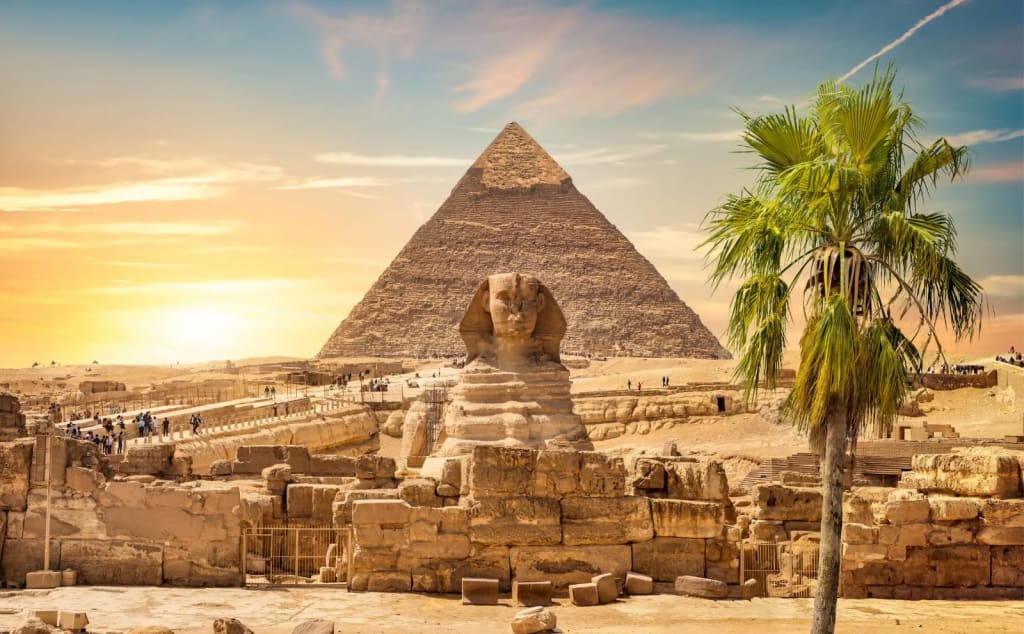
Egypt has embarked on an ambitious $51 million project to revamp the Pyramids of Giza one of the world's most iconic and visited heritage sites. The massive overhaul aims to improve the visitor experience introduce sustainable tourism practices and modernize the surrounding area without compromising the historical and cultural value of the ancient wonder. However the initiative has also sparked significant protests from local vendors and animal rights concerns making the restoration effort a complex balancing act between modernization and tradition.
A New Vision for the Giza Plateau
The restoration project includes the construction of modern visitor centers clean transportation systems using electric buses improved pathways better signage and enhanced security measures. A major objective is to reduce the environmental impact caused by the overwhelming number of tourists who visit the site every year. According to the Egyptian Ministry of Tourism and Antiquities these improvements are designed to create a smoother more organized experience for tourists ensuring that Giza remains a world class destination. The plan also aims to eliminate chaotic elements that have plagued the area for years such as aggressive touts poor sanitation and unregulated animal rides.
Tourism is a cornerstone of Egypt's economy and officials hope that a revitalized Giza Plateau will contribute to attracting millions of visitors annually boosting revenue and improving the country's global image.
Vendor Protests Fear of Losing Livelihoods
Despite the ambitious goals the project has faced backlash from local vendors and camel and horse ride operators who have worked around the Pyramids for generations. Many vendors fear that the modernization efforts will sideline their businesses cutting them off from the vital flow of tourists that sustains their livelihoods. Protests have erupted in recent weeks with vendors voicing concerns about being excluded from the new tourism ecosystem. Camel and horse ride providers are particularly concerned about the proposed ban on animal rides near the Pyramids a traditional tourist attraction for decades. We have fed our families for years offering rides to tourists. Now they want to replace us with electric carts? What about us? one camel owner said during a local demonstration. The government has promised to find solutions for affected workers including offering new jobs within the revamped tourism services retraining programs and potential compensation. However many vendors remain skeptical worried that modernization will favor larger tourism companies at the expense of small local operators.
Animal Welfare in the Spotlight
Another major element fueling the controversy is the growing concern about animal welfare. For years international organizations such as PETA have documented cases of abuse against camels horses and donkeys used at Egyptian tourist sites. Reports highlighted animals being forced to work under extreme heat often without sufficient food water or veterinary care, and sometimes subjected to violent treatment. Responding to increasing pressure the Egyptian government launched the National Programme for the Care and Protection of Horses Camels and Pets at Archaeological Sites in late 2024. Under this program free veterinary services vaccinations and educational workshops for animal owners are being provided to improve the treatment of working animals. Authorities have also committed to phasing out the use of animals for tourist rides at Giza and replacing them with electric vehicles as part of a broader shift toward ethical and sustainable tourism.
Animal rights activists have welcomed the move but stressed that its success depends on strict enforcement and regular monitoring. This could be a historic shift for Egypt if done right said an international animal welfare representative. Tourists today are more conscious than ever about ethical travel.
Balancing Modernization and Heritage
The $51 million revamp is a bold attempt to reconcile Egypt's ancient legacy with the demands of 21st century tourism. Authorities insist that the spirit and authenticity of the Giza Plateau will be preserved even as infrastructure and services are modernized.
This project is not about erasing traditions said an official from the Ministry of Tourism. It’s about presenting our treasures in a way that honors the past while respecting the future the environment the people and the animals. Still the road ahead is not without challenges. Ensuring that displaced workers are meaningfully integrated into the new tourism model and that animal welfare reforms are genuinely upheld will be crucial to the project's long term success. As the world watches closely the transformation of the Pyramids of Giza could serve as a model for other heritage sites grappling with the same challenges how to modernize protect and preserve all at the same time.
About the Creator
Adnan Rasheed
Author & Creator | Writing News , Science Fiction, and Worldwide Update| Digital Product Designer | Sharing life-changing strategies for success.
Keep reading
More stories from Adnan Rasheed and writers in The Swamp and other communities.
Pakistan Air Force on High Alert A Message to the Enemy We Are Ready for All Out Retaliation
Pakistan Air Force on High Alert A Message to the Enemy We Are Ready for All Out Retaliation In the face of rising tensions and a new wave of propaganda from India the Pakistan Air Force has been placed on high alert. This decisive move comes in response to the tragic attack in Indian administered Kashmir's Pahalgam region which claimed the lives of at least 26 civilians. Predictably India was quick to point fingers at Pakistan without a shred of credible evidence a classic move from the Indian playbook designed to malign Pakistan’s image internationally and justify aggressive posturing. But Pakistan has seen this drama unfold far too many times before. The nation no longer buys into the theatrics of false flag operations and unverified allegations. More importantly Pakistan is not the same country it was in 1965 or 1971 it is now a nuclear armed battle hardened state with unmatched military readiness and unwavering national resolve.
By Adnan Rasheed9 months ago in The Swamp
An Isolated Iran Finds China’s Friendship Has Limits
When strategic alliances are tested amid sanctions, unrest, and shifting global priorities For decades, Iran has positioned itself as a key geopolitical player in West Asia, often standing at odds with the United States and Western powers. Over that time, China has emerged as Tehran’s most important ally — economically, diplomatically, and rhetorically. Yet, as Iran faces widespread protests, economic collapse, and mounting external pressure, its relationship with Beijing is revealing cracks. What Iran once saw as a dependable lifeline is increasingly perceived as limited and transactional, with Beijing’s restraint reshaping Tehran’s strategic calculus. �
By Fiaz Ahmed Brohi7 days ago in The Swamp
Smart phones, Humans and Aliens.
WARNING. I will be tapping into one of your favorite creative tensions: The absurdity of humans worshipping their glowing rectangles as if they were tiny oracles. There’s something deliciously poetic about that contradiction, and it lends itself beautifully to an instructive proviso.
By Novel Allen4 days ago in Poets


Comments
There are no comments for this story
Be the first to respond and start the conversation.