
Eclipse of the Century: Six Full Minutes of Darkness — When It Will Happen and the Best Places to Watch the Event
A rare total solar eclipse will plunge parts of the world into an extraordinary six minutes of darkness — here’s everything you need to know about when it will occur and where to experience it at its most spectacular.
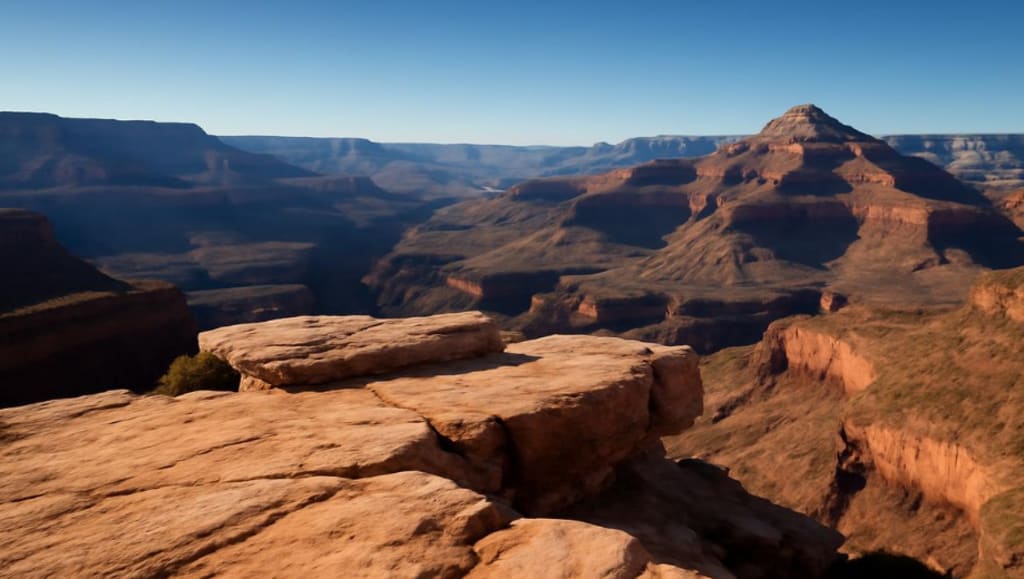
The phrase “eclipse of the century” is not used lightly. Astronomers are already calling the total solar eclipse of August 2, 2027, one of the most remarkable celestial events of our lifetime. What makes this event so extraordinary is its duration: in some locations, totality will last an astonishing six minutes and 23 seconds — an unusually long period for a total solar eclipse.
For skywatchers, photographers, scientists, and travelers alike, this will be a once-in-a-generation opportunity to witness the Moon completely block the Sun, turning day into night and revealing the Sun’s ethereal corona in breathtaking detail.
Here’s when it will happen, why it will last so long, and the best places to watch the event.
When Will the Eclipse of the Century Happen?
The total solar eclipse will occur on August 2, 2027. While partial phases of the eclipse will be visible across parts of Europe, Africa, and the Middle East, the path of totality — where observers can experience complete darkness — will sweep across several key regions.
The eclipse will begin over the Atlantic Ocean, then move eastward across southern Spain, Gibraltar, Morocco, Algeria, Tunisia, Libya, Egypt, Sudan, Saudi Arabia, Yemen, and Somalia before ending over the Indian Ocean.
The point of greatest eclipse — where totality lasts the longest — will occur over parts of Egypt, where observers may experience more than six full minutes of darkness. For comparison, most total solar eclipses last between two and four minutes. Anything exceeding six minutes is exceptionally rare.
Why Will This Eclipse Last So Long?
The extraordinary duration of this eclipse is due to a unique alignment of astronomical factors.
First, Earth will be near aphelion — the point in its orbit farthest from the Sun — meaning the Sun will appear slightly smaller in the sky. At the same time, the Moon will be relatively close to Earth, appearing slightly larger than usual. This combination allows the Moon to cover the Sun more completely and for a longer time.
Additionally, the eclipse path crosses near Earth’s equator, where the rotational speed of the planet contributes to extending the duration of totality. The geometry of the alignment is nearly perfect, maximizing the time the Moon’s shadow remains over specific regions.
Such ideal conditions are rare, which is why this event is already being described as the eclipse of the century.
What Happens During Six Minutes of Darkness?
Experiencing totality is unlike anything else in nature.
As the Moon gradually covers the Sun, daylight dims into an eerie twilight. Temperatures can drop noticeably. Birds grow silent, and nocturnal animals may stir, confused by the sudden darkness.
When totality begins, the sky turns dark enough to reveal stars and planets. The Sun’s corona — its outer atmosphere — becomes visible as a glowing white halo surrounding the black silhouette of the Moon. Solar prominences, appearing as pink arcs along the edge, may also be visible.
With more than six minutes of totality in some areas, observers will have ample time to fully absorb the experience — something many eclipse chasers rarely enjoy. Instead of a fleeting two-minute spectacle, this event allows for prolonged viewing, photography, and scientific observation.
Best Places to Watch the Eclipse of the Century
Choosing the right location is crucial for experiencing the full impact of the event. Clear skies, favorable weather patterns, and positioning within the central path of totality will make all the difference.
1. Egypt — The Prime Viewing Destination
Egypt is expected to offer the longest duration of totality, particularly near Luxor. With typically clear August skies and historically low rainfall, this region provides ideal viewing conditions.
Watching the eclipse near ancient monuments such as the Valley of the Kings or Karnak Temple could make for a truly unforgettable experience — a celestial spectacle above one of humanity’s most historic landscapes.
2. Libya
Parts of eastern Libya will also experience extended totality exceeding six minutes. However, travelers should monitor safety conditions and travel advisories well in advance.
3. Tunisia
Tunisia offers a combination of accessibility and favorable weather. Coastal areas may provide scenic vantage points, though inland desert regions could offer clearer skies.
4. Southern Spain
For European observers, southern Spain — including cities like Cádiz and Málaga — lies within the path of totality. While totality will be shorter here (around four minutes), it remains an excellent and accessible option.
Spain’s infrastructure and tourism capacity make it a practical destination for international visitors.
5. Morocco
Morocco’s desert landscapes offer dramatic backdrops for eclipse viewing. Regions near the Atlas Mountains and Sahara Desert are expected to provide clear skies and stunning scenery.
Planning Tips for the Eclipse
If you are considering traveling to witness the eclipse of the century, preparation is essential.
Book Early: Major eclipses attract thousands of visitors. Hotels and flights in prime locations may sell out years in advance.
Monitor Weather Trends: While historical data can guide you, weather is never guaranteed. Desert regions generally offer the highest probability of clear skies.
Use Proper Eye Protection: Certified solar eclipse glasses are mandatory during all partial phases. Only during totality — when the Sun is completely covered — is it safe to remove eye protection briefly.
Arrive Early: Traffic congestion on eclipse day can be significant. Plan to arrive at your viewing location well in advance.
About the Creator
Keep reading
More stories from Aqib Hussain and writers in The Swamp and other communities.
US House Passes Bill to End Canada Tariffs: A Break from Trump’s Trade Policies
In a significant move signaling a break from former President Donald Trump's trade policies, the US House of Representatives has passed a bill that aims to end the tariffs imposed on Canadian goods. This decision marks a pivotal moment in the trade relationship between the United States and Canada, two of the world's largest trading partners. The bill passed with bipartisan support and represents a significant shift in how the US approaches international trade, especially with its closest neighbor.
By Aqib Hussain3 days ago in The Swamp
Why Black History Matters in America?
The United States of America is celebrating their 250th anniversary in 2026. I'm proud to be an American and as someone who was born here, I wouldn't imagine myself living anywhere else. This is a country where opportunities are possible. Where anyone can be successful in anything they desire to do. Equality, community, and togetherness are the backbones of what America is and should be about. However, we have an administration who wants to erase and disregard those who have made positive, meaningful impacts in our country, specifically Black figures, such as Martin Luther King, Jr., Rosa Parks, and Maya Angelou. President Trump and his administration have been constantly complaining and fighting against what they call the "Woke agenda". They use this excuse as a distraction from other issues they refuse to address, such as the high cost of living, climate change, and inflation. That equality is dividing America, when in reality, it's bringing us together. Being woke is not tied to a specific political party. No matter where you stand on the political spectrum, you can still care about other people and their plights. Compassion and empathy for others isn't tied to a political party, either. We were taught as children to treat others the way we want to be treated and not judge others because they're different from us. Caring about others isn't a personal attack on your beliefs. It doesn't make you any less of a person. People who are easily offended over African American figures, past or present, or anything related to it, are grasping at straws. Current and future generations need to know who people like Harriet Tubman and Shirley Chisholm were, especially in the classroom. Black History is part of American History. It should be recognized, not hidden or forgotten. Besides, you can't shield children from everything, just because your feelings are easily hurt.
By Mark Wesley Pritchard 14 days ago in The Swamp



Comments
There are no comments for this story
Be the first to respond and start the conversation.