
Donald Trump, Wealth, and the D.C. Military Parade: Power on Display or Public Concern?
Examining how Trump’s showcase of military strength in Washington, D.C. reflected wealth, ambition, and stirred public debate

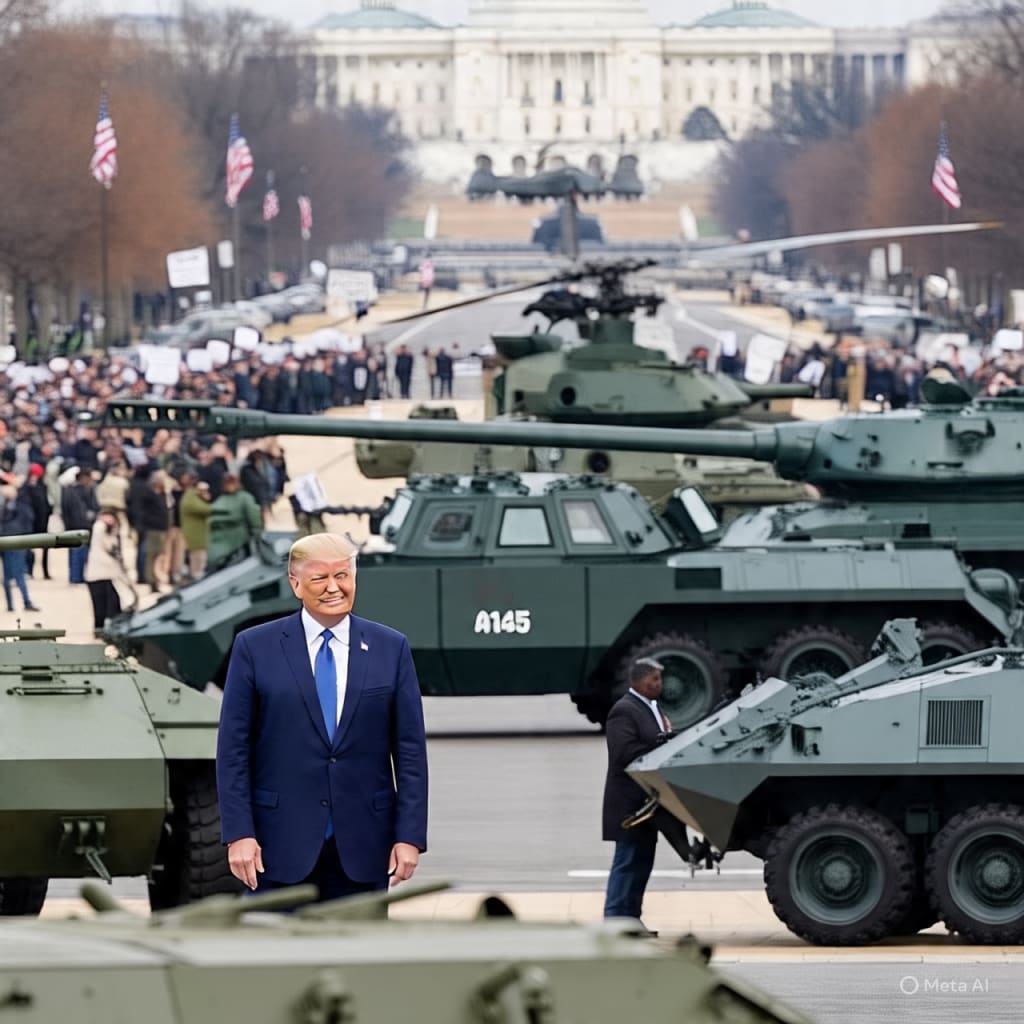
In July 2019, then-President Donald Trump held a military parade in Washington, D.C. to mark America’s Independence Day. While the event was officially named “Salute to America,” it quickly became a national discussion point about power, wealth, and political image. From tanks on the streets to flyovers by fighter jets, the display was both a celebration of military might and a reflection of Trump’s personal vision for America.
The military parade was the first of its kind in recent U.S. history. Normally, Fourth of July celebrations in the capital are filled with concerts and fireworks, but Trump added a new dimension—military hardware. The event sparked comparisons to parades seen in countries like Russia and North Korea, where government leaders often use such displays to show strength and authority. Trump, however, insisted it was about honoring the military and showing pride in the nation.
Yet, the line between celebration and political promotion seemed blurred. Critics argued that the event felt more like a campaign rally than a national holiday. Trump delivered a speech from the Lincoln Memorial, surrounded by military equipment, helicopters, and Air Force jets. Many questioned whether public money should be spent in a way that seemed to benefit one political figure more than the country itself.
The cost of the parade was another major concern. Estimates suggest that the event may have cost over $13 million, including transportation of military equipment and security expenses. Critics claimed that these funds could have been better spent on veterans’ programs, infrastructure, or other pressing needs. Supporters, however, argued that the cost was worth the pride and honor it brought to the military community.
What made the event more controversial was the perception of wealth and elite influence surrounding it. VIP sections were reserved for political allies and wealthy donors. Several news reports highlighted how major Republican supporters received front-row seats, while the general public was kept at a distance. This gave the impression that national pride was being turned into a display for the wealthy and politically connected.
Trump’s own image was central to the parade. Known for his love of grand spectacles, luxury, and branding, the event seemed to reflect his personal style. As a real estate mogul and billionaire, Trump has always embraced the idea of power through wealth. The D.C. military parade gave him a platform to combine both—military strength and personal symbolism—in one event.
Supporters saw the parade as a positive show of patriotism. Military families, veterans, and Trump fans gathered in large numbers. They appreciated the recognition given to soldiers and saw the president as a leader who respected America’s armed forces. The flyovers and tanks were not just for show, in their view—they were symbols of America’s greatness.
On the other hand, opponents viewed the event as a misuse of power and public resources. They raised concerns about the growing link between political branding and national events. Some feared that it could set a precedent where future presidents might use public celebrations for personal political gain. Others felt uncomfortable with the militarization of what has traditionally been a civilian-focused holiday.
The D.C. military parade during Trump’s presidency became more than a one-day event. It opened discussions about the role of military in politics, the influence of wealth in public ceremonies, and how national identity is displayed. It reminded Americans that the symbols of patriotism can carry different meanings depending on who uses them—and for what purpose.
Whether seen as a tribute or a political show, the event marked a turning point in how presidential power and national pride are presented in modern America. Trump’s vision of a bold, strong, and wealthy America was on full display. And while some cheered, others questioned if the parade was truly for the people—or just for the powerful.
Summary:
This article highlights how Donald Trump’s military parade in Washington, D.C. reflected his ideas of power, wealth, and national pride. It also explores the reactions, controversies, and the deeper message behind combining political influence with military displays.
Would you like me to create a cover image or convert this into a Word document as well?
Tools
About the Creator
Saad
I’m Saad. I’m a passionate writer who loves exploring trending news topics, sharing insights, and keeping readers updated on what’s happening around the world.
Nationwide Confirms Who Will Get £175 Bonus in 2026
Nationwide, one of the UK’s largest building societies, has confirmed the details of its £175 bonus for 2026, a financial perk that has attracted considerable attention from savers across the country. With personal finances under scrutiny due to rising living costs, inflation, and interest rate fluctuations, a bonus of this size is significant for many households. Nationwide’s announcement clarifies exactly who is eligible, what the bonus entails, and how members can make the most of it. What the Nationwide Bonus Is The £175 bonus is a reward for members who meet specific criteria set by Nationwide. While bonuses are not unusual in the financial sector, this particular reward stands out due to its substantial amount and accessibility for ordinary account holders. The bonus is not an automatic payment to everyone; instead, it is designed to encourage savings, loyalty, and certain account behaviors that Nationwide considers valuable. According to the building society, the bonus will be credited directly to qualifying accounts in 2026, offering a tangible boost to those who meet the criteria. For savers navigating an era of economic uncertainty, this kind of incentive can make a real difference in household budgets. Who Is Eligible Nationwide has confirmed that the £175 bonus will be available to current account holders who meet the following conditions: Membership Duration: The account must have been open for a minimum period, typically at least six months before the bonus is awarded. Regular Payments: Many bonuses require a minimum monthly payment, such as salary or pension credits, to be deposited into the account. Account Type: Certain account types are eligible while others are excluded. For example, some business or joint accounts may not qualify. Compliance With Terms: Account holders must not have breached the terms and conditions of their account, such as overdraft violations or suspicious activity flags. These criteria ensure that the bonus reaches genuine, active members rather than casual or inactive account holders. Nationwide emphasizes that the bonus is designed as a reward for loyalty and responsible account use. How to Claim the Bonus For most eligible members, claiming the bonus is straightforward. Nationwide has confirmed that qualifying accounts will receive the £175 automatically, without requiring additional applications. However, members are advised to: Check account eligibility: Confirm that your account type and activity meet the bonus requirements. Maintain regular transactions: Continue making standard deposits as required by the bonus scheme. Monitor communications: Nationwide may send notifications about the bonus via email, online banking, or post. Members should note that while the bonus is intended to be automatic, keeping accounts in good standing ensures smooth processing and prevents delays. Why This Bonus Matters The £175 bonus is more than a simple cash reward. In the current economic climate, it serves multiple purposes: Encouraging Savings: By tying the bonus to account activity, Nationwide incentivizes members to maintain regular deposits, promoting healthy financial habits. Rewarding Loyalty: Long-term members are recognized for their continued relationship with the building society. Supporting Household Budgets: For many, a £175 boost can help cover utility bills, groceries, or other essential expenses. With inflation still impacting household finances, small bonuses like this carry more weight than in years past, reinforcing Nationwide’s position as a member-focused institution. How It Compares to Previous Years Nationwide has a history of offering similar bonuses, though amounts and eligibility criteria have varied. Previous bonuses tended to be smaller, often ranging between £50 and £150, depending on account type and activity. The £175 bonus for 2026 represents one of the more generous payouts in recent years, demonstrating the society’s commitment to rewarding members despite economic pressures. Financial commentators have noted that building societies and banks increasingly use bonuses as retention tools. By offering tangible rewards, institutions encourage members to maintain their accounts, increase deposits, and engage more actively with financial products. In the case of Nationwide, this bonus strategy also strengthens the society’s reputation as a customer-centric organization. Tips for Maximizing the Bonus To ensure that you receive the full £175, Nationwide members may consider the following tips: Keep accounts active: Regular deposits and withdrawals help maintain account activity and meet eligibility requirements. Avoid overdrafts or penalties: Negative account behavior can disqualify members from the bonus. Stay informed: Follow Nationwide’s updates via email, mobile app, and online banking to avoid missing any deadlines or notifications. By following these simple steps, members can maximize their chances of receiving the bonus without additional effort. What This Means for UK Savers The announcement of the £175 bonus comes at a critical time. Many households are dealing with rising energy costs, food prices, and inflationary pressures. For savers, bonuses like this provide a welcome boost, and they may also influence how people choose their banking partners. In a competitive banking environment, perks such as bonuses, cashback schemes, and interest rate incentives are increasingly important for retaining members. Nationwide’s £175 bonus could encourage new sign-ups, increase deposits, and even sway account holders from rival banks. Final Thoughts Nationwide’s confirmation of the £175 bonus for 2026 highlights the importance of member rewards in today’s financial landscape. By clearly defining eligibility, automating the process, and promoting financial loyalty, the society is offering a meaningful incentive that benefits both members and the organization. For account holders, the bonus represents not just cash, but recognition of responsible financial behavior and loyalty. With the bonus set to be credited in 2026, now is the time for members to ensure their accounts meet the criteria and remain in good standing. In an era of economic uncertainty, Nationwide’s £175 bonus is more than a reward—it’s a practical gesture that helps members navigate the year ahead while reinforcing the society’s commitment to its community.
By Muhammad Hassanabout 13 hours ago in The Swamp
Miss Persephone's Manual to a Seemingly Ordinary Life
Miss Persephone was found at the dining table, her blue eyes swollen, her tears arriving and retreating like the tides of the ocean. Earlier that day, her family had visited her in the retirement home where she had lived for eight years. It was her eightieth birthday.
By Imola Tóth3 days ago in Fiction


Comments
There are no comments for this story
Be the first to respond and start the conversation.