
Declassified MLK and JFK Files: Unveiling Hidden Truths of History
The newly declassified files on Martin Luther King Jr. and John F. Kennedy, revealing government surveillance, political pressures, and untold insights into their lives, legacies, and the struggles they faced during pivotal moments in history.

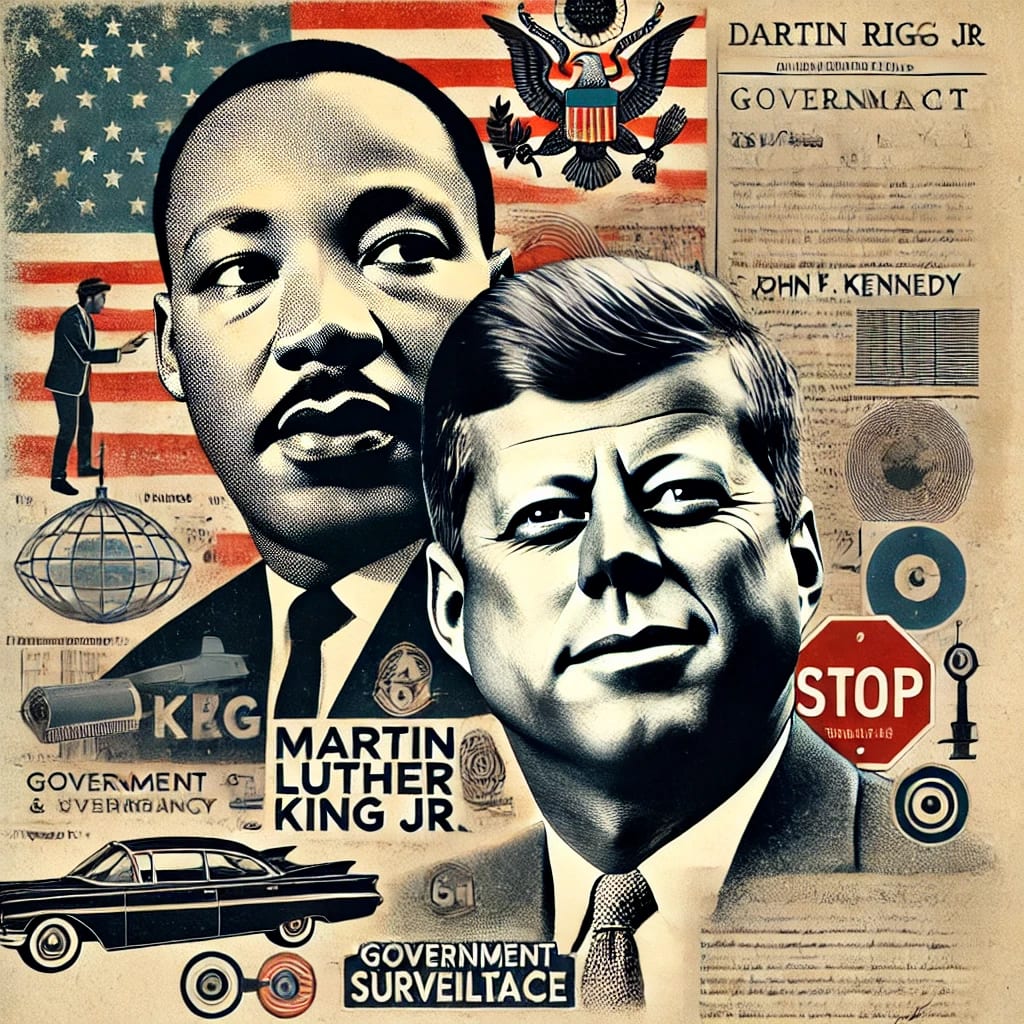
The recent declassification of files related to Dr. Martin Luther King Jr. (MLK) and President John F. Kennedy (JFK) has reignited discussions surrounding their lives, legacies, and the turbulent historical context in which they lived. These newly revealed documents shed light on the surveillance, political pressures, and conspiracies surrounding these iconic figures of American history. The revelations prompt reflection on government overreach, civil rights struggles, and the enduring impact of their leadership.
The Context of Declassification
The release of previously classified files is part of a broader push for transparency in government. Over the years, public pressure and legal mandates, such as the Freedom of Information Act (FOIA), have led to the unveiling of documents that offer new insights into historical events. The files on MLK and JFK come at a time when society is increasingly interested in examining past injustices and the role of government agencies during pivotal moments in history.
For decades, the U.S. government has withheld sensitive information about these two leaders. The declassification process often reveals uncomfortable truths, not only about the individuals under scrutiny but also about the institutions tasked with monitoring them. In this case, both the Federal Bureau of Investigation (FBI) and the Central Intelligence Agency (CIA) play central roles in the narrative.
The MLK Files: Surveillance and Smear Campaigns
Dr. Martin Luther King Jr. is celebrated as a champion of civil rights, but the newly declassified files expose the extent to which he was targeted by the FBI. Under the leadership of J. Edgar Hoover, the Bureau conducted extensive surveillance on MLK, portraying him as a potential threat to national security. The justification for this intrusive monitoring was often rooted in fears of communist influence within the civil rights movement—a prevalent concern during the Cold War era.
The documents reveal how the FBI engaged in a smear campaign against King, attempting to discredit him both personally and professionally. From wiretaps to covert operations, the Bureau aimed to undermine his influence by exploiting his private life. One of the most infamous aspects of this campaign was the sending of an anonymous letter to King, which suggested he should take his own life to avoid public humiliation. This chilling example of governmental abuse underscores the lengths to which agencies went to neutralize dissenting voices.
However, the declassified files also offer a deeper understanding of King’s resilience and leadership. Despite relentless pressure and character attacks, he remained steadfast in his commitment to nonviolence and equality. The revelations highlight not only the systemic challenges he faced but also the extraordinary courage he displayed in confronting them.
The JFK Files: Assassination Theories and CIA Operations
The assassination of President John F. Kennedy on November 22, 1963, remains one of the most debated events in American history. The release of additional documents related to JFK’s presidency and death has reignited speculation about potential conspiracies and the role of intelligence agencies.
Among the newly declassified files are records detailing the CIA’s activities during the Kennedy administration, including covert operations against Cuba and surveillance of political adversaries. These documents suggest that JFK’s policies—particularly his stance on the Cold War and relations with the Soviet Union—made him a polarizing figure within the government. Some speculate that internal dissent within the intelligence community may have contributed to his untimely death.
Additionally, the files provide new details about Lee Harvey Oswald, the man accused of assassinating JFK. Questions about Oswald’s connections to the Soviet Union and Cuba have fueled conspiracy theories for decades. The documents reveal the extent to which U.S. intelligence agencies were aware of Oswald’s activities prior to the assassination, raising concerns about whether more could have been done to prevent the tragedy.
While the declassified files do not conclusively resolve all questions surrounding JFK’s assassination, they offer a more comprehensive picture of the geopolitical tensions and domestic challenges that defined his presidency. They also underscore the limitations of official narratives, reminding us of the complexities inherent in historical analysis.
Parallels and Lessons
The lives and deaths of MLK and JFK are deeply intertwined in the American historical narrative. Both men were champions of change, advocating for justice and equality in an era marked by profound social and political upheaval. The newly declassified files reveal not only the shared challenges they faced but also the broader societal forces that sought to undermine their efforts.
One striking parallel is the role of government surveillance and suppression. In both cases, intelligence agencies acted in ways that exceeded their mandates, prioritizing control over accountability. These actions reflect a broader pattern of governmental overreach during the mid-20th century, as fears of communism and social unrest often led to the erosion of civil liberties.
Another parallel lies in the public’s enduring fascination with their legacies. For many, MLK and JFK symbolize the possibilities of progress and the dangers of challenging entrenched systems of power. The declassified files serve as a reminder of their humanity, revealing the personal and political struggles they endured while pursuing transformative change.
Implications for Today
The revelations from these declassified files have significant implications for contemporary society. They highlight the need for transparency and accountability in government, particularly in the context of surveillance and civil liberties. As debates about privacy and the role of intelligence agencies continue, the experiences of MLK and JFK provide valuable lessons about the dangers of unchecked power.
Furthermore, the files underscore the importance of historical inquiry. By revisiting the past, we gain a deeper understanding of the forces that shape our present and future. The lives of MLK and JFK remind us that progress often comes at great personal cost, but their enduring legacies inspire continued efforts toward justice and equality.
In conclusion
The declassified files related to Martin Luther King Jr. and John F. Kennedy offer a richer, albeit more complicated, view of their lives and the times in which they lived. These documents challenge us to confront uncomfortable truths about our history while reaffirming the enduring relevance of their visions for a better world.
About the Creator
Minecraft APK Download (Android, Pro Unlocked)
Fast free Minecraft APK Download for Android. Get Minecraft Pocket Edition, mods, and the latest version. Enjoy building and exploring in Minecraft PE. NBS Reborn APK.
Keep reading
More stories from Minecraft APK Download (Android, Pro Unlocked) and writers in The Swamp and other communities.
Elon Musk Speaks at Germany’s AfD Campaign Launch Amid Widespread Protests
On January 25, 2025, Elon Musk, the billionaire entrepreneur known for Tesla and SpaceX, surprised many by addressing a rally for Germany’s far-right political party, Alternative für Deutschland (AfD). His appearance, albeit via video link, has sparked significant debate, as thousands of protesters took to the streets in opposition to the party's far-right stance.
By Minecraft APK Download (Android, Pro Unlocked)about a year ago in The Swamp
The Forsyth House Fire
Since 1851, Forsyth House has stood on the corner of Union Street and Gordon Street in the heart of Glasgow. Its iconic, or was... because on Sunday 8th of March, 2026, a fire broke out in a small, seemingly un-named shop in the building and tore all that history down. As I write, the rubble is still unsettled and the street is still blocked off. Central Station is quiet on the upper level, and around 30 small businesses have quite literally gone up in smoke.
By S. A. Crawford3 days ago in The Swamp
FBI Alerts California Law Enforcement to Potential Iranian Drone Threat
Federal authorities alerted California law enforcement that Iran may have explored launching drone attacks against the U.S. West Coast from offshore vessels. The warning came through an FBI intelligence bulletin distributed to law enforcement agencies and highlights concerns that escalating tensions in the Middle East could have broader security implications for the United States.
By Jacqueline Bowser5 days ago in The Swamp
Hottest in the Office
Dear Rafi, You’re very distracting to work around. For the first second I saw you the other day, I thought you were some type of executive. It took a moment to realize no, you were just the new guy, dressed up for the job he wants. Be still, my heart.
By Gabriel Shames6 days ago in Pride




Comments (1)
Fascinating! Great job