
Decision on Manchester-London 'Ghost Train' Was Uninformed, Regulator Admits
“Regulator admits decision on underused Manchester-London service lacked proper data and analysis”
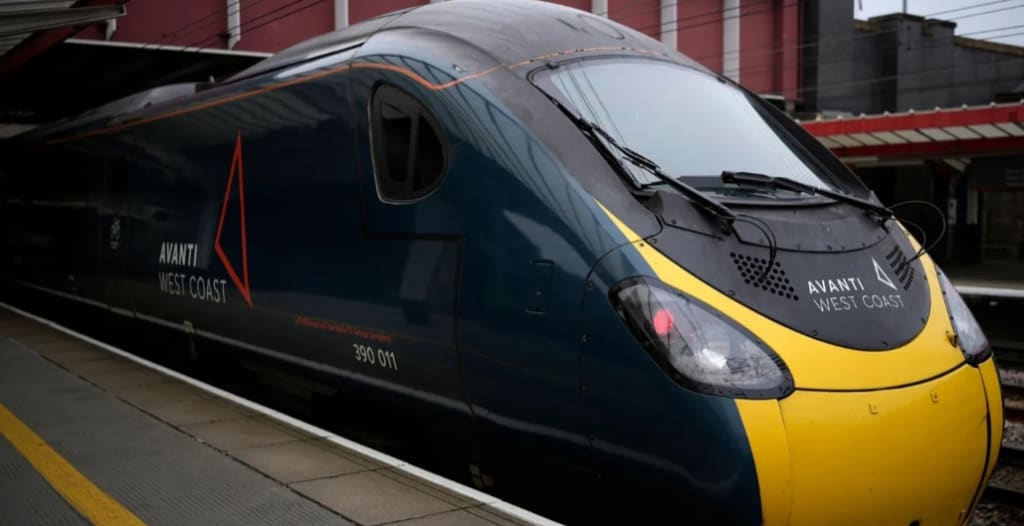
The UK’s transport regulator has admitted that the controversial decision to authorize the Manchester-London “ghost train” service was made without full understanding of the operational and financial implications. The admission has sparked renewed scrutiny over railway oversight, accountability, and the impact on commuters and taxpayers alike.
The so-called “ghost train” refers to a service that runs with very few passengers, primarily to maintain a franchise obligation or avoid regulatory penalties, rather than to meet actual demand.
Background: What Is the ‘Ghost Train’?
The term “ghost train” has long been used to describe underutilized rail services that run for compliance reasons. In this case, the Manchester-London service was introduced as part of a broader rail franchise agreement, but passenger numbers remain exceptionally low.
Critics have highlighted several issues with the service:
Inefficient use of resources: Trains operate largely empty, wasting fuel, staff hours, and operational costs.
Financial strain: The service requires subsidies or public funding to remain viable, raising questions about value for money.
Environmental concerns: Running trains with minimal passengers increases the carbon footprint per traveler, undermining sustainability goals.
The regulator’s admission confirms what many transport experts and local stakeholders had suspected for years: that the decision-making process lacked critical data and analysis.
Regulator’s Admission
In a statement released this week, the UK rail regulator acknowledged:
“Our decision to authorize the Manchester-London service did not sufficiently consider passenger demand, operational efficiency, or long-term financial sustainability. We recognize that the decision was uninformed and will take steps to rectify the oversight.”
The regulator has promised to review existing franchise agreements, ensure better data-driven decision-making in the future, and assess whether the “ghost train” service should continue in its current form.
Impact on Commuters and Local Communities
While passenger numbers on the Manchester-London service are low, the broader implications are significant:
Commuter frustration: Some local passengers who rely on alternative routes face uncertainty and reduced investment in services.
Opportunity costs: Funds spent maintaining ghost trains could be redirected to improve higher-demand routes, station upgrades, or infrastructure modernization.
Local economies: Rail connectivity is crucial for regional business, tourism, and employment; inefficient services can indirectly impact economic growth.
Many residents and transport campaigners have called for a more transparent, demand-driven rail strategy to ensure public money is spent wisely.
Why the Service Was Introduced
The ghost train service was initially mandated to:
Maintain franchise compliance: Rail companies are sometimes required to operate minimal services to meet contractual obligations.
Avoid legal or regulatory penalties: Cancelling the service could have triggered fines or breaches of license agreements.
Preserve rail access: Some argue that even low-demand services maintain network connectivity, preventing communities from losing access entirely.
However, the lack of comprehensive impact assessments and passenger forecasts meant the decision was based on regulatory formalities rather than practical need.
Reactions from Transport Experts
Transport analysts say the regulator’s admission highlights broader systemic issues:
Weak oversight: Decisions on rail operations should be based on clear evidence of demand, cost-efficiency, and public benefit.
Franchise complexity: Rail franchising rules can incentivize unnecessary services to avoid penalties, creating inefficiencies.
Policy reform needed: Experts call for updated guidance, more transparency, and stricter evaluation of passenger demand before authorizing new services.
Dr. Hannah Greene, a transport policy researcher, stated:
“The ghost train problem is not unique to Manchester-London. Across the UK, we see services maintained for regulatory compliance rather than genuine public need. This admission should trigger a comprehensive review of rail franchise governance.”
Political Implications
The revelation has prompted political scrutiny, with opposition MPs calling for accountability:
Value for money: Questions are being raised about taxpayer funding used to sustain largely empty services.
Regulatory competence: The admission undermines public confidence in the regulator’s ability to make informed, evidence-based decisions.
Policy review: Lawmakers are considering whether rail franchise rules need revision to prevent similar inefficiencies in the future.
Transport Secretary officials have indicated that a parliamentary review of franchise agreements may be forthcoming, with a focus on cost-efficiency, sustainability, and passenger-centric planning.
Environmental Concerns
Environmental groups have criticized ghost train operations as a misallocation of resources in the context of the UK’s climate commitments. Running near-empty trains increases per-passenger emissions, counteracting efforts to shift people from cars to public transport.
Sustainability advocates suggest:
Reducing or consolidating low-demand services
Investing in high-frequency, high-demand routes
Implementing energy-efficient trains and green infrastructure
These measures would maximize both environmental and public value.
Next Steps for the Manchester-London Service
The regulator has outlined steps to address the issue:
Data review: Analyze passenger numbers, costs, and environmental impact.
Consultation: Engage with local communities, councils, and transport bodies.
Reform proposals: Recommend changes to franchise agreements or operational rules.
Decision-making transparency: Ensure future services are based on robust evidence and long-term planning.
Transport companies involved in the service have pledged to cooperate with the review and explore adjustments to schedules, capacity, or service levels.
Conclusion
The admission by the UK rail regulator that the Manchester-London ghost train decision was uninformed underscores the need for data-driven, transparent, and accountable transport planning. While ghost trains maintain minimal network connectivity, they also raise concerns about efficiency, public spending, and environmental impact.
Going forward, the regulator, transport companies, and policymakers face pressure to reform rail franchise governance, ensure that services align with actual demand, and deliver better value for passengers and taxpayers alike. For commuters and communities across the UK, the hope is that this review will lead to a smarter, more sustainable rail network where resources are directed to services that truly meet public need.
About the Creator
Keep reading
More stories from Aarif Lashari and writers in The Swamp and other communities.
Here Are the 2026 James Beard Award Semifinalists in San Antonio
San Antonio, Texas, has once again made its mark on the national culinary scene as the 2026 James Beard Award semifinalists were announced. Recognized as one of the most prestigious awards in the culinary world, the James Beard Foundation Awards honor chefs, restaurants, bakers, mixologists, and other food professionals who demonstrate exceptional talent, creativity, and contribution to America’s dining culture.
By Aarif Lashariabout 19 hours ago in The Swamp
Japan Nuclear Agency Worker Loses Phone with Confidential Data in China
In a surprising international security incident, an employee of Japan’s Nuclear Regulation Authority (NRA) lost a work-issued smartphone containing confidential information while in China last year. The loss has triggered concerns over information security practices within Japan’s nuclear watchdog and prompted official reports to domestic privacy authorities. �
By Ayesha Lashari6 days ago in The Swamp



Comments
There are no comments for this story
Be the first to respond and start the conversation.