
Council Moves to Block Holidaymakers Parking Near Airport
New restrictions aim to ease congestion, protect residents, and curb unofficial long-stay parking
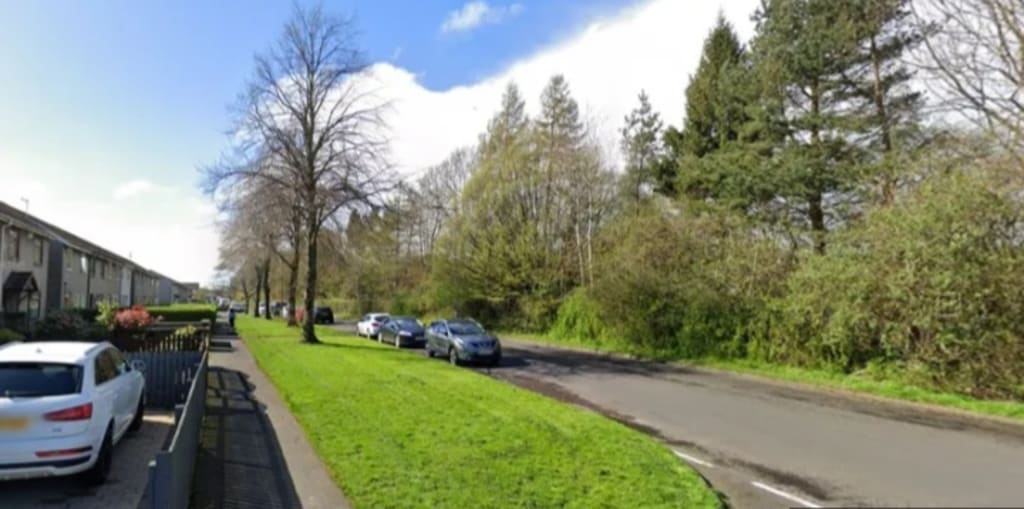
As air travel continues to rebound after years of disruption, airports across the world are once again facing a familiar problem: congestion caused by holidaymakers looking for cheap or free parking. In response, a local council has announced new measures to block tourists from parking near the airport, a move that has sparked debate among residents, travelers, and business owners alike.
The decision comes after months of complaints from people living in neighborhoods surrounding the airport. According to council officials, holidaymakers have increasingly been leaving their vehicles on residential streets for days or even weeks while flying abroad, turning quiet communities into unofficial long-stay car parks.
Rising complaints from residents
Local residents say the situation has steadily worsened, particularly during peak holiday seasons. Streets that were once easily accessible have become overcrowded, making it difficult for residents to park near their own homes. In some cases, emergency vehicles have struggled to pass through narrow roads lined with parked cars on both sides.
Many residents have also raised concerns about safety and cleanliness. Vehicles left unattended for long periods can attract vandalism or theft, while increased foot traffic from travelers dragging suitcases through residential areas has disrupted daily life.
“The streets were never designed for this level of parking,” one resident explained. “We understand people want to save money, but it shouldn’t come at the cost of our quality of life.”
The council’s new measures
In response, the council has approved a package of restrictions aimed at preventing holidaymakers from using residential streets as free airport parking. These measures include extended controlled parking zones, new permit-only areas, and increased enforcement through fines and patrols.
Under the new rules, only residents and their registered visitors will be allowed to park in certain zones for extended periods. Time limits will also be introduced in nearby streets to discourage long-stay parking. Vehicles found in violation could face hefty fines or even towing in repeat cases.
Council leaders argue that the move is not about penalizing travelers, but about restoring balance. “Our responsibility is to protect local communities,” a council spokesperson said. “Residents should not have to compete with holidaymakers for parking outside their own homes.”
Impact on travelers
For holidaymakers, the changes may mean higher travel costs. Many travelers deliberately avoid official airport parking due to its high prices, opting instead for nearby residential streets or unofficial parking services advertised online.
With these new restrictions in place, travelers will be pushed toward official airport car parks, park-and-ride services, or public transport options. While these alternatives are often more secure, they can also be significantly more expensive, especially for long trips.
Some travelers have criticized the council’s decision, calling it unfair and poorly timed amid rising living costs. “Flights are already expensive,” one frequent flyer said. “Now we’re being forced to pay even more just to park.”
Effect on local businesses
The decision could also have mixed consequences for local businesses. On one hand, reduced congestion may improve access for customers and delivery vehicles. On the other, small businesses that quietly benefited from airport traffic—such as local shops or cafés—may see fewer visitors.
There is also concern about the impact on unofficial parking operators who rent out driveways or private land to travelers. While some of these arrangements are legal, others operate in a gray area. The council has stated it will review these practices to ensure they comply with planning and safety regulations.
Environmental considerations
Supporters of the move argue that the restrictions could have positive environmental effects. By discouraging car use and encouraging public transport, the council hopes to reduce traffic congestion and emissions around the airport.
Airports are already under pressure to cut their environmental footprint, and local authorities are increasingly aligning transport policies with climate goals. Improved bus routes, better rail connections, and expanded park-and-ride facilities are being promoted as greener alternatives.
A growing national trend
This council’s action reflects a broader trend seen in many cities near major transport hubs. As travel demand grows, local governments are struggling to balance economic benefits with community wellbeing.
Experts suggest that long-term solutions will require cooperation between councils, airports, and transport providers. Investing in affordable official parking, improving public transport links, and clearly communicating rules to travelers could help prevent similar conflicts in the future.
Conclusion
The council’s move to block holidaymakers from parking near the airport marks a significant shift in how local authorities address the pressures of modern travel. While the decision has been welcomed by residents, it has also raised concerns among travelers facing higher costs and fewer options.
Ultimately, the success of the policy will depend on fair enforcement and the availability of practical alternatives. As airports continue to grow and travel demand rises, the challenge of managing parking without alienating either residents or visitors is likely to remain firmly on the public agenda.
About the Creator
Keep reading
More stories from Ayesha Lashari and writers in The Swamp and other communities.
Company Fined £433,000 After Machine Crash Leaves Worker with Life-Changing Injuries
A packaging firm has been fined a substantial £433,333 after a worker at its Scottish facility suffered a severe skull fracture and permanent life-altering injuries when a heavy machine fell on him in an incident that authorities described as “entirely preventable.” �
By Ayesha Lasharia day ago in The Swamp
Classic Toyota Corolla AE86 Gets Modern Rebirth
The Toyota Corolla AE86, a car synonymous with drifting culture, street racing, and Japanese automotive history, is getting a modern revival. Known for its lightweight design, rear-wheel-drive layout, and agile handling, the AE86 has earned a cult following over the decades. Now, Toyota enthusiasts can rejoice as the company breathes new life into this classic with a modern update, combining timeless design cues with contemporary performance and technology.
By Aarif Lashari4 days ago in The Swamp
The Sunshine Firecracker of Lancaster County: Day 1,043
Date: January 16, 2026 Location: Ephrata, PA To the outside observer, a legal battle is merely a stack of paper: motions, pleadings, and dockets. But to understand Day 1,043 of the injustice in Ephrata—roughly three years since the lights went out at 1368 Apple Street—one must look past the paperwork and examine the physiology of a siege.
By Sunshine Firecracker7 days ago in The Swamp



Comments
There are no comments for this story
Be the first to respond and start the conversation.