
Corporation for Public Broadcasting: What It Is, How It Works, and Why It Matters Today
Find out what the Corporation for Public Broadcasting is and why it matters to all of us.

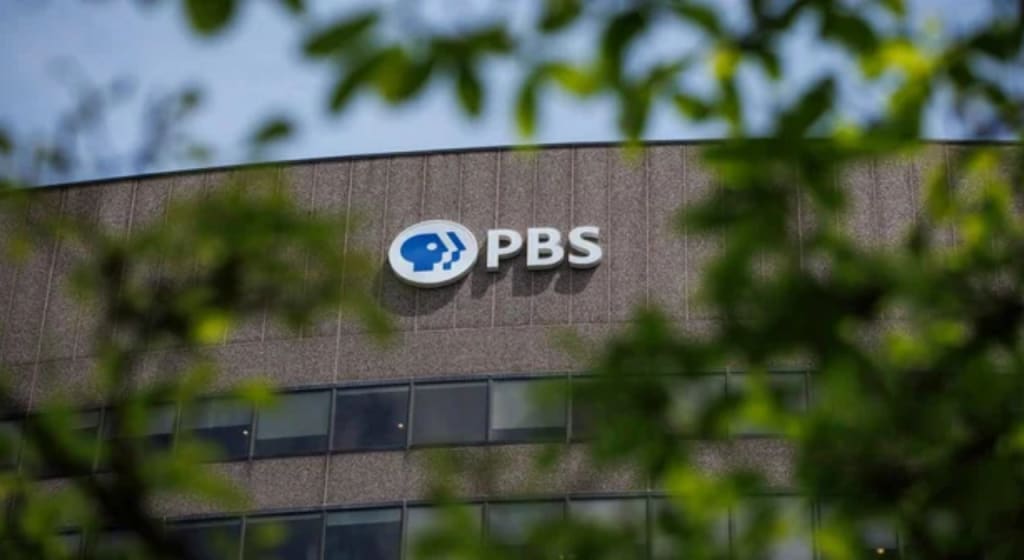
The Corporation for Public Broadcasting (CPB) is an important organization in the United States that supports public media. Many people enjoy watching or listening to shows on public television and radio, but they might not know much about the group that helps make these programs possible. This article will explain what the Corporation for Public Broadcasting is, how it works, and why it continues to play a significant role today.
What Is the Corporation for Public Broadcasting?
The Corporation for Public Broadcasting is a nonprofit organization created by the U.S. Congress in 1967. Its main goal is to fund and support public television and radio stations across the country. These stations produce and broadcast programs that inform, educate, and entertain the public. Unlike commercial TV channels that depend mostly on advertisements, public broadcasting focuses on serving the public interest without the pressure of profit.
CPB does not make shows or run TV and radio stations itself. Instead, it provides money to local public broadcasters, such as PBS (Public Broadcasting Service) and NPR (National Public Radio), which create content for viewers and listeners. This funding helps stations offer quality programming that might not be profitable for commercial stations but is valuable for education, culture, and community awareness.
How Does the Corporation for Public Broadcasting Work?
The Corporation for Public Broadcasting receives funding from the federal government. This funding is then given to public media stations and organizations based on their needs and goals. CPB ensures that the money is used to create programs that benefit the public, like documentaries, news shows, educational content, children’s programming, and cultural shows.
CPB also supports innovation in public media. This means it helps stations use new technology or explore new ways to reach audiences. Even though CPB is funded by the government, it operates independently. This independence helps protect public media from political influence and allows them to focus on facts, fairness, and public service.
Funding Process
Each year, the U.S. government decides how much money will go to CPB. Once CPB receives this money, it distributes it to stations around the country. Stations use these funds to create programs, train staff, and maintain operations. Because of this support, public broadcasting can offer shows that focus on local issues, history, science, and the arts.
CPB also partners with private donors and foundations to increase its funding. This helps public broadcasting stations continue their work even if government support changes.
Why Was the Corporation for Public Broadcasting Created?
Before the creation of CPB, most TV and radio programs were produced by commercial networks. These networks focused on shows that attracted the largest audiences to sell advertising space. While entertaining, many programs did not serve educational or public needs.
In the 1960s, there was growing concern about the lack of quality educational and cultural programs on TV and radio. Lawmakers and citizens wanted a way to provide Americans with programs that would teach, inform, and improve society. The creation of CPB was part of a broader effort to create a public media system separate from commercial interests.
The goal was to make sure all Americans, no matter where they lived or their income, could access programs that taught important subjects, told meaningful stories, and reflected the diversity of the country.
What Kind of Programs Does CPB Support?
The Corporation for Public Broadcasting funds a wide variety of programs. Here are some examples:
- Educational Shows for Children: Programs like "Sesame Street" and "Mister Rogers' Neighborhood" have helped children learn letters, numbers, social skills, and more.
- News and Public Affairs: Shows like "PBS NewsHour" and "NPR News" provide reliable news coverage and thoughtful discussions on current events.
- Documentaries: Many documentary films on history, science, and culture have been funded with the help of CPB.
- Cultural and Arts Programs: Programs about music, dance, theater, and the arts are supported to enrich viewers’ experiences.
- Local Content: CPB funding helps local stations create programs that focus on regional history, issues, and communities.
By supporting such diverse content, CPB helps meet the educational, cultural, and informational needs of many different audiences.
Why Does the Corporation for Public Broadcasting Matter Today?
Even today, the role of CPB remains important. Here’s why:
Providing Access to Quality Content
Not everyone has access to paid cable or streaming services. Public broadcasting is often free to watch or listen to and available in almost every community. This makes it a valuable source of information and education, especially for people who cannot afford other options.
Supporting Local Communities
Many public stations use CPB funding to produce local news and programs. This helps communities stay informed about issues that affect them directly, such as local government, schools, and public health.
Offering Reliable News
In times when misinformation can spread quickly, trusted news sources are more important than ever. Public broadcasters are known for fair and accurate reporting, free from commercial pressures. This builds trust with viewers and listeners.
Encouraging Learning and Curiosity
Public broadcasting creates programs that inspire people of all ages to learn more about the world. Whether through science shows, historical documentaries, or arts performances, CPB-supported media helps keep learning alive outside of the classroom.
Protecting Public Media Independence
CPB operates independently from political influence, which helps maintain the credibility and fairness of public media. This independence supports the idea that media should serve the public interest rather than specific commercial or political goals.
Challenges Facing the Corporation for Public Broadcasting
Like any public institution, CPB faces challenges. Budget debates in the government sometimes put funding at risk. Some critics argue about whether public money should support media. CPB must also keep up with changes in how people watch and listen to media. Many younger people now use the internet and smartphones more than traditional TV or radio.
CPB and public broadcasters are working to reach new audiences through websites, apps, and podcasts. This helps ensure that public media remains relevant and accessible to future generations.
How Can You Support Public Broadcasting?
Supporting public broadcasting can be as simple as watching or listening to programs on your local public TV or radio station. Many stations also accept donations from viewers and listeners. By contributing, you help keep public media available and strong.
You can also spread the word about the value of public broadcasting. Sharing shows you like or encouraging others to tune in helps build a larger audience and shows support for quality programming.
Conclusion
The Corporation for Public Broadcasting is a key part of the media landscape in the United States. It supports programs that educate, inform, and entertain millions of people every day. By funding public television and radio stations, CPB helps provide content that serves the public good rather than commercial interests.
In a world with many entertainment options, public broadcasting remains a trusted source for news, education, and culture. Its mission to offer quality content free from commercial pressures makes it an important resource for all Americans.
As media continues to change, the Corporation for Public Broadcasting will continue to play a vital role in supporting programs that connect communities, promote learning, and keep viewers informed. This makes CPB an organization that truly matters today and in the years to come.
About the Creator
The Forsyth House Fire
Since 1851, Forsyth House has stood on the corner of Union Street and Gordon Street in the heart of Glasgow. Its iconic, or was... because on Sunday 8th of March, 2026, a fire broke out in a small, seemingly un-named shop in the building and tore all that history down. As I write, the rubble is still unsettled and the street is still blocked off. Central Station is quiet on the upper level, and around 30 small businesses have quite literally gone up in smoke.
By S. A. Crawford3 days ago in The Swamp
Why Didn't Anyone Tell Us
Men, move along. This is not for you. This is for the women. I was forty-five when I began menopause. It is pretty young for that to be going on in a woman’s life, but I had undiagnosed PCOS, my entire life. Thank you to all the gynecologists I had seen my entire life. That in itself should encourage women to keep seeking second opinions, especially when you are not getting correct answers or any at all.
By Alexandra Grant6 days ago in Humans


Comments
There are no comments for this story
Be the first to respond and start the conversation.