
China Warns Foreign Media in Hong Kong Over Fire Coverage — A New Pressure Point on Press Freedom
How Beijing’s warning to international reporters after the Hong Kong fire is raising fresh questions about press freedom and government accountability.

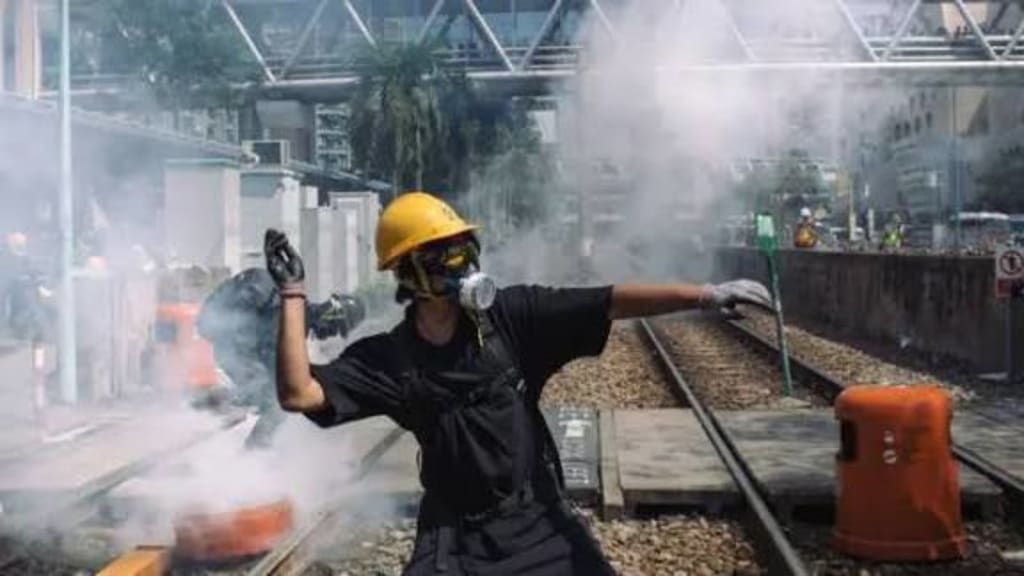
The tragic fire that ravaged a high-rise residential complex in Hong Kong has deeply shaken the city. As grief and anger spread among residents, authorities took a surprising step: they summoned multiple foreign media outlets and issued a stern warning — urging them not to “spread false information” about the disaster or “smear” the government’s response.
This act marks a tense moment for press freedom in Hong Kong, spotlighting how disasters can quickly become political flashpoints. For readers concerned with journalism, government transparency, and human rights — this story matters.
What Happened — A Deadly Fire and a Sharp Reaction
On November 26, 2025, a fire broke out at Wang Fuk Court — a large residential housing estate in Hong Kong’s Tai Po district. What began as a tragic accident quickly turned into the city’s deadliest fire in decades. Officials now report at least 159 people killed, with hundreds more affected.
The blaze not only exposed severe lapses in building safety regulations — including the use of strongly flammable renovation materials — but also ignited public anger. Many residents and activists demanded accountability, and residents questioned how safety had been overlooked.
As pressure mounted and calls for investigations grew louder, the government responded — not with more transparency, but with a warning. Authorities summoned foreign journalists and media outlets, warning them against spreading ‘false information’ or undermining the relief and recovery efforts.
What the Government Said — National Security, Stability, and Media Responsibility
The warnings came from the Office for Safeguarding National Security (OSNS), a body established under the sweeping 2020 national security law. OSNS accused foreign media of reporting in ways that “disregard facts,” spread misinformation, and risked interfering with the upcoming legislative election in Hong Kong.
In its statement, the government urged foreign journalists to abide by the law, maintain objectivity, and avoid “fabricating or disseminating false information.”
Authorities also framed the fire’s aftermath as a matter of social stability — implying that critical media coverage could undermine unity and sow public unrest, especially during a politically sensitive period.
Why It Matters — Press Freedom Under Pressure
This is the first time foreign media in Hong Kong have been collectively summoned and publicly warned for their coverage of a specific event.
For many, this move signals a further tightening of media control under the national security framework. Since 2020, press freedoms in Hong Kong have already narrowed dramatically — with critical outlets shuttered, dissenting journalists detained, and independent coverage increasingly constrained.
The fire tragedy and the official warning have combined to create a chilling effect: media organizations and journalists covering the aftermath may now self-censor out of fear — potentially limiting access to important information for the public.
Impact on Hong Kong’s Residents and the International Community
The people most affected by the fire — the victims and their families — are still seeking answers, closure, and justice. Many are calling for a full, independent investigation into the cause of the fire, building safety regulations, and accountability for those involved in the renovation.
But with media coverage under pressure, the spotlight on those demands may dim. Without transparent, independent reporting, it may be harder for victims to get their voices heard — or for oversight to deliver real changes.
Internationally, the warning to foreign media raises concern among press freedom advocates and watchdogs. It casts doubt on whether Hong Kong remains a place where journalists can report freely. For global media covering the city, this represents a serious risk to their operations and safety.
A Broader Pattern — From Disaster to Control
Observers see the move as part of a broader pattern: crises and tragedies are being used as opportunities to reinforce state control over information. Some experts argue that by framing criticism or independent reporting as potential threats to national stability, the government leverages disasters to tighten media and civic space.
In this context, the fire at Wang Fuk Court becomes not just a public safety failure — but a symbol of how far authorities will go to manage public narrative.
What’s Next — Transparency, Justice, or Silence?
An independent inquiry into the fire has been announced — but many remain skeptical about its scope and whether it will deliver real justice. Meanwhile, the government insists that it is committed to rebuilding and supporting victims.
The world will be watching — but facing this new media warning, journalists and media outlets in Hong Kong may find their ability to report freely under threat.
For international readers, this story is a stark reminder of how disasters can quickly become political events — and of the importance of defending press freedom even in the darkest moments.
About the Creator
Fiaz Ahmed
I am Fiaz Ahmed. I am a passionate writer. I love covering trending topics and breaking news. With a sharp eye for what’s happening around the world, and crafts timely and engaging stories that keep readers informed and updated.
Keep reading
More stories from Fiaz Ahmed and writers in The Swamp and other communities.
The EuroMillions Jackpot: Why This Lottery Continues to Capture Europe’s Imagination
Every week, millions of people across Europe tune in with a mix of hope, nerves, and excitement as the EuroMillions jackpot climbs higher. Whether it reaches £30 million or crosses the £100 million mark, one thing is certain—no other lottery in the region generates as much buzz. The EuroMillions jackpot is more than just a prize; it has become a cultural moment that brings people together, fuels dreams, and occasionally changes lives overnight.
By Fiaz Ahmed 2 months ago in The Swamp
Miss Persephone's Manual to a Seemingly Ordinary Life
Miss Persephone was found at the dining table, her blue eyes swollen, her tears arriving and retreating like the tides of the ocean. Earlier that day, her family had visited her in the retirement home where she had lived for eight years. It was her eightieth birthday.
By Imola Tóth3 days ago in Fiction


Comments
There are no comments for this story
Be the first to respond and start the conversation.