
ChatGPT Sets Silver Price for February 28, 2026
shifts in inflation expectations, interest rates, and industrial demand shape a cautiously optimistic outlook for silver.
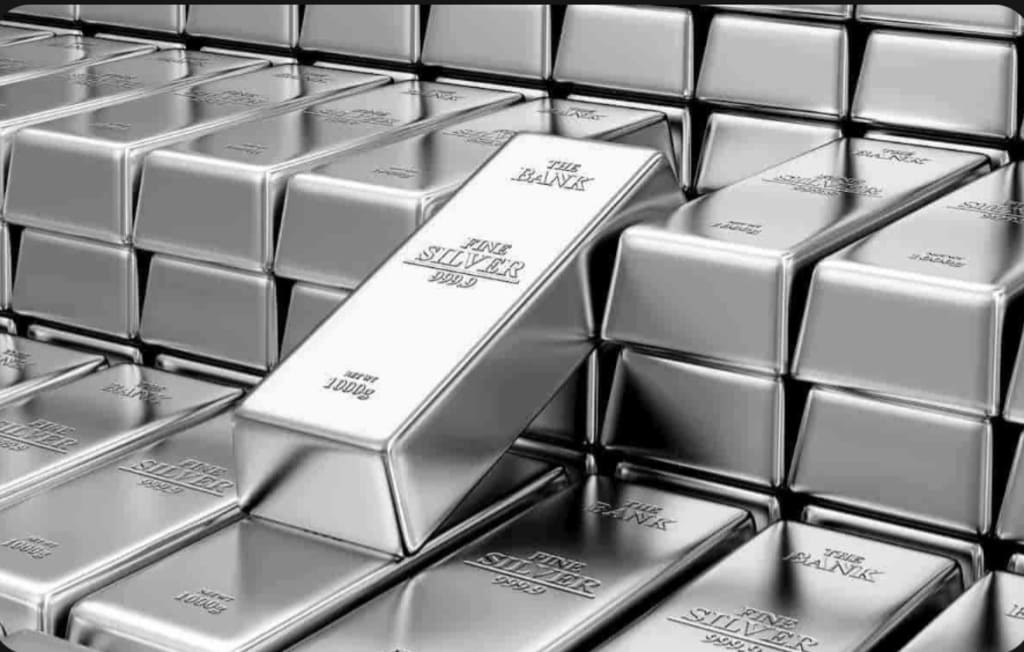
Silver has always lived a double life. It is both a precious metal prized by investors in uncertain times and a critical industrial input powering modern technologies, from solar panels to electric vehicles. As February 28, 2026 approaches, market participants are increasingly focused on where silver prices might land amid a changing global economic backdrop. Based on prevailing macroeconomic trends, supply-demand dynamics, and historical behavior, ChatGPT projects that silver is likely to trade in the range of $28 to $32 per ounce by February 28, 2026, with a midpoint target near $30 per ounce.
This projection is not a prediction carved in stone, but a reasoned outlook shaped by the forces currently influencing the metal’s trajectory.
The Macro Backdrop: Rates, Inflation, and the Dollar
One of the most important drivers of silver prices over the past decade has been global monetary policy. By early 2026, most major central banks are expected to be well past the peak of their tightening cycles. While interest rates may not fall dramatically, the era of aggressive hikes appears largely over. This matters for silver because lower or stable rates tend to reduce the opportunity cost of holding non-yielding assets such as precious metals.
Inflation, meanwhile, is projected to remain above pre-pandemic averages in many economies, even if it cools from recent highs. Persistent, “sticky” inflation keeps silver relevant as a hedge, especially for investors who see it as a more affordable alternative to gold. A moderately weaker US dollar — another plausible scenario if rate differentials narrow — would further support silver prices, as the metal is typically priced in dollars and becomes cheaper for non-US buyers when the greenback softens.
Industrial Demand: The Quiet Power Behind Silver
Unlike gold, more than half of silver demand comes from industrial uses, and this side of the equation is expected to strengthen further into 2026. The global energy transition remains a powerful tailwind. Solar photovoltaic production, which relies heavily on silver for conductive paste, continues to expand as governments push renewable targets and utilities invest in clean energy capacity.
Electric vehicles, 5G infrastructure, and advanced electronics also require silver for its superior conductivity. While manufacturers are constantly looking for ways to thrift silver usage, overall volumes are still rising. By February 2026, industrial demand is likely to be one of the strongest pillars under silver prices, helping to prevent sharp downside even if investment demand fluctuates.
Supply Constraints and Mining Challenges
On the supply side, silver faces a structurally tight outlook. Most silver is produced as a byproduct of mining for other metals such as copper, zinc, and lead. This means that higher silver prices alone do not automatically translate into increased production. New primary silver projects are relatively scarce, and existing mines face challenges ranging from declining ore grades to stricter environmental regulations.
While recycling contributes meaningfully to supply, it is unlikely to offset the growing demand from both industry and investors. These constraints support the idea that silver prices in early 2026 will remain elevated compared with long-term historical averages.
Investment Sentiment and the Gold–Silver Relationship
Investor psychology plays a decisive role in silver’s shorter-term moves. Historically, silver tends to outperform gold during bullish precious-metal cycles, though it also experiences sharper corrections. If gold remains firm or pushes higher into 2026 — supported by geopolitical uncertainty or central bank buying — silver could benefit disproportionately.
The gold-to-silver ratio, a closely watched metric, has already retreated from extreme levels seen in earlier years. A continued normalization of this ratio would imply stronger relative gains for silver. Under such conditions, a move toward the upper end of the $28–$32 range by late February 2026 would be plausible.
Risks to the Outlook
Despite the broadly constructive picture, risks remain. A stronger-than-expected global economic slowdown could dent industrial demand, particularly from manufacturing and electronics. Similarly, if inflation falls faster than anticipated and real interest rates rise, investor appetite for precious metals could cool.
Volatility is another constant companion of silver. Short-term price swings driven by speculative positioning or sudden shifts in sentiment should be expected. For this reason, the February 28, 2026 price level may briefly overshoot or undershoot the projected range before stabilizing.
What the February 28, 2026 Price Could Signal
If silver is indeed trading around $30 per ounce by late February 2026, it would signal a market that has successfully balanced competing forces. Such a level would reflect confidence in long-term industrial demand, cautious optimism about inflation hedging, and recognition of constrained supply — without implying runaway speculation.
For investors, this price zone would suggest that silver has matured into a more structurally supported asset rather than a purely cyclical trade. For industrial users, it would reinforce the importance of efficiency and recycling as input costs remain elevated.
A Measured Outlook
In setting a silver price outlook for February 28, 2026, the key takeaway is balance. The metal is unlikely to return to the extreme lows of past decades, but neither is it guaranteed a dramatic surge absent a major economic shock. A trading range centered around $30 per ounce captures the current equilibrium between macroeconomic uncertainty, industrial necessity, and investor interest.
As always with silver, the journey to that date may be bumpy — but the underlying fundamentals suggest the metal will remain firmly in focus as 2026 unfolds.
About the Creator
Keep reading
More stories from Sadaqat Ali and writers in The Swamp and other communities.
Google Employees Send Open Letter to Company’s Top Executives, Citing Concerns Across U.S. Cities
In an unusual and highly visible move, a group of Google employees has sent an open letter to the company’s top executives, declaring, “We are speaking up today as Googlers” to express growing concerns about conditions in cities across America and the role one of the world’s most powerful technology companies plays in shaping society. The letter, which has circulated widely within and beyond the company, reflects a broader trend of employee activism in Silicon Valley, where workers are increasingly willing to challenge leadership on ethical, social, and political issues.
By Sadaqat Alia day ago in The Swamp
Why Black History Matters in America?
The United States of America is celebrating their 250th anniversary in 2026. I'm proud to be an American and as someone who was born here, I wouldn't imagine myself living anywhere else. This is a country where opportunities are possible. Where anyone can be successful in anything they desire to do. Equality, community, and togetherness are the backbones of what America is and should be about. However, we have an administration who wants to erase and disregard those who have made positive, meaningful impacts in our country, specifically Black figures, such as Martin Luther King, Jr., Rosa Parks, and Maya Angelou. President Trump and his administration have been constantly complaining and fighting against what they call the "Woke agenda". They use this excuse as a distraction from other issues they refuse to address, such as the high cost of living, climate change, and inflation. That equality is dividing America, when in reality, it's bringing us together. Being woke is not tied to a specific political party. No matter where you stand on the political spectrum, you can still care about other people and their plights. Compassion and empathy for others isn't tied to a political party, either. We were taught as children to treat others the way we want to be treated and not judge others because they're different from us. Caring about others isn't a personal attack on your beliefs. It doesn't make you any less of a person. People who are easily offended over African American figures, past or present, or anything related to it, are grasping at straws. Current and future generations need to know who people like Harriet Tubman and Shirley Chisholm were, especially in the classroom. Black History is part of American History. It should be recognized, not hidden or forgotten. Besides, you can't shield children from everything, just because your feelings are easily hurt.
By Mark Wesley Pritchard 7 days ago in The Swamp
Japan’s record-breaking snowfalls – in pictures
Japan is enduring one of its harshest winters in decades as record-breaking snowfall blankets large parts of the country, creating scenes of striking beauty while causing serious disruption to daily life. From the snow-laden rooftops of rural villages to frozen city streets, images captured across the nation reveal both the power of nature and the resilience of communities facing extreme weather. Meteorological authorities confirmed that snowfall levels in several northern and western prefectures have surpassed historical records, with some regions receiving more than three meters of snow in less than a week. The most heavily affected areas include Niigata, Toyama, Fukui, and parts of Hokkaido, where persistent storms driven by cold Siberian air masses have combined with moisture from the Sea of Japan to produce relentless downpours of snow. Photographs from these regions show entire neighborhoods transformed into narrow corridors between towering snowbanks. Cars are buried almost completely, and only the tops of road signs and fences remain visible. In mountain towns, residents have been forced to carve tunnels through snow just to reach shops and medical facilities. Daily Life Under Heavy Snow In cities such as Niigata and Kanazawa, commuters struggled to navigate icy pavements and snow-clogged streets. Rail services were delayed or suspended as crews worked around the clock to clear tracks. Airports in northern Japan reported dozens of flight cancellations due to reduced visibility and hazardous runway conditions. Rural communities faced even greater challenges. Several villages were temporarily isolated after mountain roads became impassable. Local governments dispatched emergency teams to deliver food, fuel, and medical supplies to residents cut off by the storms. One widely shared photograph shows elderly residents working together to shovel snow from the roof of a traditional wooden house. Authorities have warned that clearing rooftops is particularly dangerous due to the risk of falls and collapsing structures, yet many households have little choice as the weight of snow threatens buildings. Schools in affected areas closed for several days, while local councils urged people to avoid unnecessary travel. Emergency shelters were prepared for those experiencing power outages or heating failures during the coldest nights. Infrastructure Under Strain Japan’s infrastructure, known for its preparedness against natural disasters, has been tested by the sheer volume of snow. Specialized snow-clearing trains were deployed to keep key rail lines operational. Highway maintenance crews worked in rotating shifts to reopen major routes and prevent accidents. Power companies reported scattered outages after snow-laden tree branches fell onto transmission lines. Hospitals and care facilities implemented contingency plans to ensure staff could reach work safely, sometimes arranging overnight accommodation for essential personnel. Images from the storms highlight the scale of the response: convoys of snowplows pushing through blizzard conditions, soldiers assisting residents with snow removal, and volunteers distributing hot drinks to stranded travelers. Beauty Amid Hardship Despite the disruption, the snowfall has produced scenes of extraordinary beauty that have captivated photographers and social media users worldwide. Iconic temples and shrines appear draped in white, while historic villages such as Shirakawa-go resemble winter postcards with steep-roofed houses crowned by thick layers of snow. In Kyoto and Kanazawa, tourists gathered to photograph snow-covered torii gates and lantern-lit streets glowing softly through falling flakes. Hot spring resorts framed by icy trees became symbols of calm amid the chaos. Ski resorts reported exceptional conditions, with fresh powder drawing winter sports enthusiasts from across the country. However, resort operators warned visitors about avalanche risks and urged strict adherence to safety guidelines. “These images show both sides of winter,” said a Tokyo-based photographer whose work documenting the storms spread widely online. “There is beauty, but also struggle. Each photo represents people trying to live their lives in extreme conditions.” Climate and Weather Patterns Meteorologists explained that the record snowfall was driven by a powerful cold front from Siberia interacting with warm, moisture-rich air over the Sea of Japan. This created repeated snow bands that stalled over the same regions for days. Climate scientists note that while heavy snowfall is common in parts of Japan, the intensity and persistence of this year’s storms raise questions about changing weather patterns. Warmer oceans can hold more moisture, increasing the potential for heavy precipitation when cold air systems arrive. “Climate change does not simply mean warmer winters,” said a climate researcher. “It also increases the likelihood of extreme events. When cold air meets higher moisture levels, snowfall can become more intense.” Human Stories of Resilience Among the most compelling images are those showing community spirit. Volunteers helped elderly neighbors clear paths to their homes. Shopkeepers used heaters and hot water to keep entrances open. Children turned snow-covered schoolyards into playgrounds during brief breaks from the storms. One resident in Toyama described waking to find his front door blocked by nearly two meters of snow. “It looked beautiful from the window,” he said. “But then I realized I couldn’t even step outside.” Local authorities launched safety campaigns urging residents to wear protective helmets when clearing snow and to work in pairs whenever possible. Looking Ahead Forecasters warned that further snowfall could occur in the coming days, although temperatures are expected to rise gradually later in the week. The melting snow, combined with rain, could raise the risk of flooding and landslides in vulnerable areas. For now, Japan remains under the grip of a winter that will likely be remembered for its severity. The images captured during these storms serve as a powerful visual record of nature’s force and the human capacity to adapt. As cameras continue to document snow-covered streets, temples, and villages, they tell a story not only of record-breaking weather but also of endurance, cooperation, and the fragile balance between beauty and danger in one of the world’s most winter-hardened nations.
By Fiaz Ahmed Brohi4 days ago in The Swamp
The Angry Man in Your House
"If you grow up with an angry man in your house, there will always be an angry man in your house" This statement has caused plenty of controversy online, people say its a statement that blames victims while also undermining those who break traumatic cycles to form health relationships... but if I'm honest now that I'm in my 30s it makes more sense to me than ever, and I'd argue that its not just about fathers and uncles.
By S. A. Crawforda day ago in Humans



Comments
There are no comments for this story
Be the first to respond and start the conversation.