
Can Trump Fire Powell
Can Trump Fire Powell? What You Need to Know About the Debate Over the Fed Chair’s Job
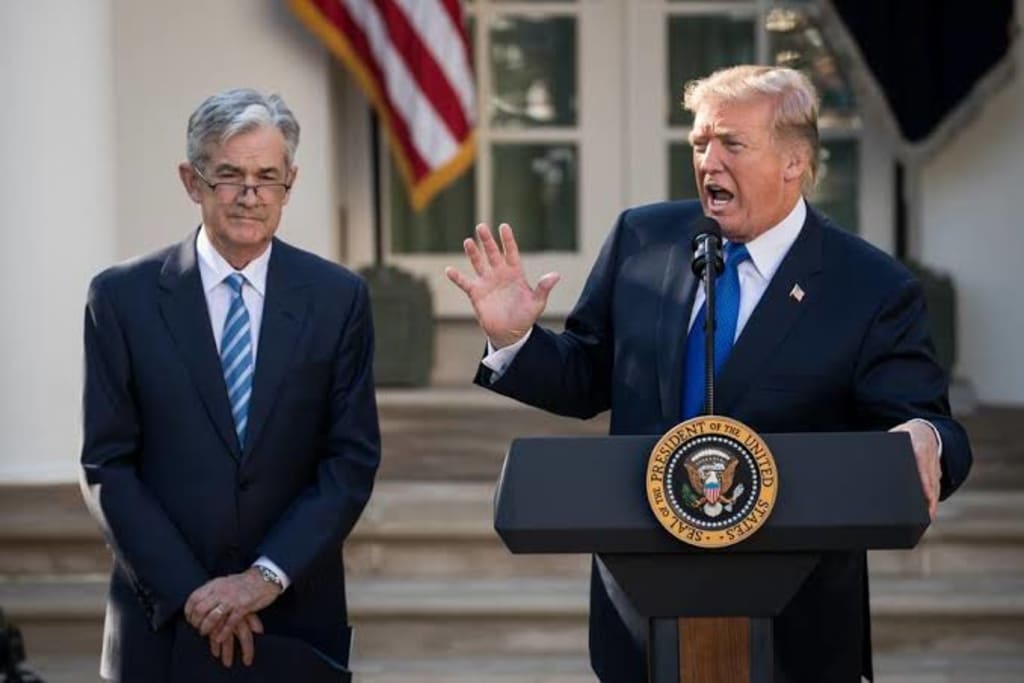
If you’ve been following the news lately, you might be asking: Can Trump fire Powell? The question has sparked heated debates, legal arguments, and even worries about the economy. With former President Donald Trump back in the headlines in 2025, rumors are swirling about whether he’ll try to remove Jerome Powell as Chair of the Federal Reserve. But is that even possible? Let’s break it down in plain English—no jargon, just the facts.
Why Is Everyone Talking About Trump and Powell?
To understand why “Can Trump fire Powell?” is such a big deal, we need to rewind a bit. Jerome Powell was first appointed as Fed Chair in 2018 by Trump himself. But their relationship soured quickly. Trump publicly criticized Powell for raising interest rates, blaming him for slowing economic growth. Fast-forward to 2025, and Trump is once again in a position of political influence. With the economy facing new challenges, the question of whether he can oust Powell has resurfaced.
But here’s the catch: The Federal Reserve is supposed to operate independently from political pressure. Its job is to stabilize the economy, control inflation, and keep unemployment low—not to please presidents. So, if Trump tries to fire Powell, it could set off a constitutional crisis, shake investor confidence, and even hurt everyday Americans’ wallets.
Can a President Actually Fire the Fed Chair? Let’s Look at the Law
The short answer: It’s complicated.
The Federal Reserve Act, which created the Fed, says a Fed Chair can only be removed “for cause.” That means the president can’t just wake up one day and decide to fire them because of a policy disagreement. There needs to be a solid reason, like misconduct or failing to do their job.
But here’s where it gets messy. The law doesn’t clearly define what “for cause” means. Legal experts are split. Some argue a president *could* try to remove a Fed Chair if they claim the Chair is mismanaging the economy. Others say that’s a stretch—policy disagreements don’t count as “cause.”
During Trump’s first term, his advisors reportedly looked into whether he could fire Powell. They backed off after concluding it would likely lead to a messy court battle. Now, in 2025, the same questions are popping up again.
What Happened in 2025? The Latest Drama
According to reports from CNN and The New York Times, Trump’s team has been quietly discussing options for replacing Powell. The economy is in a tricky spot—inflation is rising, job growth is slowing, and the Fed has been hesitant to cut interest rates. Trump, who prefers low rates to boost markets, has reportedly grown frustrated with Powell’s cautious approach.
But here’s the twist: Powell’s term as Fed Chair doesn’t end until 2026. Even if Trump wins the 2024 election, he’d have to wait until 2026 to replace Powell *without* a fight—unless he tries to remove him earlier. And that’s where the legal risks come in.
Why Trump Might Want to Fire Powell
Let’s be honest: Trump and Powell have never been best friends. Here’s why Trump might push for Powell’s removal:
1. Interest Rates: Trump loves low rates. They make borrowing cheaper, boost stock markets, and make the economy look strong. Powell, however, has focused on fighting inflation, even if it means keeping rates higher.
2. Control: Trump has often criticized institutions that don’t align with his views. An independent Fed doesn’t fit his style of direct control.
3. Legacy: With the 2024 election over, Trump may want a Fed Chair who’ll help him cement his economic legacy.
But firing Powell over these reasons would likely be seen as political, not “for cause.” That’s a problem.
What’s Stopping Trump? The Risks of Firing Powell
Even if Trump tries to fire Powell, he’d face major roadblocks:
- Legal Challenges: Courts would have to decide if “policy differences” qualify as “cause.” This could take months or years.
- Market Panic: Investors hate uncertainty. If Trump fires Powell, stock markets could nosedive, and the dollar might weaken.
- Fed Independence: The Fed’s credibility relies on its independence. Politicizing it could hurt its ability to manage future crises.
Even some of Trump’s allies warn against this move. “It’s a nuclear option,” one GOP strategist told The New York Times. “The fallout would hurt everyone.”
What Happens If Powell Is Fired?
Imagine this: Trump fires Powell, appoints a loyalist, and the Fed starts slashing rates. Sounds good for the economy, right? Not so fast.
- Inflation Could Spike: Lower rates might overheat the economy, pushing prices even higher.
- Investors Could Flee: If the Fed looks like a political puppet, foreign investors might ditch U.S. bonds and stocks.
- The Dollar Could Tank: A weaker Fed could mean a weaker dollar, making imports more expensive.
Plus, the next Fed Chair would face constant scrutiny. Every decision would be seen as politically motivated.
Could Powell Fight Back?
Absolutely. If Trump tries to remove him, Powell could sue the administration, arguing his dismissal was unlawful. The case would go all the way to the Supreme Court. Meanwhile, the Fed would be stuck in limbo, and the economy could suffer.
Legal experts say Powell’s chances of winning would depend on how the courts interpret “for cause.” But there’s no guarantee—this is uncharted territory.
What Do Americans Think?
Opinions are split. Some argue the Fed should be accountable to voters. Others fear politicizing it would repeat mistakes from countries like Turkey, where presidential interference caused economic chaos.
“The Fed isn’t perfect, but independence matters,” said Janet Yellen, former Fed Chair and Treasury Secretary. “Once you lose that, it’s hard to get back.”
The Bottom Line: Can Trump Fire Powell?
Technically, maybe. Practically, it’s a terrible idea.
The law is fuzzy, but the risks are clear. Firing Powell could backfire, hurting the economy and Trump’s own goals. Plus, it would set a dangerous precedent. Future presidents might remove Fed Chairs every time they dislike a decision, turning the Fed into a political weapon.
So, while Trump might have a legal pathway to fire Powell, the real question is: Should he? Most experts agree the answer is no.
What’s Next?
For now, Powell remains Fed Chair. But if Trump keeps pushing, this debate won’t go away. Here’s what to watch:
1. Legal Opinions: Will the Justice Department back Trump if he tries to remove Powell?
2. Market Reactions: How will investors respond to the drama?
3. 2026 Deadline: If Trump waits, he can replace Powell in 2026 without a fight.
One thing’s for sure: The “Can Trump fire Powell?” question isn’t just about two men—it’s about the future of American economic policy.
Final Thoughts
The Federal Reserve isn’t perfect, but its independence has helped the U.S. navigate recessions, inflation, and global crises. Removing a Fed Chair over political disagreements could undermine that system—and ordinary Americans could pay the price. So, while Trump might have the power to fire Powell, the bigger issue is whether he should.
What do you think? Should presidents have more control over the Fed, or is independence too important to lose? Let us know in the comments!
About the Creator
Parallel Protests
I haven't written for quite some time, but I have A LOT of thoughts about yesterday's protest rally against our government's involvement and complicity in America's war on Iran, on the harbourside of my home city Bristol, and I need to put them somewhere. My gorgeous girlfriend is always a loving and listening ear and sharing it all with her will always be a healthy and happy way of processing the mental and emotional weight, but getting it straight in my brain to share means writing it all down in straight lines, so, here we are and thanks for being here.
By Steph Cole9 days ago in The Swamp
Dozens Killed as Israeli Commandos Raid Lebanon in Hunt for Missing Airman
In a dramatic escalation of tensions along the Israel–Lebanon border, Israeli commandos launched a deep raid into Lebanese territory in an attempt to locate a missing Israeli airman. According to regional authorities and security sources, the operation triggered intense clashes that left dozens of people dead and many others injured. The incident has intensified fears of a broader regional conflict and sparked urgent calls for restraint from the international community.
By Jameel Jamali5 days ago in The Swamp



Comments
There are no comments for this story
Be the first to respond and start the conversation.