
By Delaying a Decision on Using Russia’s Frozen Assets for Ukraine, Europe Is Quietly Hedging Its Bets
Europe’s hesitation over tapping Russia’s frozen assets exposes a deeper strategic uncertainty in its long-term commitment to Ukraine.

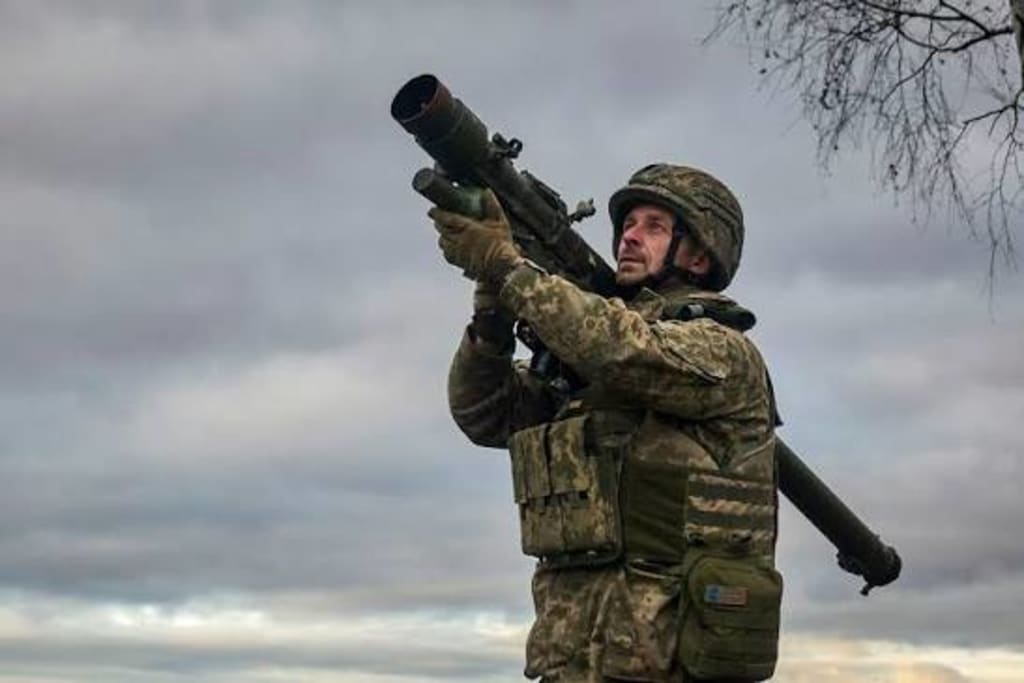
Why EU Hesitation Reveals a Complicated Mix of Strategy, Risk, and Geopolitical Uncertainty
Europe’s leaders are facing one of the most consequential questions of the Ukraine war: Should the EU use Russia’s frozen assets—worth more than $300 billion—to fund Ukraine’s defense and reconstruction? On paper, the idea sounds simple. Russia invaded Ukraine, causing a level of destruction the region has not seen in decades. Ukraine needs weapons, infrastructure repair, and economic support. The frozen Russian assets sitting in Europe could theoretically fill that gap.
Yet, despite months of discussion, the European Union has delayed making a final decision. And this delay is more than bureaucratic slow-moving—it is a calculated strategy. Europe is quietly hedging its bets, balancing legal risks, geopolitical consequences, economic interests, and a shifting global power landscape.
This hesitation offers insight into how Europe sees the future of the conflict, and—more importantly—its own security.
---
A Huge Pot of Money, But a Huge Legal Problem
The biggest challenge is that using frozen state assets is not legally straightforward. International law protects sovereign funds from seizure, even during conflict. While Europe has frozen Russian assets, seizing them permanently or redirecting them to Ukraine could create a precedent that other nations might later use against Europe itself.
European legal advisers warn that:
Confiscating assets could be challenged in international courts
It may violate treaties protecting state property
Europe’s own future frozen assets abroad could be targeted in retaliation
The result? Europe wants to support Ukraine without risking long-term legal chaos.
Instead of fully seizing the assets, the EU has explored “safer” options—like using only the interest generated by the frozen funds. This approach avoids full confiscation, but it also provides far less money than Ukraine needs.
---
A Political Tightrope: Europe Is Divided
The European Union is not politically united on the issue. Countries like Poland, the Baltic states, and the Czech Republic want immediate and aggressive action. They believe Ukraine’s survival directly affects their own security.
On the other hand, nations such as Germany, France, Italy, and Hungary are hesitant, each for different reasons:
Germany fears legal repercussions and economic retaliation
France wants global approval to avoid damaging diplomatic norms
Italy is worried about economic stability
Hungary openly favors closer ties with Russia
This division makes unanimous approval slow, complicated, and politically sensitive. The EU knows that rushing such a decision without unity could fracture its internal cohesion at a time when it needs to appear strong.
---
A Quiet Hedge Against an Uncertain Future
Europe’s delay is also driven by another reality: no one knows how long the war will last—or how it will end.
Some European policymakers privately believe:
Ukraine may need years of support
Negotiations could eventually become necessary
Russia’s political leadership may change
Europe must be prepared for multiple outcomes
If Europe confiscates Russian assets too soon, it may eliminate a valuable bargaining chip. Those frozen assets could become leverage in a future peace settlement—something Europe does not want to waste prematurely.
By delaying a final decision, Europe keeps all strategic options open.
---
Fear of Escalation: Europe Is Avoiding Provoking Russia
Another concern is that seizing Russian state assets could be interpreted by Moscow as an act of economic warfare. Russia has already threatened retaliation, including:
Seizing European corporate assets inside Russia
Cutting off remaining energy supplies
Deepening ties with China and Iran
Increasing cyberattacks on European infrastructure
Europe, already dealing with high energy prices and fragile economic conditions, is trying to avoid triggering a deeper confrontation.
Simply put, Europe wants to help Ukraine—but not at the cost of provoking unpredictable retaliation.
---
Ukraine’s Urgent Needs vs. Europe’s Long Game
For Ukraine, every month without additional funding is a setback. Cities need rebuilding. Power plants need repair. Soldiers need equipment. The war has stretched Ukraine’s economy to its limits.
Ukraine openly urges Europe to move faster, arguing that moral justice demands using Russian assets.
But Europe is playing a long geopolitical game, prioritizing stability, legal safety, and strategic leverage. In the short term, this creates frustration in Kyiv. In the long term, Europe believes cautious action will protect both Ukraine and the EU itself.
---
Conclusion: A Decision Delayed, Not Denied
Europe’s hesitation is not a sign of abandoning Ukraine. It is a sign that the EU is being extremely cautious in a world where every decision—financial, legal, or political—can reshape future global norms.
By delaying the decision, Europe is:
Avoiding legal pitfalls
Maintaining internal unity
Preventing possible Russian retaliation
Preserving negotiating leverage
Preparing for multiple future scenarios
Whether this caution proves wise or costly will only become clear with time. But one thing is certain: the frozen Russian assets debate will remain one of the defining issues of the war—and Europe’s role in it.
About the Creator
Fiaz Ahmed
I am Fiaz Ahmed. I am a passionate writer. I love covering trending topics and breaking news. With a sharp eye for what’s happening around the world, and crafts timely and engaging stories that keep readers informed and updated.
Keep reading
More stories from Fiaz Ahmed and writers in The Swamp and other communities.
Over 40 Indian Umrah Pilgrims Reported Dead After Bus Crash in Madinah
The holy journey of Umrah is meant to be a time of peace, prayer and reflection. For many Muslims across India, it is a dream fulfilled after years of saving and preparing. But tragedy struck this week when a devastating bus crash in Madinah, Saudi Arabia, claimed the lives of over 40 Indian Umrah pilgrims. What began as a spiritual trip quickly turned into one of the deadliest accidents involving Indian nationals in recent years.
By Fiaz Ahmed 2 months ago in The Swamp
Saudi Arabia Teleradiology Market Size and Forecast 2025–2033
Introduction: A New Era of Remote Diagnostics in Saudi Arabia Saudi Arabia’s healthcare system is undergoing a profound transformation, driven by technology, policy reform, and the national ambition outlined in Vision 2030. Among the most impactful innovations shaping this evolution is teleradiology—a digital healthcare solution that enables medical images to be transmitted and interpreted remotely by qualified radiologists.
By Renub Researchabout 11 hours ago in The Swamp


Comments
There are no comments for this story
Be the first to respond and start the conversation.