
Brigitte Bardot: The Woman Who Redefined Beauty, Fame, and Freedom
From Silver Screen Siren to Fearless Animal Rights Activist
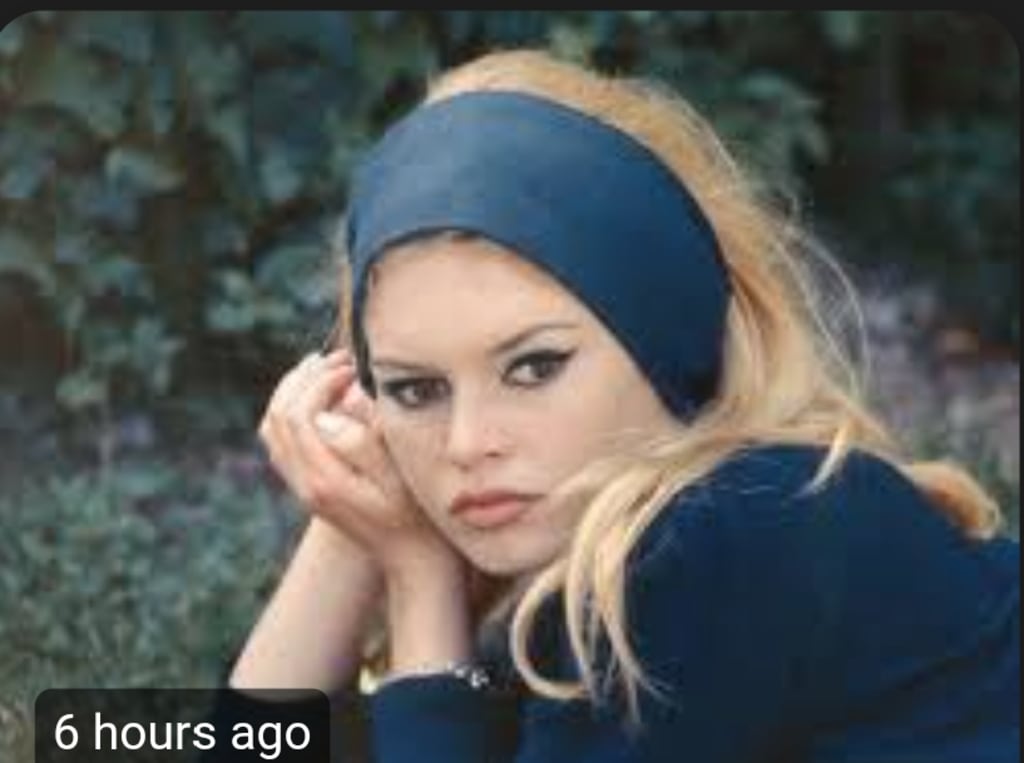
Brigitte Bardot is not just a name from classic cinema—she is a cultural revolution. A symbol of beauty, rebellion, and independence, Bardot reshaped how the world viewed women, fame, and personal freedom during the 20th century. From her rise as an international film star to her transformation into one of the world’s most outspoken animal rights activists, Brigitte Bardot’s life is a compelling story of evolution, courage, and conviction.
Early Life: From Ballet Dreams to Silver Screen Stardom
Born on September 28, 1934, in Paris, France, Brigitte Anne-Marie Bardot grew up in a conservative, upper-middle-class household. Initially trained as a ballet dancer, she showed early promise in the arts. Her striking looks soon caught the attention of fashion editors, and at just 15 years old, she appeared on the cover of Elle magazine. That cover would quietly open the door to a career that would soon shake the global entertainment industry.
Bardot entered French cinema in the early 1950s, but it was her role in “And God Created Woman” (1956) that made her an international sensation. The film challenged traditional morality and portrayed female sensuality in a way rarely seen before. Bardot was no longer just an actress—she had become a symbol of liberation.
The Global Icon: Beauty with a Message
Brigitte Bardot’s appeal extended far beyond her acting skills. Her natural beauty, effortless charm, and unapologetic confidence made her the embodiment of a new kind of femininity. She rejected the polished Hollywood image, favoring minimal makeup, loose hair, and casual fashion. This authenticity resonated with millions.
Her influence on fashion was immense. The “Bardot neckline,” cat-eye eyeliner, and tousled blonde hair became timeless trends. Designers and photographers around the world sought to capture her look, while women admired her fearless individuality.
But Bardot was never comfortable being reduced to a beauty icon. She often expressed frustration with fame, media intrusion, and the expectations placed upon her as a woman in the spotlight.
Film Career: Success at a Personal Cost
Throughout the late 1950s and 1960s, Brigitte Bardot starred in over 40 films, working with legendary directors such as Jean-Luc Godard and Louis Malle. Movies like “Contempt” (1963) showcased her depth as an actress and cemented her artistic credibility.
Despite her success, Bardot struggled with depression, intense public scrutiny, and a lack of personal freedom. Fame, for her, came with emotional exhaustion. In 1973, at just 39 years old and still at the height of her popularity, she made a shocking decision—she retired from acting permanently.
A New Purpose: Animal Rights Activism
After leaving cinema, Brigitte Bardot reinvented herself in a way few celebrities ever have. She devoted her life to animal rights activism, becoming one of the most passionate advocates for animal welfare in the world.
In 1986, she founded the Brigitte Bardot Foundation, dedicated to protecting animals from cruelty, abuse, and exploitation. She campaigned relentlessly against seal hunting, fur farming, animal testing, and inhumane slaughter practices. Her activism influenced legislation, raised global awareness, and inspired generations of animal rights supporters.
Unlike many celebrity activists, Bardot did not pursue popularity or approval. She spoke bluntly, often controversially, and remained fiercely committed to her beliefs regardless of criticism.
Controversies and Complex Legacy
Brigitte Bardot’s outspoken nature has also brought controversy, particularly regarding some of her political views. These moments have sparked debate and criticism, complicating her public image. However, her supporters argue that Bardot’s life cannot be defined by one dimension alone.
She remains a deeply complex figure—both admired and criticized, celebrated and challenged. What remains undeniable is her impact. Bardot never tried to be perfect; she chose to be honest.
Cultural Impact and Lasting Influence
Decades after stepping away from the spotlight, Brigitte Bardot continues to influence pop culture. Musicians, filmmakers, and fashion designers still reference her style and spirit. She represents a rare blend of glamour and rebellion—someone who refused to be owned by fame.
Her life story resonates because it speaks to universal themes: the cost of success, the search for purpose, and the courage to walk away from expectations to live authentically.
Conclusion: More Than a Legend
Brigitte Bardot is more than a former movie star—she is a symbol of transformation. From redefining beauty standards to reshaping the conversation around animal rights, her legacy extends far beyond cinema screens.
In a world obsessed with constant visibility, Bardot chose disappearance. In an industry driven by approval, she chose principle. That choice is what makes her unforgettable.
Brigitte Bardot didn’t just live in the spotlight—she challenged it, escaped it, and ultimately transcended it.
About the Creator
Let's Don't Do This
"I just can't do this anymore..." "Do what?" What can't you do? Put gas in your own car? I swear to God you make me take care of everything, don't you? You know I'm on my way to work right now but that never stops you from bothering me, does it?"
By Shirley Belk6 days ago in Fiction



Comments
There are no comments for this story
Be the first to respond and start the conversation.