
Brigitte Bardot: The Woman Who Redefined Beauty, Fame, and Freedom
How a French film star became a global icon, cultural rebel, and lifelong activist

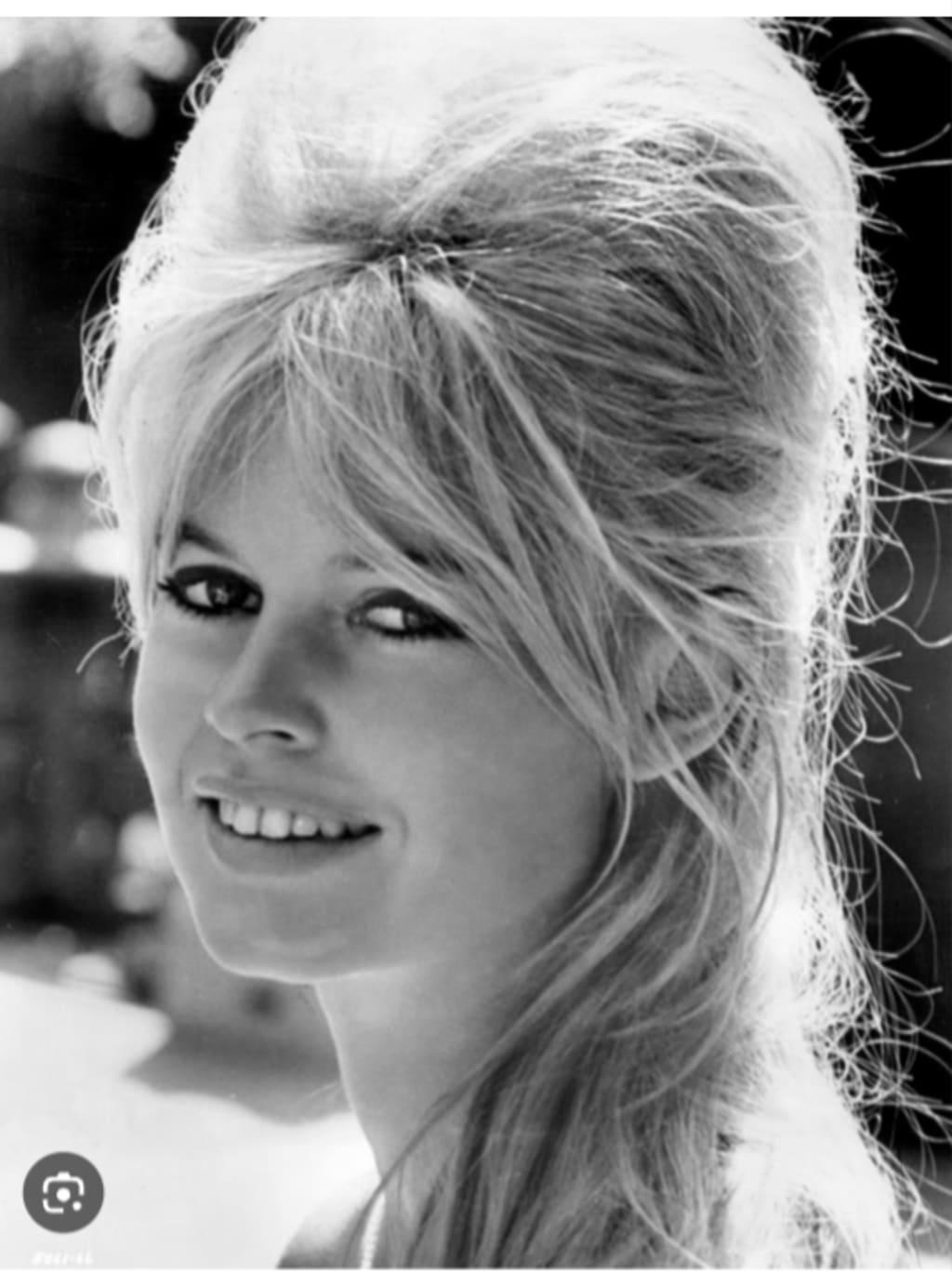
Brigitte Bardot is more than a name etched into cinema history; she is a symbol of liberation, controversy, and timeless allure. At the height of her fame in the 1950s and 1960s, Bardot wasn’t just a movie star—she was a cultural earthquake. With her unapologetic sensuality, defiant independence, and refusal to conform, she transformed global ideas of femininity and celebrity. Long after leaving the spotlight, Bardot’s influence continues to ripple through film, fashion, and social discourse.
Born on September 28, 1934, in Paris, France, Brigitte Anne-Marie Bardot was raised in a strict, upper-middle-class household. Trained as a ballet dancer, she initially envisioned a future in classical performance rather than cinema. However, fate intervened when her striking looks landed her on the cover of Elle magazine at just 15 years old. That cover caught the attention of film producers, launching a career that would soon transcend traditional stardom.
Bardot’s early film roles were modest, but her breakthrough came in 1956 with And God Created Woman, directed by Roger Vadim. The film shocked audiences and censors alike, not only for its sensual content but for Bardot’s portrayal of a woman who lived by her own desires. Her character wasn’t submissive or apologetic; she was raw, emotional, and free. Overnight, Bardot became an international sensation and a symbol of sexual liberation at a time when such openness was considered scandalous.
Unlike many actresses of her era, Bardot did not mold herself to Hollywood’s expectations. She resisted the polished glamour of studio systems, favoring a more natural, unfiltered image. Her tousled blonde hair, minimal makeup, and sun-kissed skin defined a new standard of beauty—one that felt accessible yet intoxicating. Women around the world imitated her style, from her eyeliner and hairstyles to her ballet flats and off-the-shoulder tops. Bardot didn’t just wear fashion; she inspired it.
As her fame grew, so did the intensity of public scrutiny. Bardot became one of the most photographed women in the world, relentlessly followed by paparazzi. While the public admired her freedom on screen, they often failed to recognize the emotional toll of constant exposure. Bardot struggled deeply with the pressures of fame, experiencing depression and attempting suicide multiple times. Her personal struggles highlighted the darker side of celebrity culture long before conversations about mental health became mainstream.
Throughout her acting career, Bardot appeared in nearly 50 films, including Contempt, Viva Maria!, and Le Mépris. Yet despite her success, she grew increasingly disillusioned with the film industry. She felt objectified, misunderstood, and trapped by the very image that made her famous. In 1973, at the age of 39—when most stars are chasing longevity—Bardot made the shocking decision to retire from acting entirely.
Her departure from cinema was not an end, but a transformation. Bardot redirected her passion toward animal rights activism, a cause that would define the second half of her life. In 1986, she founded the Brigitte Bardot Foundation for the Welfare and Protection of Animals. The organization became internationally recognized for its work against animal cruelty, campaigning against seal hunting, factory farming, and the fur trade.
Bardot’s activism, much like her film career, has been polarizing. She has never softened her opinions to maintain public approval. Her outspoken nature has often landed her in legal trouble, particularly for controversial political statements that many view as offensive. These aspects of her legacy complicate public perception, forcing audiences to confront the reality that cultural icons can be both impactful and deeply flawed.
Despite the controversies, Bardot’s influence on feminism and female autonomy remains undeniable. She represented a woman who lived for herself, not for public comfort or male validation. At a time when women were expected to be demure and obedient, Bardot embodied emotional honesty and sexual agency. She did not claim the feminist label, yet her life choices echoed feminist ideals—freedom, self-determination, and resistance to imposed roles.
In fashion and pop culture, Bardot’s legacy is eternal. Designers continue to reference her aesthetic, and her image appears in editorials, films, and campaigns decades after her retirement. The “Bardot neckline,” her signature hairstyles, and her effortless French chic remain staples in modern style. Musicians, filmmakers, and artists still cite her as inspiration, proof that her cultural relevance transcends generations.
What makes Brigitte Bardot so enduring is not perfection, but authenticity. She never attempted to be universally liked or understood. She lived loudly, loved fiercely, and walked away from fame on her own terms. In an era obsessed with reinvention and relevance, Bardot’s refusal to perform for the public eye feels radical even today.
Brigitte Bardot’s story is not a fairy tale—it is a human one, marked by beauty, pain, courage, and contradiction. She shattered norms, paid the price for it, and remained unapologetically herself. Whether remembered as a cinematic legend, a fashion muse, or a fierce activist, Bardot stands as a reminder that true icons are not created by conformity, but by the courage to live freely—even when the world is watching.
About the Creator
Sajida Sikandar
Hi, I’m Sajida Sikandar, a passionate blogger with 3 years of experience in crafting engaging and insightful content. Join me as I share my thoughts, stories, and ideas on a variety of topics that matter to you.
Keep reading
More stories from Sajida Sikandar and writers in The Swamp and other communities.
Harry Styles: Redefining Pop Stardom One Era at a Time
Harry Styles is no longer just a name associated with screaming fans and boy-band nostalgia. Over the last decade, he has steadily transformed into one of the most influential artists of his generation, redefining what it means to be a modern pop star. From his early days in The X Factor to sold-out world tours and headline-grabbing fashion moments, Styles has built a career rooted in artistic freedom, emotional honesty, and fearless self-expression.
By Sajida Sikandar22 days ago in The Swamp
Grief Over Pet Death Can Be as Strong as That for a Family Member, Survey Shows
For many, pets are more than just animals; they are companions, confidants, and family members. A recent survey has revealed that the grief experienced after the death of a beloved pet can be as intense as mourning the loss of a close family member, underscoring the profound emotional significance of human-animal relationships. The survey, conducted across multiple countries, sheds light on the psychological and social impacts of pet loss, highlighting how society often underestimates the depth of grief associated with losing a furry, feathered, or scaled friend. The Survey Findings The survey included thousands of participants who had experienced the death of a pet, asking them to rate their grief and compare it with other life events. Key findings include: Emotional intensity: Around 70% of respondents reported that their grief over a pet was as strong, or stronger, than grief experienced for a close relative. Duration of mourning: Many participants noted that grief lasted weeks to months, with some describing lingering emotional effects for years. Social recognition: Over 60% of respondents felt that their grief was not fully recognized by friends or family, often leading to feelings of isolation. These results highlight that pet loss is not trivial or fleeting, but a legitimate emotional experience that can significantly affect mental health. Why Pet Loss Can Be So Painful The intense grief associated with losing a pet is rooted in several factors: Unconditional companionship: Pets provide constant support and affection, often without judgment, creating deep emotional bonds. Routine and lifestyle changes: Pets become woven into daily routines, and their absence disrupts normal life, contributing to feelings of emptiness. Emotional support: Many people rely on pets for comfort during stressful periods. The loss of this support system can be emotionally destabilizing. Anthropomorphism: Owners often attribute human-like emotions and personalities to pets, which strengthens the emotional connection. These factors combine to make the loss of a pet deeply personal and emotionally impactful. Types of Pets and Grief While dogs and cats are the most commonly reported pets in grief surveys, studies show that owners of birds, rabbits, reptiles, and even fish can experience similarly profound grief. Dogs: Often mourned for their loyalty, companionship, and protective nature. Cats: Valued for affection, playfulness, and calming presence. Exotic pets: Owners may experience grief linked to unique bonds and care routines. The intensity of grief may also correlate with the length of the relationship, the pet’s role in the family, and the circumstances of their death. Psychological Effects of Pet Loss Grieving a pet can manifest in ways similar to grieving a human loved one, including: Sadness and crying Sleep disturbances Loss of appetite Social withdrawal or irritability Guilt or feelings of responsibility for the pet’s death Mental health professionals note that acknowledging these feelings is crucial. Suppressing grief or minimizing the loss can lead to prolonged emotional distress or depression. Societal Perceptions and Misunderstanding One challenge pet owners face is that society often underestimates or dismisses their grief. Phrases like “It was just a pet” or “You can get another one” can exacerbate emotional pain and make the bereaved feel invalidated. Experts emphasize that recognizing pet grief is vital for emotional recovery. Many workplaces, schools, and communities are beginning to acknowledge pet loss in bereavement policies, reflecting a growing understanding of its psychological impact. Coping Mechanisms and Support People cope with pet loss in various ways, including: Memorializing the pet: Creating photo albums, planting trees, or holding small ceremonies can provide closure. Support groups: Pet loss support groups, both online and in person, allow owners to share experiences and find understanding. Professional counseling: Therapists trained in grief counseling can help individuals navigate intense emotions and prevent prolonged distress. Continuing routines: Some owners find comfort in volunteering at animal shelters or fostering pets, keeping a connection to animals alive. Cultural practices also influence how grief is expressed. In some countries, rituals or pet funerals help formalize mourning and provide social support. Recognizing Pet Grief in Children Children can experience pet loss intensely but differently than adults. They may express grief through: Play or drawing, reflecting their memories Regressive behavior, like bed-wetting or clinginess Withdrawal or irritability Parents are encouraged to validate children’s feelings, explain the pet’s death honestly, and provide opportunities for rituals or goodbyes, such as memorials or planting a tree. Changing Cultural Attitudes As pets increasingly become family members, cultural attitudes toward pet grief are evolving. Some trends include: Pet bereavement leave: Companies and organizations offering time off for employees after a pet dies. Therapeutic services: Counseling and hotlines specifically for pet loss. Social media acknowledgment: Online communities where people share memories and support each other. These changes help normalize pet grief and encourage individuals to seek support without shame. Expert Opinions Dr. Karen Smith, a psychologist specializing in grief counseling, explains: “People often underestimate the grief associated with losing a pet, but it is real and can be profoundly impactful. Acknowledging it, talking about it, and seeking support are crucial steps in healing.” Veterinarians also note that pet loss can affect physical health, with increased stress, headaches, and fatigue being common among those grieving. Final Thoughts The survey underscores a powerful truth: pets are family, and losing them can be devastating. Recognizing the depth of grief associated with pet loss is essential for emotional well-being and social understanding. Whether it’s a dog, cat, bird, or other companion, the bond people form with animals is deep, meaningful, and enduring. By acknowledging this grief, society can help ensure that pet owners receive empathy, support, and space to mourn, validating one of the most profound emotional experiences in human life.
By Muhammad Hassan3 days ago in The Swamp
Miss Persephone's Manual to a Seemingly Ordinary Life
Miss Persephone was found at the dining table, her blue eyes swollen, her tears arriving and retreating like the tides of the ocean. Earlier that day, her family had visited her in the retirement home where she had lived for eight years. It was her eightieth birthday.
By Imola Tóth4 days ago in Fiction


Comments
There are no comments for this story
Be the first to respond and start the conversation.