
Algérie – Burkina: A Strategic Partnership Shaping Africa’s Security and Development
Exploring Security, Diplomacy, and Growing Cooperation Between Two African Nations
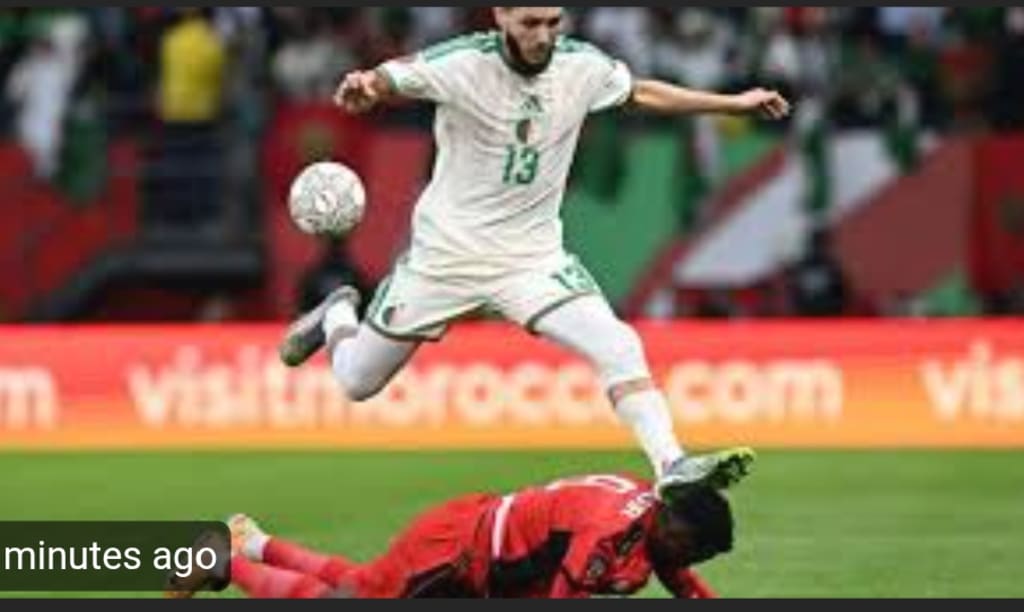
The relationship between Algérie and Burkina Faso has gained renewed attention in recent years as Africa faces growing challenges related to security, economic development, and regional cooperation. While the two countries differ in geography and economic structure, their shared commitment to African sovereignty, stability, and solidarity has brought them closer on diplomatic, military, and economic fronts. The Algérie – Burkina partnership is increasingly seen as a key example of South-South cooperation in a rapidly changing geopolitical landscape.
Historical Roots of Algérie – Burkina Relations
Diplomatic relations between Algeria and Burkina Faso date back to the post-independence era, when many African nations were redefining their identities and seeking unity. Algeria, having gained independence from French colonial rule in 1962 after a long and painful struggle, became a strong supporter of African liberation movements. Burkina Faso, formerly Upper Volta, gained independence in 1960 and soon aligned itself with pan-African ideals.
Over the decades, both nations have supported non-interference, mutual respect for sovereignty, and African solutions to African problems. These shared principles continue to form the backbone of Algérie – Burkina relations today.
Security Cooperation in a Turbulent Sahel
One of the most significant areas of cooperation between Algeria and Burkina Faso lies in regional security, particularly in the Sahel. Burkina Faso has been heavily affected by extremist violence and instability, while Algeria plays a critical role as a regional power with extensive experience in counterterrorism.
Algeria has long advocated for dialogue-based approaches to security, emphasizing intelligence sharing, border cooperation, and regional coordination. Through diplomatic channels and multilateral forums, Algeria has offered political and strategic support to Sahelian countries, including Burkina Faso, in their fight against terrorism.
The Algérie – Burkina partnership reflects a shared understanding that lasting security cannot be achieved through military action alone. Economic development, social cohesion, and political stability are seen as equally important components of peace.
Economic and Trade Opportunities
Beyond security, economic cooperation represents a growing pillar of relations between Algeria and Burkina Faso. Algeria’s diversified economy, driven by energy, infrastructure, and industrial sectors, offers opportunities for investment and technical support. Burkina Faso, rich in agriculture and natural resources such as gold, seeks partnerships that support sustainable development.
Trade between the two countries remains modest but shows potential for growth. Areas such as agriculture, renewable energy, construction, and transport infrastructure present opportunities for collaboration. Improved connectivity between North and West Africa could further enhance trade flows and strengthen regional integration.
By expanding economic ties, the Algérie – Burkina relationship aims to reduce reliance on external partners and promote African self-sufficiency.
Diplomatic Alignment and Pan-African Vision
On the diplomatic stage, Algeria and Burkina Faso often find common ground in international forums. Both countries support multilateralism and advocate for stronger African voices in global decision-making bodies. They share concerns about foreign intervention in African affairs and emphasize the importance of regional organizations such as the African Union.
Algeria’s diplomatic influence, combined with Burkina Faso’s strategic position in West Africa, allows the partnership to contribute meaningfully to continental dialogue. Their cooperation reflects a broader pan-African vision focused on unity, mutual respect, and collective progress.
Cultural and Educational Exchanges
While political and economic ties often dominate headlines, cultural and educational cooperation also plays a vital role in strengthening relations. Student exchanges, academic partnerships, and cultural initiatives help build people-to-people connections between Algeria and Burkina Faso.
These exchanges foster mutual understanding and help younger generations appreciate shared African heritage and values. Over time, such connections contribute to deeper, more sustainable cooperation beyond government-level agreements.
Challenges Facing the Partnership
Despite strong foundations, the Algérie – Burkina partnership faces challenges. Security concerns in the Sahel continue to strain resources and complicate regional cooperation. Economic limitations, infrastructure gaps, and political transitions in Burkina Faso also present obstacles.
Additionally, differing approaches among African states regarding external alliances and security strategies sometimes create diplomatic complexities. However, both Algeria and Burkina Faso have demonstrated a willingness to engage in dialogue and adapt to evolving regional realities.
The Road Ahead: Strengthening African Solidarity
Looking forward, the future of Algérie – Burkina relations depends on sustained commitment to cooperation and mutual support. Strengthening economic ties, enhancing security coordination, and investing in education and development will be crucial.
As Africa navigates global uncertainty, partnerships like Algérie – Burkina serve as reminders of the power of regional solidarity. By working together, both countries can contribute to greater stability in the Sahel and promote a more united and self-reliant continent.
Conclusion
The Algérie – Burkina relationship is more than a diplomatic connection—it is a strategic partnership rooted in shared history, values, and aspirations. In a region facing complex challenges, cooperation between North and West Africa is essential.
Through security collaboration, economic engagement, and a shared pan-African vision, Algeria and Burkina Faso continue to shape a partnership that reflects Africa’s determination to define its own future. As this relationship evolves, it holds promise not only for both nations but for the broader stability and development of the African continent.
About the Creator
Iran Edges Closer to a Revolution That Would Reshape the World
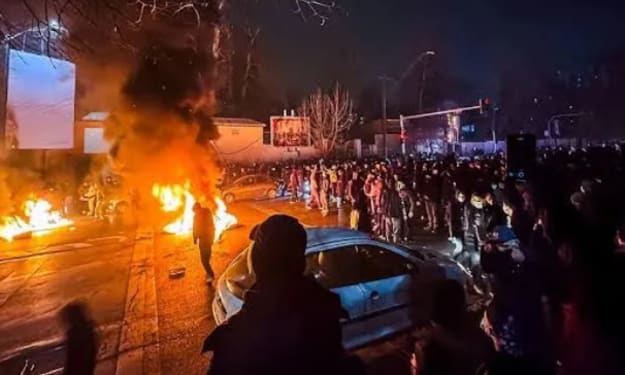
For decades, Iran has existed in a state of controlled tension — balancing public dissent, economic pressure, and rigid political authority. Today, that balance appears more fragile than ever. From widespread protests and economic collapse to generational defiance and geopolitical strain, Iran is edging closer to a revolutionary moment that could dramatically reshape not only the Middle East, but the world.
By Aqib Hussain7 days ago in The Swamp



Comments
There are no comments for this story
Be the first to respond and start the conversation.