
Algeria Begins to Cancel Air Services Agreement with UAE: A Shift in Diplomatic and Aviation Relations
Rising diplomatic tensions reshape air travel, trade, and regional cooperation
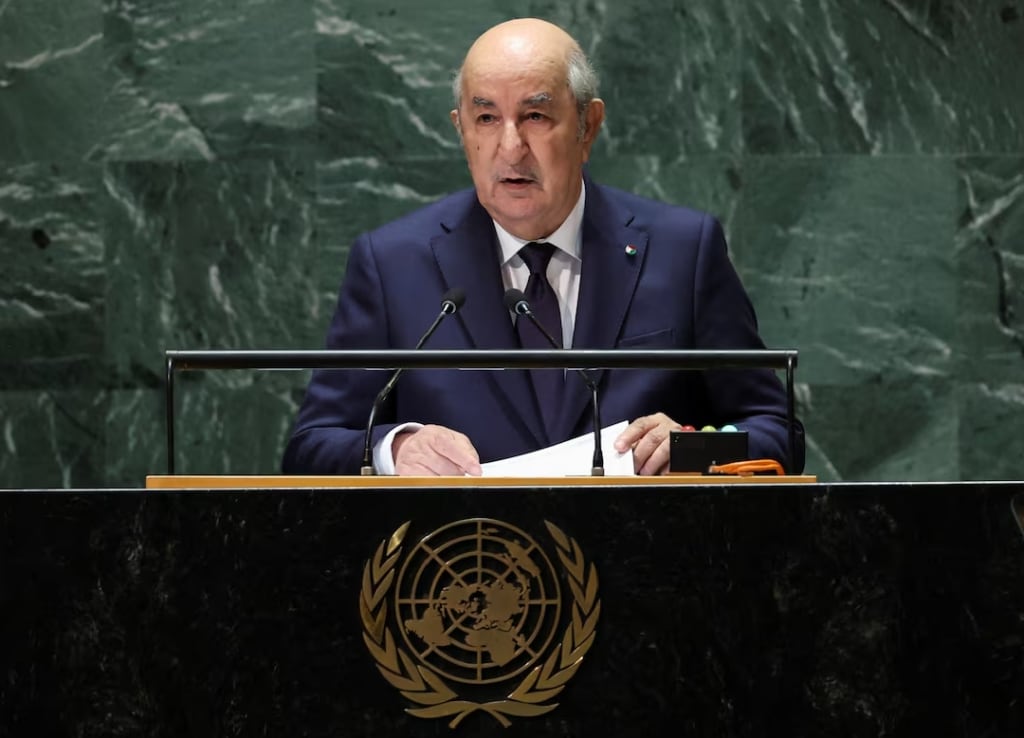
In a significant development affecting regional diplomacy and international travel, Algeria has begun the process of canceling its air services agreement with the United Arab Emirates (UAE). The move signals a shift in relations between the two countries and reflects broader political, economic, and strategic tensions that have been building over time.
The decision has drawn attention from aviation experts, business leaders, and policymakers, as it could impact tourism, trade, and people-to-people connections between North Africa and the Gulf region. While officials have not yet released full details, the step represents more than just an aviation policy change—it highlights evolving geopolitical dynamics in the Middle East and North Africa.
Understanding the Air Services Agreement
Air services agreements, often called bilateral aviation treaties, regulate how airlines from two countries operate flights between their territories. These agreements cover key aspects such as:
Number of flights per week
Designated airlines
Routes and destinations
Pricing and competition rules
Safety and operational standards
The agreement between Algeria and the UAE has allowed carriers from both nations to operate direct flights, facilitating tourism, business travel, and cultural exchange.
Over the years, this partnership helped strengthen ties between Algiers and Abu Dhabi, supporting growing economic cooperation and increasing passenger traffic
Why Is Algeria Canceling the Agreement?
Although Algerian authorities have not issued a detailed public explanation, political analysts point to several underlying factors behind the decision.
1. Diplomatic Differences
Relations between Algeria and the UAE have faced strains in recent years due to differing positions on regional conflicts, political alliances, and foreign policy priorities. Algeria has traditionally followed an independent diplomatic path, emphasizing non-alignment and sovereignty.
Meanwhile, the UAE has taken a more active role in regional politics, sometimes supporting policies that differ from Algeria’s stance. These differences may have contributed to growing friction.
2. Concerns Over Influence and Sovereignty
Some observers believe Algeria is seeking to limit external influence in its domestic and regional affairs. Reducing strategic dependence on certain partners could be part of a broader effort to reinforce national autonomy.
Canceling the aviation agreement may reflect Algeria’s intention to reassess its international partnerships and assert greater control over key sectors.
3. Economic and Commercial Disputes
There are also reports of disagreements related to investment projects, airline operations, and market access. Algerian authorities may feel that existing arrangements favor UAE carriers disproportionately, affecting national airlines’ competitiveness.
Revising or canceling the agreement could be a way to rebalance commercial relations.
Immediate Impact on Air Travel
The cancellation process is expected to affect direct flights between Algeria and the UAE, particularly routes connecting Algiers with Dubai and Abu Dhabi.
Potential consequences include:
Reduction or suspension of direct flights
Increased ticket prices
Longer travel times due to stopovers
Reduced passenger convenience
Business travelers, migrant workers, tourists, and students who regularly commute between the two countries may face disruptions.
Airlines will likely need time to adjust schedules, negotiate alternative arrangements, and explore new routes through third countries.
Effect on Tourism and Trade
Aviation links play a crucial role in supporting economic relations. Any disruption in air connectivity can have ripple effects across multiple sectors.
Tourism
The UAE has been a popular destination for Algerian travelers, while Algeria has attracted visitors interested in its cultural heritage and natural landscapes. Fewer direct flights could discourage tourism and reduce visitor numbers.
Hotels, travel agencies, and hospitality businesses in both countries may experience declining demand.
Trade and Investment
Business travel is essential for maintaining commercial partnerships. The reduction in flights could make it more difficult for entrepreneurs and investors to meet, negotiate deals, and oversee projects.
This may slow down joint ventures and cross-border investments, particularly in sectors such as construction, energy, and logistics.
Regional and International Reactions
The move has attracted attention beyond Algeria and the UAE. Neighboring countries and international partners are closely watching how the situation unfolds.
Some analysts view the decision as part of a broader realignment in North African and Middle Eastern politics. As global power dynamics shift, countries are increasingly reevaluating their alliances and economic ties.
International aviation organizations may also monitor the situation to ensure that changes comply with global standards and do not disrupt regional stability.
Response from the UAE
So far, the UAE has responded cautiously, emphasizing the importance of dialogue and cooperation. Officials have expressed hope that both sides can resolve differences through diplomatic channels.
UAE-based airlines are reportedly exploring alternative options to maintain connectivity with Algeria, including code-sharing agreements and indirect routes.
The UAE has traditionally prioritized economic diplomacy and may seek to preserve long-term relations despite short-term challenges.
What This Means for Algerian Aviation
For Algeria’s national carriers, including Air Algérie, the cancellation could present both challenges and opportunities.
Challenges
Loss of established routes
Reduced international exposure
Potential revenue decline
Opportunities
Chance to renegotiate fairer terms
Expansion into new markets
Strengthening regional partnerships
If managed effectively, the situation could encourage Algeria to modernize its aviation sector and diversify its international connections.
Broader Lessons for International Relations
This development highlights how transportation agreements are deeply connected to diplomacy and national strategy. Aviation is not just about travel—it reflects trust, cooperation, and shared interests.
When political relations weaken, practical sectors such as aviation often feel the impact first. Conversely, strong connectivity can help strengthen diplomatic ties.
Countries around the world may learn from this case and recognize the importance of balancing political differences with economic cooperation.
Looking Ahead: Possibility of Renegotiation
Despite the current tensions, many experts believe that a complete and permanent breakdown is unlikely. More commonly, such cancellations lead to renegotiation rather than total separation.
Future scenarios may include:
Signing a revised agreement
Introducing new operational rules
Gradual restoration of flights
Enhanced regulatory oversight
If both sides prioritize mutual benefits, dialogue could eventually restore stable aviation ties.
Conclusion
Algeria’s move to cancel its air services agreement with the UAE marks a significant moment in bilateral relations. It reflects deeper political and economic considerations and highlights how international partnerships can shift in response to changing priorities.
While the decision may create short-term challenges for travelers, businesses, and airlines, it also opens the door for reassessment and reform. The coming months will be crucial in determining whether this development leads to prolonged tension or renewed cooperation.
As global connectivity becomes increasingly vital, the ability of nations to manage disagreements while maintaining essential links will remain a key test of diplomatic maturity.
About the Creator
Why Black History Matters in America?
The United States of America is celebrating their 250th anniversary in 2026. I'm proud to be an American and as someone who was born here, I wouldn't imagine myself living anywhere else. This is a country where opportunities are possible. Where anyone can be successful in anything they desire to do. Equality, community, and togetherness are the backbones of what America is and should be about. However, we have an administration who wants to erase and disregard those who have made positive, meaningful impacts in our country, specifically Black figures, such as Martin Luther King, Jr., Rosa Parks, and Maya Angelou. President Trump and his administration have been constantly complaining and fighting against what they call the "Woke agenda". They use this excuse as a distraction from other issues they refuse to address, such as the high cost of living, climate change, and inflation. That equality is dividing America, when in reality, it's bringing us together. Being woke is not tied to a specific political party. No matter where you stand on the political spectrum, you can still care about other people and their plights. Compassion and empathy for others isn't tied to a political party, either. We were taught as children to treat others the way we want to be treated and not judge others because they're different from us. Caring about others isn't a personal attack on your beliefs. It doesn't make you any less of a person. People who are easily offended over African American figures, past or present, or anything related to it, are grasping at straws. Current and future generations need to know who people like Harriet Tubman and Shirley Chisholm were, especially in the classroom. Black History is part of American History. It should be recognized, not hidden or forgotten. Besides, you can't shield children from everything, just because your feelings are easily hurt.
By Mark Wesley Pritchard 7 days ago in The Swamp
The World’s Most Import-Dependent Countries, Ranked
In today’s interconnected global economy, few countries can survive without imports. From food and fuel to technology and raw materials, international trade keeps modern societies functioning. However, some nations rely on imports far more than others. These highly import-dependent countries depend on foreign suppliers for essential goods, making them especially vulnerable to global disruptions such as wars, pandemics, supply chain breakdowns, and inflation shocks.
By Sajida Sikandar5 days ago in The Swamp



Comments
There are no comments for this story
Be the first to respond and start the conversation.