
Afghanistan-Pakistan Border Fighting: What’s Going On and Why It Matters
A Tense Line Dividing Two Nations

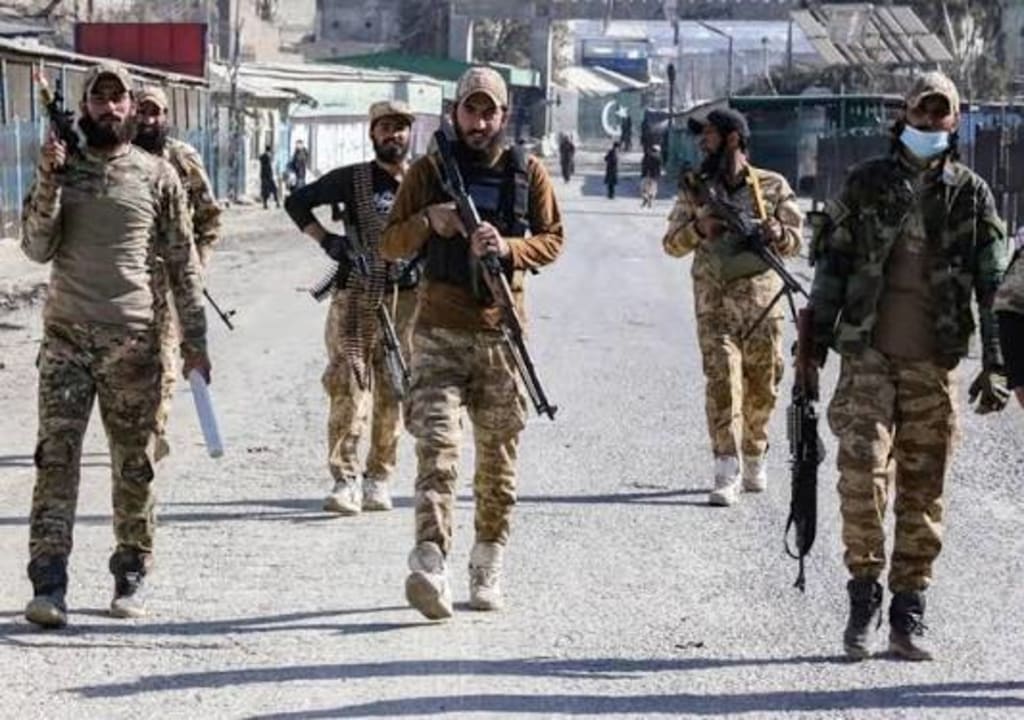
Rising Tensions Along a Long Border
The border between Afghanistan and Pakistan has seen renewed fighting in recent days. Scores of soldiers and militants have been reported killed. Border crossings have been shut, artillery shelling has damaged buildings, and civilians are caught in the crossfire. These clashes are not just local disputes—they reflect growing distrust, security concerns, and geopolitical friction. Understanding what is happening, why it started, and what might come next is important because the consequences reach beyond just the border.
---
What Triggered the Latest Clashes
The most recent round of fighting began after Pakistan reportedly carried out airstrikes in Afghan areas, including Kabul, Paktika, Jalalabad, targeting leaders of militant groups. Afghanistan’s Taliban government says this was a violation of its sovereignty. In retaliation, Afghan forces launched operations across several border provinces like Paktika, Khost, Helmand, Kandahar, and others.
Pakistan responded by using heavy artillery, tanks, shelling Afghan border posts, and reportedly destroying some of them. The government claims it is targeting militant strongholds—especially those tied to the Tehreek-e-Taliban Pakistan (TTP).
---
Key Locations of the Conflict
Some specific provinces and border posts have become focal points:
Kurram, Paktika, Helmand, Khost, and Paktia provinces are heavily involved. Afghan forces say Pakistani airstrikes and ground fire violated territory here.
Torkham and Chaman crossings are major border trade and transit points that have been closed multiple times due to fighting. The closures disrupt trade and daily life.
Several smaller border posts have also been seized, destroyed or heavily damaged by both sides during the exchanges.
---
Casualties, Impact, and Accusations
Numbers are contested, but the latest claims are serious:
Afghanistan’s Taliban authorities say 58 Pakistani soldiers were killed, along with numerous border posts captured.
Pakistan reports lower soldier casualties but accuses Afghanistan of harboring militants who carry out attacks in Pakistan. The Pakistani side also claims to have destroyed several Afghan posts.
Civilian harm is part of the equation. Homes near border posts have been damaged by artillery or stray fire. Some civilians have fled, while trade disruptions have affected supply chains and livelihoods.
Both governments accuse the other of starting hostilities. Afghanistan says it responded to airstrike violations. Pakistan says Taliban forces initiated unprovoked attacks and that militant groups (like TTP) use Afghan territory as a base.
---
Why It’s More than Just Border Skirmishes
The fighting matters for several important reasons:
1. Security and Militancy:
Pakistan has long accused Afghanistan—especially since the Taliban takeover in 2021—of providing sanctuary (directly or indirectly) for groups like TTP. This raises fears of cross-border attacks, which Pakistan claims have surged.
2. Economic Disruption:
Border crossings like Torkham are vital for trade. When they close, goods, essentials, and food can’t move freely. This hurts both countries, particularly Afghanistan, which imports many essential items.
3. Regional Diplomacy and Sovereignty:
Violations of airspace, allegations of strikes inside each other’s territory, and the exchange of gunfire are fueling diplomatic tensions. Both sides are under pressure—domestically and internationally—to explain actions.
4. Humanitarian Effects:
The conflict displaces people, damages property, and can interrupt access to medical care and food. Civilians living near border areas are especially vulnerable.
---
What Could Happen Next?
Escalation or Ceasefire?
The risk of escalation is real. Both sides have shown willingness to use force. But international pressure (from neighbours, UN, or regional powers) might push for de-escalation.
Mediation and Diplomacy:
It’s possible that diplomatic channels will be used to restore calm. But trust is damaged, and accusations continue. The Taliban government and Pakistan may need to agree on border control, anti-militancy cooperation, and rules of engagement.
Long-Term Instability?
Without a more stable agreement, these clashes may become more frequent. Repeated fighting threatens to erode peace in border regions, affect trade permanently, and worsen humanitarian crises.
---
What This Means for People Living There
For many living in the shadow of this border:
Safety is a daily concern. Gunfire, shelling, and raids can break out suddenly. Families may need to flee or take shelter.
Livelihoods are disrupted. Farmers, traders, transporters face losses when border crossings close or paths are blocked.
Access to essential services suffers. Healthcare, education, and infrastructure are fragile and often damaged.
Fear and uncertainty. Years of conflict and shifting control make it hard to plan ahead, trust authorities, or feel secure in one’s home.
---
Final Thoughts
The Afghanistan-Pakistan border fighting isn’t a simple dispute—it’s a complex mix of history, militant groups, national security, and civilian suffering. While both sides present their own narratives, the reality is that people living in the border zones bear the brunt.
Resolving this conflict will likely require more than military action. Cooperation over militant safe havens, clear rules about cross-border movement, respect for sovereignty, and protection for civilians are critical. What happens next will matter not just to Afghanistan and Pakistan, but to regional stability in South Asia.
About the Creator
Fiaz Ahmed
I am Fiaz Ahmed. I am a passionate writer. I love covering trending topics and breaking news. With a sharp eye for what’s happening around the world, and crafts timely and engaging stories that keep readers informed and updated.
Keep reading
More stories from Fiaz Ahmed and writers in The Swamp and other communities.
Ukraine Krieg: What’s Really Going On And Why It Matters
What “Ukraine Krieg” Means Now “Ukraine Krieg” is a term many people are using lately in Germany and across Europe when referring to the war between Russia and Ukraine. But it’s more than just a phrase — it encapsulates the fear, political tension, and human suffering tied up in one of the biggest conflicts in recent memory. As news from Ukraine continues to dominate headlines, it’s important to understand what’s changed lately—and why this war still matters deeply for the UK and Europe.
By Fiaz Ahmed 5 months ago in The Swamp
The Forsyth House Fire
Since 1851, Forsyth House has stood on the corner of Union Street and Gordon Street in the heart of Glasgow. Its iconic, or was... because on Sunday 8th of March, 2026, a fire broke out in a small, seemingly un-named shop in the building and tore all that history down. As I write, the rubble is still unsettled and the street is still blocked off. Central Station is quiet on the upper level, and around 30 small businesses have quite literally gone up in smoke.
By S. A. Crawford2 days ago in The Swamp




Comments
There are no comments for this story
Be the first to respond and start the conversation.