
Actions After Voting
The importance of working beyond the vote
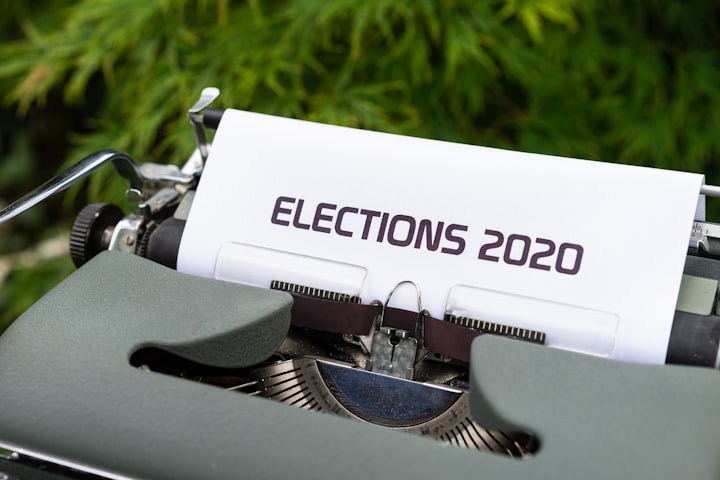
Not too long ago my ancestors were not allowed the option of voting. They were excluded from one of society’s most important methods of exercising freedom at the time. After the end of chattel enslavement of African people in America, this was yet another barrier placed in front of their journey towards the destination of “ true freedom.” The power of choice and right to choose was not granted to these newly “freed” African Americans. The concept of “free will” or the ability to act at one’s own discretion did not truly apply to African Americans. This can also be applied to women, since they were restricted from voting as well. It’s also important to remain aware of the intersections black women existed at in this situation and the nuances that followed. Black women endured the brunt of racism and misogyny simultaneously.
Free will is never truly free if one exists in a society that actively prevents them from participating in actions for their own greater good. There was a time when marginalized groups were unable to look towards voting as an avenue for change. There was no choice, but to look for alternative methods of exercising the right to exist and participate in society. These marginalized groups were forced to look beyond the vote to obtain the actual right to vote. This was done through organizing, protesting and cultivating community. These are all methods and actions that we can continue to engage with in the present, when it comes to working beyond the vote.
Voter suppression isn’t a new tactic, but a continuation from the past. In 1870 the 15th amendment was enacted allowing African-American men the right to vote, while unfortunately excluding women. African-American men faced several forms of voter suppression throughout the late 19th century. This included violence and terror carried out by paramilitary groups such as the Ku Klux Klan as a method of intimidation. Difficult literacy tests were required to vote, which disenfranchised many former enslaved African Americans due to lack of access to education. Poll taxes were also enacted, which affected poor Americans. Due to wealth inequalities African Americans were most affected by this. These methods of voter suppression continued well on into the 20th century and less blatant forms still exist today.
Gerrymandering is still used to minimize the voting powers of marginalized groups. Strict voter ID laws have led to lower voter turnout. Less polling places are established in low-income and minority neighborhoods, leading to lengthy lines at the polls. Now, voting by mail is also under attack. Felon disenfranchisement of incarcerated individuals excludes a large population from participating at the polls. Yes, voting is one of the ways citizens can participate in American democracy, but we must also remain critical of any and all faults.
Going beyond the vote means collectively working towards a better world for everyone no matter who holds office. Marginalized groups of the past did not only fight for our right to vote, but for our right to exist overall. In this existence we must create community and support one another towards the goal of ending dominating structures such as voter suppression and systemic racism. Voting is only one step in the grand scheme of America’s political narrative. After you’ve casted that vote and left the polls there is still work to be done.
It is important to remain informed about the country’s political climate whether it is a major election year or not. Look towards a variety of news outlets instead of just one source. Whether it’s through social media, television, radio, newspapers, etc., always make sure the sources are credible.
Social media has also become a resourceful platform in the wake of the COVID-19 pandemic and the fight for racial justice. Political organization has taken place on social media. Over the summer of 2020 I saw multiple, successful protests take place due to one simple social media post. Mutual aid funds are being created and shared on social media. Marginalized groups heavily affected by the pandemic have been able to sustain themselves financially through the help of these mutual aid funds. There are groups providing free groceries to those in need or organizations receiving donations to bail out citizens exercising their right to protest. With a simple tap or share these resources have circulated on apps such as twitter or Instagram. Community no longer only exists with those directly around us. Technology has allowed communities to expand nationally and globally.
If you are in the financial position to do so donate money directly to marginalized individuals, marginalized communities and organizations dedicated to true change.
Another way to work beyond the vote is to continue to have conversations about the unjust structures that heavily affect minorities. We can’t continue to ignore the various “-isms” and “phobias”. It doesn’t matter if these conversations are uncomfortable, they must be addressed if they are to ever be eradicated. There must be a constant push towards their extinction even if your preferred candidate wins an office.
Local elections are often overshadowed by the presidential elections, but they are important despite lack of consistent news coverage. Participate in your local elections, vote on issues and for politicians that directly affect your cities and counties. Take it a step further and join any local organizations in your area.
It’s important for us to look back toward marginalized groups of the past and seek inspiration and guidance. There was a time when voting was not accessible to a large majority, so alternative methods of political participation were their only choice. Luckily, marginalized groups now have the choice to vote, but we still must continue to push for further political change once we’ve left the voting booths.
About the Creator
Why Black History Matters in America?
The United States of America is celebrating their 250th anniversary in 2026. I'm proud to be an American and as someone who was born here, I wouldn't imagine myself living anywhere else. This is a country where opportunities are possible. Where anyone can be successful in anything they desire to do. Equality, community, and togetherness are the backbones of what America is and should be about. However, we have an administration who wants to erase and disregard those who have made positive, meaningful impacts in our country, specifically Black figures, such as Martin Luther King, Jr., Rosa Parks, and Maya Angelou. President Trump and his administration have been constantly complaining and fighting against what they call the "Woke agenda". They use this excuse as a distraction from other issues they refuse to address, such as the high cost of living, climate change, and inflation. That equality is dividing America, when in reality, it's bringing us together. Being woke is not tied to a specific political party. No matter where you stand on the political spectrum, you can still care about other people and their plights. Compassion and empathy for others isn't tied to a political party, either. We were taught as children to treat others the way we want to be treated and not judge others because they're different from us. Caring about others isn't a personal attack on your beliefs. It doesn't make you any less of a person. People who are easily offended over African American figures, past or present, or anything related to it, are grasping at straws. Current and future generations need to know who people like Harriet Tubman and Shirley Chisholm were, especially in the classroom. Black History is part of American History. It should be recognized, not hidden or forgotten. Besides, you can't shield children from everything, just because your feelings are easily hurt.
By Mark Wesley Pritchard 28 days ago in The Swamp


Comments
There are no comments for this story
Be the first to respond and start the conversation.