
Abu Ubaidah ibn al-Jarrah: The Trustworthy Guardian of Early Islam
A Revolutionary Leader Whose Loyalty and Courage Shaped the Fate of Islam in its Formative Years

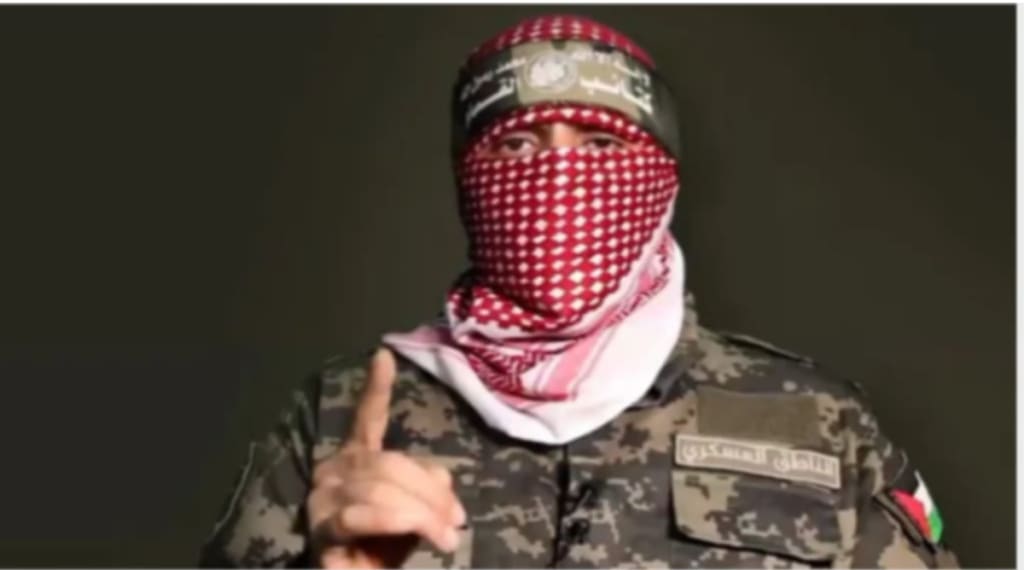
Abu Ubaidah ibn al-Jarrah stands out as one of the most distinguished companions of the Prophet Muhammad (PBUH) and a figure whose life left a lasting impact on the early history of Islam. Known for his loyalty, bravery, and profound wisdom, Abu Ubaidah’s contributions during the formative years of Islam remain significant. His legacy as a military leader, his selfless service, and his unwavering faith made him a vital figure in the establishment of the Islamic state. As the "Trustworthy Guardian" of early Islam, his life story is an inspiration, serving as a model of sacrifice, loyalty, and courage for generations to come.
Early Life and Conversion to Islam
Abu Ubaidah ibn al-Jarrah was born in Mecca, into the noble tribe of Quraysh, around the year 583 CE. His original name was Amr ibn Abdillah, but he was later nicknamed "Abu Ubaidah" (the father of Ubaidah), a title that would be synonymous with trustworthiness and honor. His family was among the elite of the Quraysh, but despite their high social standing, Abu Ubaidah found himself questioning the idols and polytheistic practices of his society.
In his early adulthood, Abu Ubaidah, like many others in Mecca, heard about the message of Islam brought by the Prophet Muhammad (PBUH). After much contemplation and reflection, he accepted Islam and became one of the earliest converts to the new faith. His conversion did not come without challenges. In the early years, the Quraysh leadership fiercely opposed the spread of Islam, and Abu Ubaidah, being a prominent member of the tribe, faced severe persecution. However, his resolve remained unshaken, and he joined the ranks of the early Muslims in their struggles.
Military Leadership and Key Battles
Abu Ubaidah's military career began early in the history of Islam, where he demonstrated unparalleled strategic skills and valor. He was present in many of the key battles that shaped the rise of Islam. His most notable military achievements include the Battle of Badr, Uhud, and the conquest of Syria, among others.
1. The Battle of Badr (624 CE)
The Battle of Badr was a turning point in the early years of Islam. Abu Ubaidah played a pivotal role in this battle, which saw the small Muslim army of Medina defeat a much larger Quraysh force. His bravery and leadership on the battlefield were instrumental in securing the Muslim victory. He is famously remembered for his courage, having fought valiantly alongside other companions of the Prophet, despite being greatly outnumbered.
2. The Battle of Uhud (625 CE)
Although the Battle of Uhud ended in a setback for the Muslims, Abu Ubaidah’s bravery stood out once again. During the battle, he was severely wounded, yet he continued to fight without showing any sign of fear or retreat. His courage in the face of adversity made him a hero among the Muslims. It was also during this battle that Abu Ubaidah was entrusted with an important responsibility—protecting the Prophet Muhammad (PBUH). His leadership and discipline during the battle solidified his reputation as one of the Prophet’s most trusted companions.
3. The Conquest of Syria (634 CE)
Perhaps the greatest military achievement of Abu Ubaidah came after the death of the Prophet Muhammad (PBUH), when the caliphate was faced with the challenge of expanding Islam beyond the Arabian Peninsula. Abu Ubaidah was appointed as the commander of the Muslim army in the conquest of Syria, a region controlled by the Byzantine Empire. Under his leadership, the Muslim forces secured major victories, including the decisive Battle of Yarmouk in 636 CE. This battle not only cemented Abu Ubaidah’s legacy as a brilliant military strategist but also marked the beginning of Islamic rule in the Levant.
A Model of Loyalty and Integrity
What truly set Abu Ubaidah apart from other military leaders of his time was his unwavering loyalty and integrity. He was known for his deep faith, humility, and selflessness. Unlike many leaders who sought personal glory and wealth from military conquests, Abu Ubaidah remained focused on the service of Islam and the welfare of his fellow Muslims.
One of the most touching aspects of his character was his relationship with the Prophet Muhammad (PBUH). The Prophet trusted him implicitly, and Abu Ubaidah was often entrusted with the most difficult and important tasks. His honesty and trustworthiness earned him the title of "Amin" (the Trustworthy), a title given by the Prophet himself. When the Prophet passed away, Abu Ubaidah’s loyalty to the Muslim community did not falter, and he continued to serve as a guide and protector of the fledgling Islamic state.
Death and Legacy
Abu Ubaidah’s life was one of sacrifice and devotion, and he passed away in 639 CE, while stationed in the Levant during the conquest of Syria. His death was mourned by the entire Muslim community, and his contributions to the early Islamic state have never been forgotten. Even after his death, his name remains synonymous with selflessness, bravery, and loyalty to the cause of Islam.
The Prophet Muhammad (PBUH) once said of him, "Every Ummah has a trustworthy one, and the trustworthy one of this Ummah is Abu Ubaidah ibn al-Jarrah." This statement underscores the immense respect and admiration the Prophet had for him. Abu Ubaidah’s legacy lives on as a symbol of honor, courage, and dedication to faith.
Abu Ubaidah ibn al-Jarrah remains one of the greatest heroes of early Islam. His legacy continues to inspire Muslims around the world, not only as a military leader but as a person whose moral integrity, loyalty, and devotion to Islam were unmatched. His story serves as a reminder that true leadership is not about personal gain, but about serving others with humility, dedication, and faith.
In today’s world, where leaders are often judged by their wealth, status, or power, the life of Abu Ubaidah ibn al-Jarrah stands as a timeless example of what it means to lead with honor and faithfulness. His life remains a beacon for those who seek to serve humanity with selflessness and dedication, ensuring that his legacy will live on for generations to come
About the Creator
Muhammad Hassan
Muhammad Hassan | Content writer with 2 years of experience crafting engaging articles on world news, current affairs, and trending topics. I simplify complex stories to keep readers informed and connected.
Keep reading
More stories from Muhammad Hassan and writers in The Swamp and other communities.
Mourners Gather to Pay Tribute to Crans-Montana Resort Fire Victims
The quiet alpine resort town of Crans-Montana, known worldwide for its serene beauty and luxury ski slopes, was transformed into a place of mourning as residents, families, and visitors gathered to honor the victims of a devastating fire that claimed multiple lives. Against a backdrop of snow-covered peaks and candlelit vigils, the community came together in a powerful display of solidarity, grief, and remembrance.
By Muhammad Hassan2 months ago in The Swamp
Why Black History Matters in America?
The United States of America is celebrating their 250th anniversary in 2026. I'm proud to be an American and as someone who was born here, I wouldn't imagine myself living anywhere else. This is a country where opportunities are possible. Where anyone can be successful in anything they desire to do. Equality, community, and togetherness are the backbones of what America is and should be about. However, we have an administration who wants to erase and disregard those who have made positive, meaningful impacts in our country, specifically Black figures, such as Martin Luther King, Jr., Rosa Parks, and Maya Angelou. President Trump and his administration have been constantly complaining and fighting against what they call the "Woke agenda". They use this excuse as a distraction from other issues they refuse to address, such as the high cost of living, climate change, and inflation. That equality is dividing America, when in reality, it's bringing us together. Being woke is not tied to a specific political party. No matter where you stand on the political spectrum, you can still care about other people and their plights. Compassion and empathy for others isn't tied to a political party, either. We were taught as children to treat others the way we want to be treated and not judge others because they're different from us. Caring about others isn't a personal attack on your beliefs. It doesn't make you any less of a person. People who are easily offended over African American figures, past or present, or anything related to it, are grasping at straws. Current and future generations need to know who people like Harriet Tubman and Shirley Chisholm were, especially in the classroom. Black History is part of American History. It should be recognized, not hidden or forgotten. Besides, you can't shield children from everything, just because your feelings are easily hurt.
By Mark Wesley Pritchard 26 days ago in The Swamp


Comments
There are no comments for this story
Be the first to respond and start the conversation.