
45,000 Homes in Berlin Without Power After Politically Motivated Attack by ‘Left-Wing Extremists’
A suspected arson attack on critical power infrastructure plunged thousands of Berlin households into darkness, raising urgent questions about extremism, public safety, and the protection of essential services
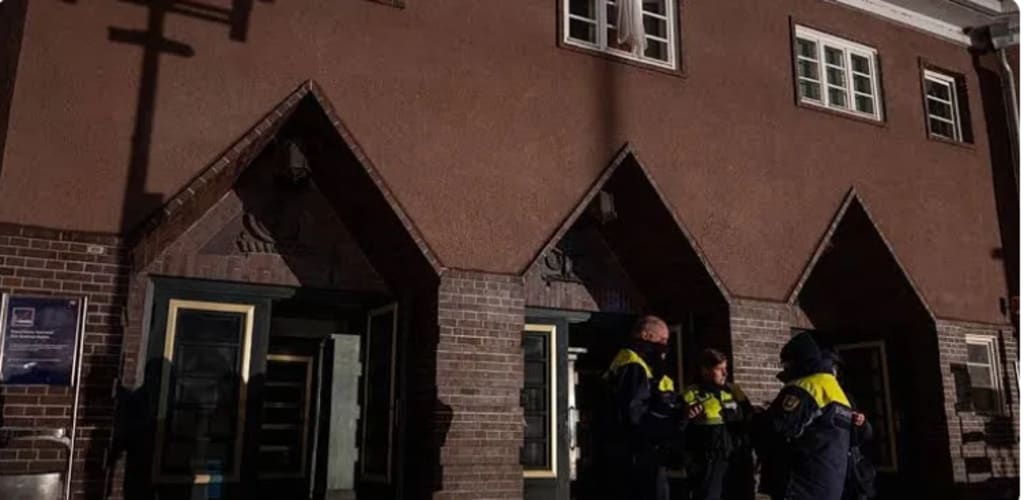
Berlin, one of Europe’s most influential and modern capitals, was shaken this week after a major power outage left around 45,000 homes and thousands of businesses without electricity. What initially appeared to be a technical failure has now been officially described by authorities as a politically motivated attack, allegedly carried out by left-wing extremists. The incident has raised serious concerns about the safety of critical infrastructure and the consequences of ideological extremism.
The Incident That Left Thousands in the Dark
The blackout occurred in southwest Berlin when a fire severely damaged high-voltage power cables near an important electricity distribution site. Emergency services responded quickly, but the damage was already extensive. Entire neighborhoods were plunged into darkness, with residents losing access to electricity, heating, internet services, and in some cases, water pumps that rely on power.
Berlin’s electricity grid operator confirmed that the outage affected approximately 45,000 households and more than 2,000 commercial properties. While some areas had power restored within 24 hours, tens of thousands of residents remained without electricity for days due to the complexity of the repairs.
Authorities Point to Political Motivation
As investigations progressed, German authorities stated that the fire was not accidental. Police and security officials classified the incident as arson, carried out with political intent. Statements from city officials, including Berlin’s mayor, emphasized that the attack posed a direct threat to public safety and crossed a dangerous line.
Investigators are examining a message circulated online in which a group claiming responsibility framed the attack as a protest against energy policies and fossil fuel use. Authorities have linked the group to left-wing extremist ideology, although the authenticity of the claim is still under review.
Regardless of who ultimately proves responsible, officials have been clear on one point: deliberately attacking infrastructure that millions depend on is a serious criminal act, not a legitimate form of protest.
Human Impact: Cold Homes and Disrupted Lives
The outage came during winter, amplifying its impact. With temperatures near freezing, many residents found themselves without heat or hot water. For families with children, elderly residents, and people dependent on medical equipment, the situation quickly became critical.
Local authorities opened emergency warming centers, converting sports halls and community buildings into temporary shelters. Residents were encouraged to seek help, charge essential devices, and stay warm. Volunteers and emergency workers worked around the clock to support vulnerable populations.
Businesses also suffered. Shops, restaurants, and small companies were forced to close, leading to lost income and spoiled goods. Public services faced disruptions, and some schools delayed reopening due to safety concerns.
A Broader Debate on Extremism and Protest
This incident has reignited a national conversation in Germany about the boundaries between protest and extremism. While Germany has a strong tradition of political activism and freedom of expression, officials stressed that sabotage and violence undermine democratic values rather than advance them.
Critics argue that extremist actions—regardless of whether they come from the far left or far right—risk alienating the public and damaging legitimate causes. Supporters of environmental activism have been quick to distance themselves from the attack, stating that peaceful protest is the only acceptable path to change.
Security experts warn that attacks on infrastructure are becoming a favored tactic among extremist groups because of their high impact and visibility. Even a single act of sabotage can disrupt daily life for tens of thousands of people.
Infrastructure Security Under Scrutiny
The Berlin blackout has exposed vulnerabilities in the protection of critical infrastructure, including power grids, transport systems, and communication networks. Politicians are now calling for stronger security measures, better surveillance, and faster emergency response systems.
Germany, like many modern societies, relies on complex and interconnected systems. While this efficiency benefits daily life, it also creates risks when those systems are targeted. The attack has prompted discussions about increased investment in infrastructure protection and intelligence monitoring of extremist groups.
Recovery and Moving Forward
Repair crews have been working continuously to restore power, replacing damaged cables and inspecting nearby installations for further risks. Officials have acknowledged that full restoration may take time but emphasized that safety remains the top priority.
Beyond the technical recovery, Berlin now faces a deeper challenge: rebuilding public confidence. Residents are asking how such an attack could happen and what steps are being taken to prevent future incidents.
Final Thoughts
The blackout that left 45,000 homes in Berlin without power is more than a temporary disruption—it is a warning. When political ideology turns into destructive action, ordinary people suffer the consequences. Warm homes become cold, businesses grind to a halt, and public trust is shaken.
As Berlin restores its power, the broader lesson remains clear: protecting critical infrastructure is essential to protecting society itself. Political debate and protest are cornerstones of democracy, but violence and sabotage threaten the very systems that allow those freedoms to exist.
The coming weeks will reveal more about who was responsible and how Germany plans to respond. What is already certain is that this incident has left a lasting mark on Berlin—and a powerful reminder of the real-world impact of extremism.
About the Creator
Keep reading
More stories from Aqib Hussain and writers in The Swamp and other communities.
Police Identify 16 More Victims of Swiss Bar Fire
In the aftermath of the devastating fire at a popular Swiss bar, authorities have confirmed the identities of 16 more victims, increasing the total number of casualties to an alarming number. The tragedy, which occurred in the early hours of the morning, has sent shockwaves through the local community and beyond, as families and friends of those affected seek answers and closure.
By Aqib Hussain7 days ago in The Swamp
Violence Begets
"Any last words, cowboy?" "None you'd understand, sodbuster." "Funny. That's Marshall Sodbuster to you. But I meant some last nugget that would help us in the adjudication of the myriad offenses counted against you and your gang. I wasn't asking for penitence."
By Adam Diehl4 days ago in Fiction


Comments
There are no comments for this story
Be the first to respond and start the conversation.