
White Label Debit Cards: Unlocking New Revenue Streams
White Label Debit Cards
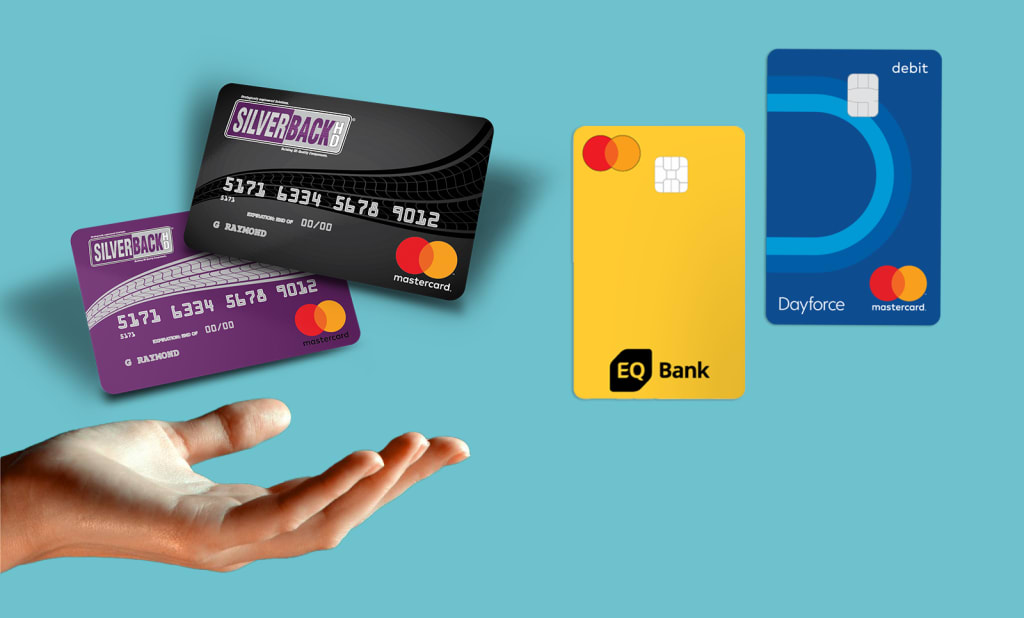
White label debit cards are transforming how businesses can offer personalized, branded financial services without needing their own banking infrastructure. From boosting brand loyalty to opening up new revenue streams, these cards empower companies to provide their customers with a unique, seamless payment experience. This article explores what white label debit cards are, how they work, and how they’re changing the landscape of customer engagement.
What is a White Label Debit Card?
A white label debit card is a debit card issued by a financial institution or service provider, branded with the logo, colors, and design of a partnering company. Although the issuing institution handles the backend infrastructure and compliance, the card appears to customers as an extension of the business's brand. White label cards allow businesses to offer financial products under their own brand, strengthening customer relationships without the regulatory and operational challenges of running a bank.
How White Label Debit Cards Work
The process behind white label debit cards typically involves a partnership between a business and a financial services provider or a fintech company that specializes in card issuing. The provider manages the technical, regulatory, and transactional aspects, including payment processing and fraud protection. Meanwhile, the business handles branding, distribution, and customer service. Through this collaboration, businesses can quickly deploy debit cards with minimal upfront investment, creating a seamless and customized user experience.
Benefits of White Label Debit Cards for Businesses
White label debit cards offer numerous advantages, starting with increased brand loyalty. When customers use a branded card, they’re more likely to feel connected to the business, encouraging repeat engagement. Additionally, these cards open up new revenue streams through transaction fees, interchange fees, and other incentives offered by the card provider. Businesses can also gain valuable insights into customer spending patterns, helping them to refine their marketing strategies. For many companies, the card serves as a direct channel to offer rewards, cashback, or exclusive perks, which further boosts customer satisfaction.
Types of Businesses Benefiting from White Label Debit Cards
White label debit cards are popular across various sectors, including retail, travel, fintech, e-commerce, and even social media platforms. Retailers can use branded debit cards to reward loyal customers, while travel companies can offer exclusive travel-related perks through a branded card. Fintech startups often utilize white label debit cards to provide customers with unique financial solutions, such as crypto-to-cash conversions or budget-tracking features. E-commerce platforms can enhance customer convenience and loyalty by offering branded cards that provide discounts or cashback on purchases.
How White Label Debit Cards Drive Customer Engagement
White label debit cards offer a direct way for businesses to engage with their customers and keep them coming back. Companies can use these cards to create loyalty programs, where users earn rewards or points that can be redeemed within the business ecosystem. Additionally, brands can use transaction data to create targeted offers based on customer behavior. These personalized experiences foster a stronger relationship between the business and the customer, leading to increased loyalty and long-term retention.
Revenue Opportunities
White label debit cards create various revenue opportunities beyond traditional product sales. One primary source of income is interchange fees, which are a percentage of each transaction that the business earns. Additionally, companies can charge card activation fees, monthly service fees, or inactivity fees, depending on the business model. Some businesses also leverage partnerships with other vendors to offer special deals or cashback offers that bring in additional revenue. These revenue streams provide businesses with a steady income while offering value to their customers.
Key Considerations When Choosing a White Label Debit Card Provider
When selecting a provider, businesses should prioritize factors such as ease of integration, compliance support, and customization options. The provider should also offer robust security measures to protect against fraud and ensure regulatory compliance. Additionally, evaluating customer service capabilities and scalability is essential, as these factors can influence the long-term success of the card program. Lastly, reviewing the provider's fee structure and revenue-sharing model helps ensure that the business can meet its financial goals while offering a valuable service to customers
Conclusion
White label debit cards are a powerful tool for businesses looking to deepen customer engagement, enhance loyalty, and tap into new revenue streams. By partnering with an experienced provider, companies across industries can leverage these cards to offer secure, branded financial services that align with their business goals. As digital finance evolves, white label debit cards will play an essential role in connecting brands with customers in a meaningful, seamless way, making them a valuable asset for any forward-thinking business.
About the Creator
Crypto Wallets: The Complete Guide to Securely Storing Digital Assets
Introduction: Why Crypto Wallets Matter More Than Ever Crypto wallets are the backbone of the digital asset economy. Whether you trade daily, invest long-term, or simply hold Bitcoin and altcoins, your crypto wallet determines how safely and efficiently you control your funds. Unlike traditional banks, crypto puts you in charge. That freedom also comes with responsibility.
By saif ullah3 days ago in The Chain




Comments
There are no comments for this story
Be the first to respond and start the conversation.