
What is Crypto Asset Management?
Crypto Asset Management
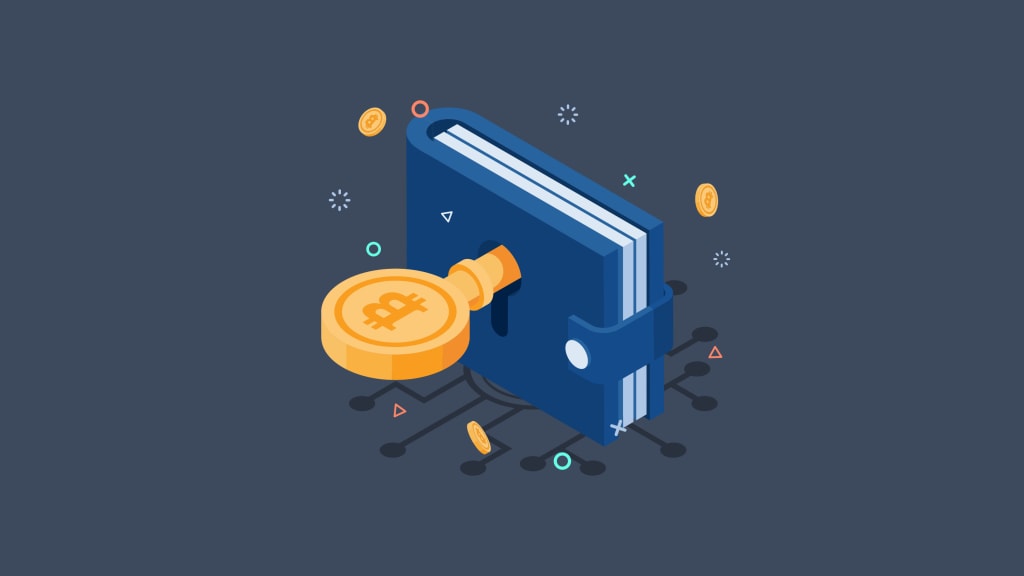
Crypto asset management is the practice of handling digital assets, including cryptocurrencies like Bitcoin, Ethereum, and other tokens, as part of a financial portfolio. It involves a range of activities, from buying and selling crypto assets to tracking their performance and managing risks.
Crypto asset management typically focuses on:
Portfolio diversification
Risk management
Maximizing returns
Security of assets
Tax optimization
Automated trading
This form of asset management can be done manually or through the use of sophisticated software and platforms designed to assist with decision-making, portfolio tracking, and security.
Importance of Crypto Asset Management
Cryptocurrencies are known for their high volatility, which can lead to significant profits or losses within short periods. Crypto asset management is crucial for investors because it helps balance risk and reward by strategically diversifying investments and managing exposure to different types of assets.
Here’s why crypto asset management is essential:
Security of Assets: Proper asset management ensures your crypto holdings are stored securely, reducing the risk of theft or loss.
Efficient Portfolio Management: Monitoring and rebalancing your portfolio ensures that you’re optimizing for potential gains while mitigating risks.
Automation: Automated tools help manage assets with minimal intervention, making the process easier and more efficient for investors.
Informed Decision Making: Professional crypto asset managers or platforms can provide data-driven insights and analysis to help investors make more informed decisions.
Compliance and Reporting: Crypto asset management tools help ensure that you remain compliant with tax regulations and reporting requirements.
Crypto Asset Management Strategies
Effective crypto asset management requires a well-thought-out strategy. Here are some common strategies that successful investors use to manage their crypto portfolios:
1. Diversification
Just like with traditional investments, diversification is key to reducing risk in a crypto portfolio. A diversified portfolio might include:
Major cryptocurrencies like Bitcoin (BTC) and Ethereum (ETH)
Stablecoins such as USDT or USDC
Altcoins (alternative cryptocurrencies) with growth potential, such as Solana (SOL) or Polkadot (DOT)
NFTs or other tokenized assets
Diversifying across different asset classes helps spread risk and increases the chances of capturing potential gains from various sectors of the market.
2. Dollar-Cost Averaging (DCA)
Dollar-cost averaging is a strategy where you invest a fixed amount of money in a cryptocurrency at regular intervals, regardless of its price. This approach reduces the impact of market volatility by averaging out the price over time. It’s a great strategy for long-term investors looking to accumulate assets without trying to time the market.
3. HODLing
The HODL (Hold On for Dear Life) strategy involves holding onto assets for an extended period, regardless of short-term market fluctuations. This approach works well for long-term investors who believe in the future value of their chosen cryptocurrencies. HODLing helps avoid panic selling during market dips.
4. Yield Farming and Staking
For more experienced investors, yield farming and staking are ways to earn passive income from crypto assets. Staking involves locking up crypto in a wallet to support network operations (like validating transactions) in exchange for rewards. Yield farming, common in DeFi, involves lending crypto to liquidity pools in exchange for interest or token rewards.
5. Risk Management and Rebalancing
A critical aspect of crypto asset management is risk management. Monitoring your portfolio regularly and rebalancing it based on changing market conditions is crucial. If one asset grows to become a large portion of your portfolio, it might be time to rebalance to avoid overexposure to that asset.
Risks in Crypto Asset Management
Cryptocurrency investments come with several risks that need to be carefully managed. Here are some of the primary risks in crypto asset management:
1. Volatility
The cryptocurrency market is notorious for its extreme price volatility. Prices can swing wildly in a short time, leading to both rapid gains and losses. Managing this volatility through diversification, hedging, and rebalancing is crucial for successful crypto asset management.
2. Security Threats
Crypto assets are frequently targeted by hackers, especially when stored in online (hot) wallets. Ensuring assets are stored in cold wallets (offline storage) and using multi-signature wallets or MPC (multi-party computation) for additional security can mitigate these risks.
3. Regulatory Risks
Cryptocurrencies operate in a rapidly evolving regulatory environment. Governments across the world are implementing various regulations for crypto trading, taxation, and reporting. Keeping up with these regulatory changes is essential to avoid legal complications.
4. Liquidity Risks
Certain cryptocurrencies or DeFi assets may face liquidity issues, meaning you may have difficulty buying or selling them at the desired price. This is particularly true for smaller or less-established tokens.
5. Technological Risks
Blockchain technology is still relatively new and evolving. There is always the risk of technical failures, bugs, or network vulnerabilities, which could lead to asset loss or compromised security.
Security Best Practices in Crypto Asset Management
Given the high stakes involved in crypto asset management, security is a top concern. Here are some best practices to ensure your digital assets are protected:
1. Use Cold Storage
For long-term holdings, using cold storage or hardware wallets is one of the safest ways to store cryptocurrencies. Cold wallets are not connected to the internet, making them immune to online hacking attempts.
2. Multi-Signature Wallets
Multi-signature wallets require multiple private keys to authorize a transaction. This adds an extra layer of security, especially for institutions managing large portfolios.
3. Enable Two-Factor Authentication (2FA)
Always enable two-factor authentication (2FA) on exchanges, wallets, and asset management platforms. 2FA provides an additional layer of security beyond just a username and password.
4. Backup and Recovery Plans
Make sure you have a solid backup and recovery plan for your private keys and wallet information. Losing access to your private keys can mean permanent loss of your crypto assets.
5. Regular Audits
Regularly audit your security practices and assess whether your current systems are sufficient to handle the risks associated with your crypto holdings.
Conclusion: Why Crypto Asset Management is Essential
As cryptocurrencies continue to gain popularity, crypto asset management is becoming increasingly important for investors seeking to optimize returns and minimize risks. By diversifying your portfolio, employing strategic trading practices, and leveraging the right tools, you can maximize your potential gains while protecting your assets.
With the right mix of security, automation, and strategic portfolio management, investors can navigate the volatile cryptocurrency market confidently. Whether you're a casual investor or an institution with
About the Creator
Crypto Wallets: The Complete Guide to Securely Storing Digital Assets
Introduction: Why Crypto Wallets Matter More Than Ever Crypto wallets are the backbone of the digital asset economy. Whether you trade daily, invest long-term, or simply hold Bitcoin and altcoins, your crypto wallet determines how safely and efficiently you control your funds. Unlike traditional banks, crypto puts you in charge. That freedom also comes with responsibility.
By saif ullah5 days ago in The Chain




Comments
There are no comments for this story
Be the first to respond and start the conversation.