
What Are The Possible Ways To Trace A Blockchain Transaction
Blockchain


Blockchain technology is revolutionizing the world of finance, data integrity, and trustless systems. While blockchain offers transparency and immutability, its pseudonymous nature can create challenges when trying to trace transactions back to real-world identities. Whether you’re investigating potential fraud, tracking stolen crypto, or conducting due diligence, understanding how to trace a blockchain transaction is essential.
This guide explores the most effective ways to trace transactions on the blockchain and how you can leverage expert help from Treqora Intel to reach actionable conclusions.
1. Use a Blockchain Explorer
A blockchain explorer is the most basic and essential tool for tracing transactions.
Popular explorers:
- Bitcoin: blockstream .info
- , btcscan .org
- Ethereum: etherscan .io
- Binance Smart Chain: bscscan .com
Steps:
- Enter the wallet address, transaction ID (TXID), or block number.
- Follow the flow of funds: incoming and outgoing transactions.
- Identify patterns or connections to known entities (e.g., exchanges).
2. Identify Patterns and Relationships (Address Clustering)
On their own, wallet addresses don’t reveal identities—but behavioral patterns do. Address clustering involves identifying addresses that likely belong to the same user or entity. For example:
- Multiple inputs to a single transaction suggest common ownership.
- Repeated interactions with the same services or contracts can hint at identity.
- Clustering techniques are essential in fraud investigations, especially when trying to trace stolen funds through a network of wallets.
Tools that help with clustering:
- Chainalysis Reactor
- Elliptic Lens
- GraphSense (open source)
- Nansen.ai (especially for Ethereum and DeFi transactions)
These tools often use AI or heuristics to draw meaningful connections between wallets and known services such as centralized exchanges, DeFi protocols, or darknet markets.
3. Follow the Money
Look for:
- Transactions that go into known exchange wallets (might indicate cashing out).
- Coin mixing/tumbling services (indicates attempts to hide origin).
- Smart contract interactions or DeFi protocols (could help ID wallet purpose).
4. Analyze On-Chain Behavior
Patterns like:
- Transaction frequency
- Amounts
- Timing
- Interactions with DeFi, NFT, or gambling platforms
- … can help determine the purpose and possible identity of a wallet.
5. Use On-Chain Analytics Platforms
Several platforms offer more powerful, often paid, services for tracing:
Platform Capabilities
- Chainalysis Full KYC-linking, behavioral analytics, risk scores
- Nansen Wallet labeling, DeFi activity tracking
- Arkham Intelligence "Dox-to-earn", address labeling, tracing
- Elliptic AML-focused analytics
- TRM Labs Risk scoring and transaction monitoring
If you're tracing a transaction and want expert assistance, Treqora Intel offers blockchain intelligence and investigation services.
They can help with:
- Advanced Wallet Attribution – Linking addresses to known entities (like exchanges, mixers, or scammers)
- Transaction Tracing Reports – Professional reports showing the movement of funds
- Risk Scoring – Highlighting suspicious transactions or wallet behavior
- Legal/Compliance Support – Useful if you're preparing a report for legal action or due diligence
How to get help from Treqora Intel
Provide:
- The wallet address or transaction ID you're investigating.
- Any background context (e.g., suspected scam, missing funds).
- What kind of help or conclusion you’re seeking (e.g., attribution, tracing, report).
They typically respond with:
- A preliminary analysis
- A quote for deeper investigation (if needed)
- Guidance on what actions you can take next
Conclusion
Tracing a blockchain transaction is often straightforward for simple movements, but becomes complex when obfuscation techniques (like mixers or chain-hopping) are involved. Tools like explorers and analytics platforms can take you far, but for detailed attribution or legal-grade analysis, firms like Treqora Intel can help connect the final dots.
About the Creator
Keep reading
More stories from writers in The Chain and other communities.
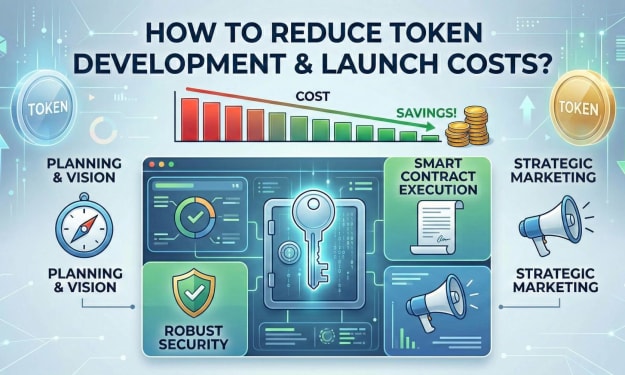
How to Reduce Crypto Token Development and Launch Costs?
Launching a crypto token often looks deceptively simple from the outside. Smart contracts can be deployed in minutes. Token standards are well documented. Marketing channels are accessible. Yet founders frequently discover that what seemed like a modest technical exercise turns into a six-figure undertaking. Development, audits, legal structuring, exchange listings, liquidity provisioning, branding, community management, and post-launch maintenance compound rapidly.
By Jennifer Atkinson2 days ago in The Chain
How Stablecoin Issuers Make Money: 12 Proven Revenue Models
Stablecoins have become a cornerstone of the digital asset ecosystem, offering price stability in an otherwise volatile market. As demand surges—from retail traders hedging risk to large institutions conducting cross-border settlements—the question arises: How Stablecoin Issuers Make Money. Unlike pure speculative tokens, stablecoins must maintain a peg to fiat or another asset, which creates unique revenue opportunities. In this post, we unpack each model, illustrate with case studies, and outline strategic considerations for issuers aiming for both profitability and trust.
By Siddarth D5 days ago in The Chain



Comments (1)