
Top NFT Game Marketing Strategies to Win Big in 2025
Unlock Proven Tactics to Boost Player Engagement and Drive Sales in the NFT Gaming Space

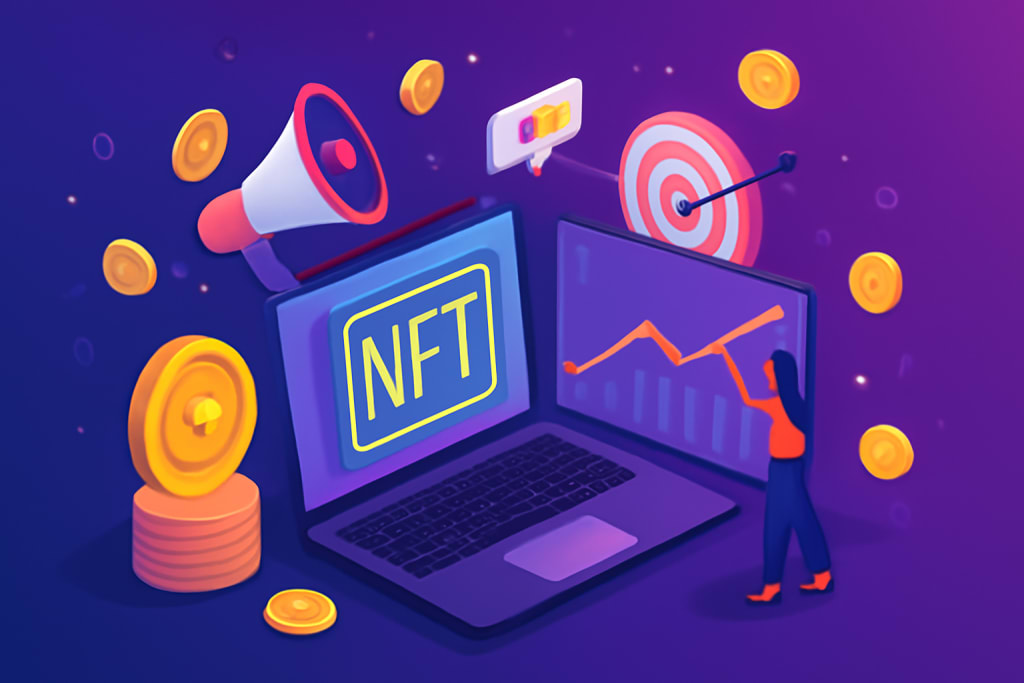
NFT (Non-Fungible Token) games have transformed the gaming industry by introducing blockchain-based digital assets that players can own, trade, and monetize. These games have gained massive popularity due to their play-to-earn (P2E) mechanics, decentralized economies, and integration with Web3 technologies.
As we enter 2025, the NFT gaming market continues to expand, with more developers and investors jumping into the space.However, the challenge for NFT game developers is standing out in an increasingly competitive market. Unlike traditional games, NFT game marketing requires a mix of conventional gaming promotion strategies and Web3-focused approaches such as community-driven NFT marketing, decentralized finance (DeFi) integrations, and blockchain-powered advertising.
What Are NFT Games?
NFT games leverage blockchain technology to create in-game assets that players can truly own. Unlike traditional video games, where in-game items are controlled by developers, NFT games give players full ownership of their digital assets, which can be traded, sold, or used across multiple platforms. These assets are stored as non-fungible tokens (NFTs) on a blockchain, ensuring security, transparency, and authenticity.
Key Features of NFT Games:
True Ownership: Players own their in-game assets as blockchain-based NFTs, meaning they can buy, sell, or trade them freely.
Play-to-Earn (P2E): Many NFT games offer economic incentives, allowing players to earn cryptocurrency or valuable NFTs through gameplay.
Interoperability: Some NFT assets can be used across different games or metaverse environments, increasing their utility.
Decentralized Economy: NFT games integrate blockchain technology and smart contracts to facilitate peer-to-peer transactions without intermediaries.
TOP NFT Gaming Marketing Strategies
1. Identifying Your Target Audience
Understanding your target audience is the cornerstone of an effective NFT game marketing strategy. A well-defined audience ensures that promotional efforts resonate with the right individuals, increasing engagement and boosting conversions. Players typically fall into three main categories, each with distinct motivations, preferences, and expectations:
- Crypto Enthusiasts – These are individuals already invested in blockchain technology and NFTs. They appreciate decentralized ownership, token utility, and the potential for digital asset appreciation.
- Traditional Gamers – They prioritize immersive gameplay and engaging mechanics, often needing additional incentives to explore NFTs. Appealing to them requires emphasizing the game’s quality rather than just its blockchain elements.
- Investors & Collectors – They see NFTs as digital assets with long-term financial potential. They seek exclusivity, scarcity, and value appreciation.
2. Building a Strong Community
A vibrant and engaged community is the backbone of any successful NFT game. Unlike traditional games, NFT games thrive on player-driven ecosystems where social interactions, marketplace activity, and long-term engagement fuel the project’s growth. A strong community fosters trust, loyalty, and organic promotion, turning players into brand ambassadors who actively contribute to the game’s success.
Best Platforms for Community Building:
- Discord – Ideal for real-time discussions, updates, and AMA (Ask Me Anything) sessions.
- Telegram – Effective for quick announcements and direct interactions.
- Reddit – Great for in-depth discussions, subreddit management, and content sharing.
Engagement Strategies:
Organize exclusive NFT giveaways to reward loyal community members.
Conduct polls and surveys to collect player feedback and shape development.
Share behind-the-scenes content to create excitement and transparency.
3. Leveraging Social Media Platforms
Social media is a powerful tool for NFT game marketing, offering various channels to engage with different audience segments. By strategically using multiple platforms, developers and marketers can build brand awareness, generate hype, and foster a loyal community.
Best Platforms for NFT Game Promotion:
- Twitter – Best for real-time updates, trends, and influencer collaborations.
- Instagram – Ideal for sharing visually compelling content, such as character designs.
- TikTok – Engaging for short-form videos, viral challenges, and previews.
Tips for Social Media Success:
Use eye-catching visuals and videos to attract attention.
Collaborate with influencers to expand reach.
Maintain consistent posting schedules and interact with followers to boost engagement.
4. Influencer and Affiliate Marketing
Influencers and affiliates play a crucial role in the success of NFT games by providing credibility, expanding reach, and driving user adoption. A well-executed strategy leverages their authority to generate buzz, educate potential players, and build trust within gaming and crypto communities.
Choosing the Right Influencers:
- Select influencers deeply involved in gaming or NFTs with engaged audiences.
- Analyze their previous collaborations and engagement rates to ensure effectiveness.
- Partner with influencers who align with the game’s values and brand identity.
Affiliate Marketing Strategies:
- Offer commissions for referrals and in-game purchases.
- Reward top affiliates with exclusive NFTs for additional motivation.
- Use blockchain analytics tools to track affiliate performance and optimize partnerships.
5. Content Marketing Strategies
High-quality content is essential for educating, attracting, and engaging potential players. Since NFT gaming combines blockchain technology with interactive gameplay, content marketing helps bridge the knowledge gap, generate hype, and establish authority in the space. A strong content strategy drives organic traffic, boosts community engagement, and improves game visibility.
Types of Content to Create:
- Blog Posts – Cover NFT gaming trends, gameplay strategies, and updates.
- YouTube Videos – Provide game tutorials, development insights, and testimonials.
- Podcasts & Interviews – Discuss industry trends and mechanics with experts.
6. Search Engine Optimization (SEO)
SEO is a critical component of NFT game marketing, as it enhances visibility on search engines and drives organic traffic to the game’s website. By optimizing content and improving website performance, NFT game developers can attract potential players, investors, and enthusiasts without relying solely on paid promotions.
Key SEO Strategies:
- Optimize website content with keywords like “best NFT games” and “play-to-earn.”
- Improve website speed and mobile responsiveness for better user experience.
- Acquire backlinks from authoritative gaming and crypto websites.
7. Paid Advertising Campaigns
While organic marketing strategies are crucial for NFT game growth, paid advertising provides an immediate boost in exposure, accelerating user acquisition and engagement. A well-structured ad strategy ensures that the game reaches the right audience while maximizing return on investment (ROI).
Best Advertising Channels:
- Google Ads – Targets search terms relevant to NFT gaming.
- Social Media Ads – Facebook, Instagram, and Twitter campaigns enhance visibility.
- Crypto Ad Networks – Platforms like Coinzilla and Bitmedia specialize in blockchain-focused ads.
8. Hosting Virtual Events and Webinars
Virtual events are a powerful way to generate excitement, foster engagement, and strengthen the NFT gaming community. They provide direct interaction with potential players, investors, and influencers while promoting the game in a dynamic and interactive format.
Popular Virtual Events:
- Game Launch Events – Showcase game mechanics and features.
- Developer AMA Sessions – Address community questions and concerns.
- Live Tournaments & Competitions – Encourage social participation and sharing.
9. Utilizing Gamification in Marketing
Gamification is a powerful strategy that transforms marketing into an interactive, engaging, and rewarding experience. By integrating game-like elements into marketing campaigns, NFT game developers can boost player participation, improve retention, and encourage organic growth.
Examples of Gamified Marketing:
- Reward players with free NFTs for participating in referral programs.
- Implement daily login rewards to encourage consistent engagement.
- Use interactive quizzes and contests to captivate potential players.
10. Collaborations and Partnerships
Strategic collaborations and partnerships are essential for expanding an NFT game’s reach, increasing credibility, and tapping into new player communities. By aligning with the right partners, NFT game developers can gain exposure, enhance gameplay experiences, and strengthen their brand presence in the Web3 space.
Types of Collaborations:
- Cross-Promotions – Partner with other blockchain games or NFT projects.
- Brand Sponsorships – Work with Web3 brands for exposure.
- Metaverse Integrations – Feature in-game assets across multiple virtual worlds.
11. Measuring and Analyzing Success
Tracking key performance indicators (KPIs) is essential for evaluating the effectiveness of marketing strategies, optimizing campaigns, and ensuring long-term growth for an NFT game. By analyzing data-driven insights, developers can refine their marketing approach and maximize user engagement.
Important Metrics to Monitor:
- User Acquisition Rate – Measures new player sign-ups.
- Engagement Rate – Tracks social media and community interactions.
- Retention Rate – Indicates the percentage of players who continue playing.
- Conversion Rate – Measures marketing campaign effectiveness.
The Future of NFT Game Marketing
As the NFT gaming industry continues to evolve, marketing strategies must adapt to new technologies, player expectations, and industry trends. The future of NFT game marketing will be defined by innovation, personalization, and sustainability, ensuring that games remain competitive in an ever-expanding Web3 ecosystem.
Key Trends Shaping the Future
1. AI-Driven Marketing & Personalization
Artificial intelligence is revolutionizing how NFT games engage with players, offering data-driven insights and tailored marketing strategies.
AI-powered recommendations will enhance in-game purchases, NFT suggestions, and personalized rewards.
Automated chatbots and AI-driven assistants will improve customer engagement and community interactions.
Predictive analytics will help developers understand player behavior and optimize retention strategies.
2. The Rise of the Metaverse & Cross-Platform Integration
NFT games will expand beyond isolated ecosystems, integrating into interconnected virtual worlds and cross-platform experiences.
Interoperable NFTs will allow players to use digital assets across multiple games and metaverse platforms.
Virtual events, tournaments, and social hubs will drive deeper engagement in digital worlds.
Strategic partnerships with metaverse projects will boost visibility and adoption.
3. Sustainable & Eco-Friendly NFT Gaming
With growing concerns over blockchain energy consumption, the future of NFT gaming will prioritize sustainability and eco-conscious solutions.
Adopting energy-efficient blockchains (Solana, Polygon, Immutable X) will reduce environmental impact.
Carbon offset initiatives will help attract eco-conscious players.
Play-to-contribute models may emerge, where players participate in sustainability efforts through gameplay.
4. Enhanced Player Ownership & DAO Governance
Decentralization will empower players with more control over game development and decision-making.
Decentralized Autonomous Organizations (DAOs) will allow communities to vote on updates and governance.
Tokenized game economies will give players real influence over in-game assets and ecosystems.
Crowdsourced development models may emerge, where players contribute to game evolution.
5. The Evolution of Influencer & Community-Driven Marketing
Influencers and gaming communities will play an even bigger role in NFT game adoption.
Decentralized influencer marketing will leverage blockchain-based reputation systems for transparent partnerships.
Community-led content creation will drive organic growth through UGC (user-generated content).
Web3-native social platforms will enhance engagement and reward community participation.
Conclusion
Marketing an NFT game requires a multi-faceted approach, blending community engagement, influencer partnerships, social media strategies, content marketing, and paid advertisements. By understanding the target audience, leveraging the right marketing channels, and continuously optimizing campaigns, developers can successfully launch and sustain their NFT games in 2025.
The future of NFT gaming is promising, and with the right marketing strategies, any game can carve out its space in the ever-growing blockchain gaming ecosystem.
About the Creator
Gabrielle
Blockchain enthusiast and NFT writer dedicated to merging technology with art on decentralized platforms, driving innovation for a creative future. Embracing the potential of digital expression.
Eco-Friendly Cryptocurrency: Building a Sustainable Future for Digital Finance
The rapid growth of digital assets has transformed global finance, but it has also raised serious concerns about environmental sustainability. Traditional blockchain networks—especially those relying on energy-intensive mining—have drawn criticism for their high electricity consumption and carbon footprint. In response, a new wave of innovation has emerged: eco-friendly cryptocurrency.
By Siddarth D6 days ago in The Chain
How Bitcoin Mining Software Works: A Complete Step-by-Step Guide
Bitcoin has become one of the most widely recognized digital currencies in the world. Since its introduction, it has transformed the way people think about money, decentralization, and digital assets. Behind the Bitcoin network lies a powerful process known as mining, which keeps the system secure and operational. For beginners who want to explore this process, understanding Bitcoin mining software is an important first step.
By smithtaylor7 days ago in The Chain


Comments
There are no comments for this story
Be the first to respond and start the conversation.