
Solana vs Ethereum: Which Blockchain Leads in Speed, Security, and Scalability for 2025?
Solana vs Ethereum stands out as the biggest rivalry shaking up the blockchain world today

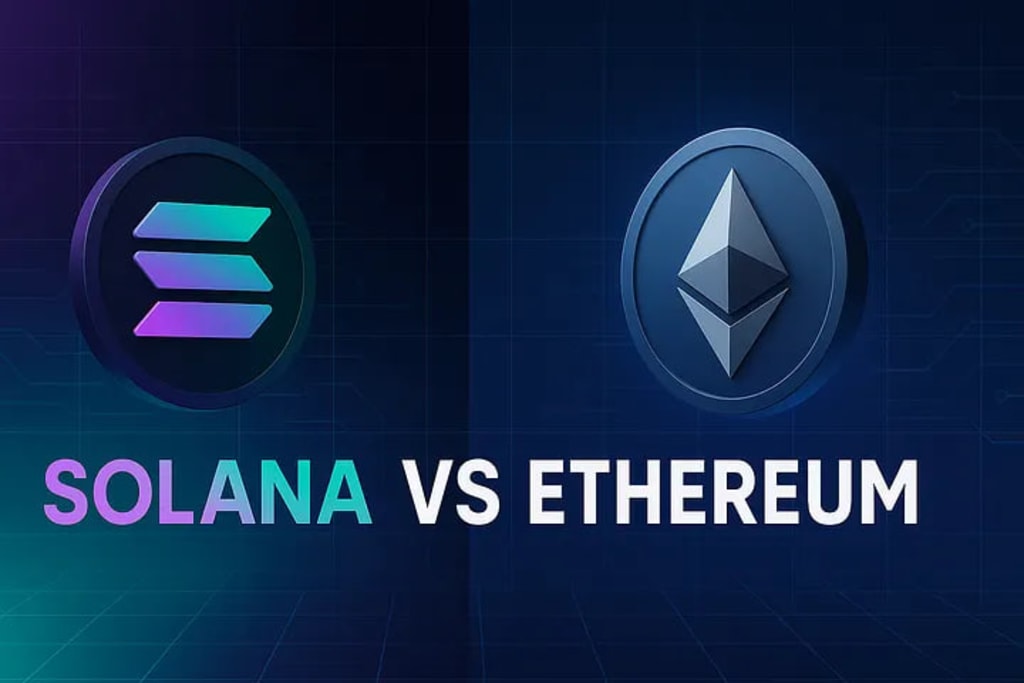
Solana vs Ethereum stands out as the biggest rivalry shaking up the blockchain world today. One’s built like a tank for long-haul reliability, while the other zips ahead like a race car chasing quick wins. If you’re deciding where to park your money or build your next project, understanding their core differences matters more than ever heading into 2025.
Breaking Down the Tech: How They Work Under the Hood
Let’s get straight to the basics without beating around the bush. Ethereum runs on a Proof-of-Stake system, where validators lock up coins to secure the network and earn rewards. It’s like a community vote where the biggest stakeholders have the loudest say, but it’s designed to keep things fair and energy-efficient. Developers code in Solidity, a language that’s straightforward for smart contracts, making it a go-to for complex apps.
Solana flips the script with its Proof-of-History twist on Proof-of-Stake. This setup timestamps transactions before they’re even validated, slashing wait times and boosting efficiency. Programmers use Rust or C++, which are powerhouse languages for high-performance tasks. The result? A network that feels nimble and ready for massive scale, but it demands beefier hardware from validators — think high-end servers to handle the load.
The tech gap shows in real-world use. Ethereum’s main chain handles smart contracts like a pro, but it can bog down under heavy traffic. Solana aims to fix that by processing blocks in parallel, letting it juggle thousands of operations at once. Yet, this speed comes with trade-offs we’ll hit later.
Performance Showdown: Speed and Scalability Face-Off
Speed is where Solana pulls ahead big time. It clocks in at over 4,000 transactions per second on average, with peaks hitting 65,000 TPS in tests. That’s a game-changer for apps needing instant responses, like trading platforms or games. Ethereum’s base layer? It tops out around 13 to 30 TPS, which feels sluggish by comparison.
But Ethereum isn’t sitting idle. Its Layer 2 solutions — like Optimism or Arbitrum — crank up scalability by bundling transactions off the main chain. These rollups can push Ethereum’s effective speed into the thousands of TPS while keeping costs down. In 2025, with upgrades like Pectra rolling out, expect even smoother performance as Ethereum tackles data blobs and better staking.
Scalability boils down to handling growth without crashing. Solana’s design lets it scale horizontally, adding more nodes to pump up capacity. Ethereum relies on sharding and L2s to spread the load. Real talk: Solana’s handled spikes in memecoin frenzy better lately, but Ethereum’s ecosystem absorbs institutional flows without breaking a sweat. For everyday users, Solana feels faster for quick trades, while Ethereum shines in complex DeFi maneuvers.
Cost Breakdown: Fees That Make or Break Adoption
Nobody likes getting nickel-and-dimed on transactions. Solana wins hands-down here with average fees around $0.00025 per swap — basically pennies. It’s perfect for microtransactions or high-volume bots without burning through your wallet. Ethereum’s gas fees? They fluctuate wildly, sometimes spiking to dollars during peak hours, though L2s drop that to cents.
Why the difference? Solana’s efficient consensus skips the bidding wars that drive up Ethereum costs. But Ethereum’s burning mechanism — where fees get destroyed — adds deflationary pressure, potentially boosting ETH’s value over time. In 2025, as more apps migrate to L2s, Ethereum’s fee pain could ease, making it competitive again. Still, for budget-conscious devs or traders, Solana’s low costs drive faster adoption in niches like NFTs and gaming.
Ecosystem Growth: DeFi, NFTs, and Real-World Use
Ethereum’s ecosystem is a beast — over 45,000 dApps, dominating DeFi with billions in locked value. Think Uniswap for swaps or Aave for lending; it’s the hub for serious finance. NFTs started here too, with collections like CryptoPunks setting the standard. Institutional players love it for its maturity, especially with ETFs pulling in fresh capital.
Solana’s catching up fast, especially in 2025. Its DeFi TVL has surged, hitting spots where it rivals Ethereum in daily active users during hype cycles. Memecoins thrive here thanks to speed, and NFT marketplaces like Magic Eden pull in creators with cheap minting. Gaming projects flock to Solana for seamless experiences — no waiting for turns in play-to-earn setups. Adoption metrics show Solana generating more app revenue lately, like $207 million vs Ethereum’s $90 million in a recent 30-day stretch.
User bases tell the story too. Ethereum boasts millions of wallets from years of building, while Solana’s exploded with retail traders chasing quick gains. For 2025, expect Solana to dominate fast-paced sectors like social tokens, but Ethereum holds the fort in enterprise-grade stuff, like tokenized assets from big banks.
Security and Reliability: The Trust Factor
Security isn’t sexy until something goes wrong. Ethereum’s got a rock-solid track record: 100% uptime, decentralized validators (over a million), and battle-tested against hacks. Its PoS shift cut energy use and beefed up defenses, making it a safe bet for high-stakes DeFi.
Solana’s had rough patches — multiple outages from spam attacks or software bugs, halting the network for hours. Critics point to its smaller validator set, which feels more centralized and vulnerable. While fixes like Firedancer aim to stabilize things, Ethereum’s decentralization gives it an edge in trust. Staking yields highlight this: Solana offers 7–8% APY vs Ethereum’s 3–4%, rewarding risk-takers but signaling potential instability.
In 2025, as cyber threats evolve, Ethereum’s maturity could pull ahead for institutions wary of downtime. Solana’s working on it, but reliability remains a key battleground.
Market Outlook: Prices, Yields, and 2025 Predictions
Market caps paint a clear picture: Ethereum sits at hundreds of billions, dwarfing Solana’s but Solana’s grown faster percentage-wise. Staking draws crowds — Solana’s higher yields (around 8%) attract holders seeking passive income, while Ethereum’s lower rates (3.5%) reflect its stability.
Price forecasts for 2025? Analysts see Solana climbing to $400–600 if memecoin mania and DeFi growth continue. Ethereum could hit $5,000–6,000, fueled by ETF inflows and upgrades. Trading volumes favor Solana in retail spots, but Ethereum leads in institutional plays.
Looking ahead, Solana might shine in consumer apps like mobile payments, while Ethereum dominates tokenized real estate or supply chains. Both could coexist, but Ethereum’s network effects give it staying power.
Wrapping It Up: Picking a Winner in the Solana vs Ethereum Debate
Choosing between Solana and Ethereum depends on what you need. Crave blistering speed for trading or NFTs? Go Solana — it’s cheaper and snappier for everyday use. Prioritize ironclad security and a massive ecosystem? Ethereum’s your pick, especially with L2s closing the performance gap.
In 2025, don’t bet against either. Solana’s undervalued edge in speed could steal more market share, but Ethereum’s decentralization and adoption keep it king. Diversify if you can; the real win is riding both waves in this evolving space. Keep an eye on upgrades — they’ll decide who pulls ahead next.
About the Creator
Mohammad Shahpari
Digital Marketer ✍️ Professional Crypto Content Creator | Writer, Strategist & Crypto Enthusiast
Keep reading
More stories from Mohammad Shahpari and writers in The Chain and other communities.
Maestro Trading Bot Review: Settings, Networks, and Top Alternatives
Maestro Trading Bot stands out as a powerhouse for crypto traders chasing quick wins in DeFi markets. If you're tired of missing launches or getting stuck in slow trades, this tool packs the speed and smarts to keep you ahead. Built right into Telegram, it handles everything from sniping new tokens to tracking whales without forcing you to juggle apps. Over the years, it's grown into a reliable pick for both newbies dipping their toes and pros grinding daily trades. Let's break down what it offers, how to tweak it for max gains, the chains it runs on, and some solid swaps if it doesn't fit your style.
By Mohammad Shahpari4 months ago in The Chain
Crypto Wallets: The Complete Guide to Securely Storing Digital Assets
Introduction: Why Crypto Wallets Matter More Than Ever Crypto wallets are the backbone of the digital asset economy. Whether you trade daily, invest long-term, or simply hold Bitcoin and altcoins, your crypto wallet determines how safely and efficiently you control your funds. Unlike traditional banks, crypto puts you in charge. That freedom also comes with responsibility.
By saif ullah4 days ago in The Chain


Comments
There are no comments for this story
Be the first to respond and start the conversation.