
Self-Custody Wallets: A Comprehensive Guide to Secure and Independent Crypto Storage
Self-Custody Wallets
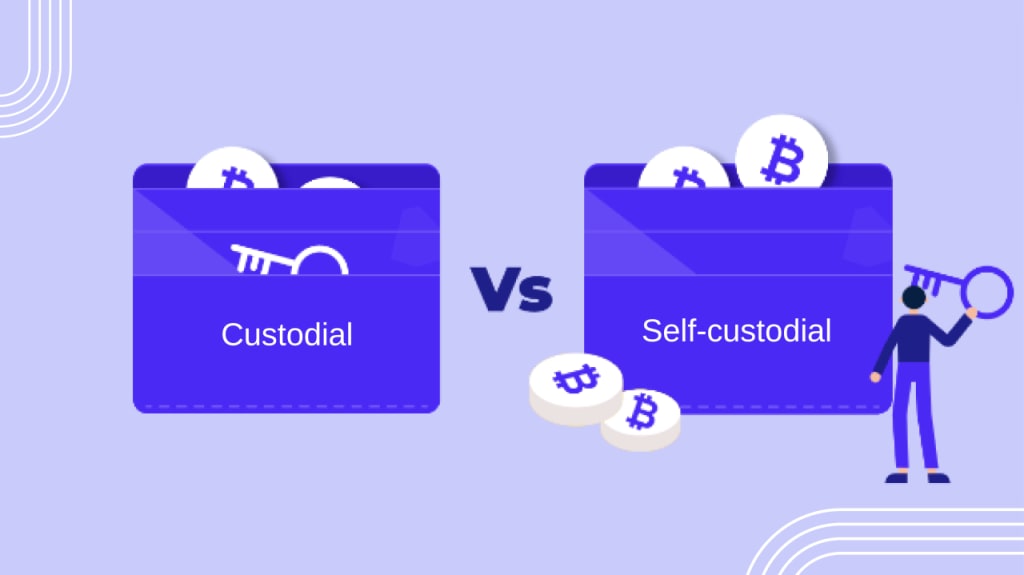
A self-custody wallet, often referred to as a non-custodial wallet, is a digital wallet that gives users complete control over their cryptocurrency assets. Unlike custodial wallets, where a third party, such as an exchange, holds the private keys and has custody of the assets, self-custody wallets enable users to generate and store their private keys, giving them direct access to their funds. This type of wallet is essential for those who value privacy, autonomy, and security, as it eliminates dependency on intermediaries and allows full ownership of digital assets.
2. How Self-Custody Wallets Work
In a self-custody wallet, users manage their own private keys, which are cryptographic signatures needed to authorize transactions on the blockchain. When a wallet is created, it generates a private key (known only to the user) and a corresponding public address, which can be shared for receiving assets. Because the private key is the only way to access and control funds, users need to safeguard it carefully. Many wallets provide a seed phrase as a backup for the private key, which must be stored securely to recover the wallet in case of device loss.
3. Types of Self-Custody Wallets
Self-custody wallets come in various forms, including software wallets, hardware wallets, and paper wallets. Software wallets are apps or browser extensions, such as MetaMask or Exodus, that allow users to access and manage their crypto on a computer or mobile device. Hardware wallets, like Ledger or Trezor, are physical devices that store private keys offline, offering a higher level of security. Paper wallets involve printing out the private and public keys on paper. Each type has its own benefits and security considerations, but all provide self-custody by keeping the private key under the user's control.
4. Advantages of Using a Self-Custody Wallet
One of the main benefits of a self-custody wallet is complete ownership of digital assets. This level of control allows users to avoid risks associated with custodial wallets, such as exchange hacks or freezes on withdrawals. Self-custody wallets also offer enhanced privacy, as they do not require the personal information that many custodial services do. Additionally, self-custody wallets facilitate greater financial autonomy, enabling users to interact with decentralized applications (dApps) and DeFi platforms directly, without intermediary approval or restrictions on transactions.
5. Risks and Challenges of Self-Custody Wallets
While self-custody wallets offer significant benefits, they come with certain risks and responsibilities. Managing private keys means that if users lose their private key or seed phrase, they lose access to their funds permanently. There is no customer support to retrieve lost information, unlike with custodial wallets. Furthermore, security threats like phishing attacks, malware, and device theft are a concern. Users must be diligent in safeguarding their private keys and implementing strong security practices, such as enabling two-factor authentication and regularly updating wallet software.
6. Best Practices for Securing a Self-Custody Wallet
To securely manage a self-custody wallet, users should follow several best practices. Storing the private key or seed phrase in a safe, offline location—like a hardware wallet or a secure physical location—is crucial. Avoid sharing these details or storing them digitally on an internet-connected device to reduce the risk of cyber theft. Using hardware wallets for larger amounts of crypto is generally recommended, as they keep the private keys offline. Regularly updating software wallets and staying vigilant against phishing emails and malicious links is also essential for maintaining wallet security.
7. Self-Custody Wallets vs. Custodial Wallets: Key Differences
Self-custody wallets and custodial wallets serve similar purposes but have fundamental differences in control, security, and accessibility. In a custodial wallet, a third party manages the private key, which can be convenient but may introduce risks if the provider faces financial issues or gets hacked. Self-custody wallets, on the other hand, require users to manage their own private keys, offering full control and enhanced security. However, this also means greater responsibility for users, as any loss of access is irreversible. Choosing between the two depends on one’s preference for security, control, and convenience.
8. Who Should Use a Self-Custody Wallet?
Self-custody wallets are ideal for individuals who prioritize security, autonomy, and privacy in their crypto storage. They are well-suited for experienced crypto users who understand the importance of private key management and are comfortable handling this responsibility. Self-custody wallets are also a good option for those looking to engage with DeFi platforms, NFT marketplaces, and other decentralized applications, as they offer direct access without intermediary restrictions. However, novice users or those unfamiliar with private key security may prefer custodial wallets until they gain a better understanding of wallet management.
9. Popular Self-Custody Wallet Options
Several self-custody wallet options are available, each offering unique features. MetaMask is a popular browser-based wallet that supports Ethereum and other blockchains, widely used in DeFi and NFT communities. Trust Wallet, a mobile wallet that supports multiple cryptocurrencies, provides both security and convenience. For higher security, hardware wallets like Ledger and Trezor are leading choices, as they store private keys offline. Exodus, Atomic Wallet, and Mycelium are also user-friendly options for those looking for multi-currency support. Selecting the right wallet depends on the level of security, usability, and blockchain compatibility a user needs.
10. Using a Self-Custody Wallet for DeFi and NFTs
Self-custody wallets are essential for participating in decentralized finance (DeFi) and non-fungible token (NFT) ecosystems. Many DeFi platforms and NFT marketplaces require a self-custody wallet for transactions, as they function without a centralized authority. By connecting a self-custody wallet to these platforms, users can lend, borrow, swap tokens, or purchase NFTs without relying on third parties. This allows for complete control over digital assets and access to decentralized applications that are otherwise unavailable with custodial wallets, empowering users to interact freely with the blockchain ecosystem.
11. The Role of Self-Custody Wallets in Financial Sovereignty
Self-custody wallets play a crucial role in financial sovereignty, allowing individuals to manage their assets independently from traditional financial institutions. This is particularly important in regions with unstable economies, where holding assets outside of conventional banking systems can protect individuals from inflation or government restrictions. By using self-custody wallets, users can control their wealth without intermediaries, granting them a new level of financial freedom. This empowerment is one of the core principles of blockchain and cryptocurrencies, and self-custody wallets make this possible for individuals worldwide.
About the Creator
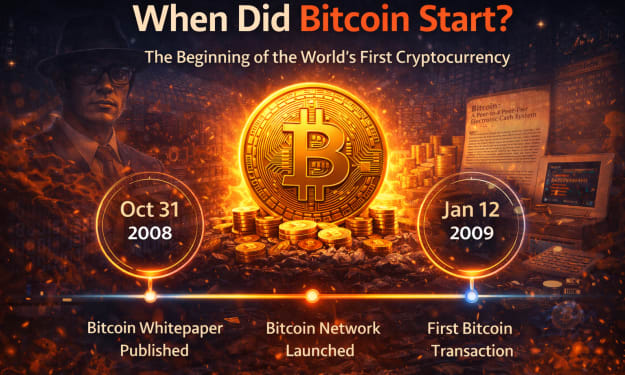
When Did Bitcoin Start? A Simple History of Bitcoin’s Beginning
Introduction Many people use Bitcoin today, but few know exactly when Bitcoin started and how quietly its journey began. Bitcoin did not launch with hype, investors, or advertisements. Instead, it emerged during a time of global financial uncertainty, offering a new idea: money without banks.
By saif ullaha day ago in The Chain
Blockchain Security: Ultimate Guide for Secure Trading & Tech
Introduction Blockchain technology has reshaped how Australians trade digital assets, manage data, and build decentralised applications. From crypto trading platforms to DeFi protocols and enterprise solutions, blockchain promises transparency, immutability, and trust. However, despite popular belief, blockchain systems are not immune to security risks. High-profile hacks, flawed smart contracts, and compromised private keys have resulted in billions of dollars lost globally, making blockchain security a top priority for traders and developers alike .
By saif ullah7 days ago in The Chain


Comments
There are no comments for this story
Be the first to respond and start the conversation.