
Regulatory Frameworks: The Key to Scalable Crypto Tokens
seed.photo

Crypto tokens are becoming foundational assets in modern finance and commerce. Once viewed as experimental instruments used by niche communities, tokens now underpin decentralized finance (DeFi) platforms, non-fungible token (NFT) ecosystems, and tokenized representations of real-world assets such as real estate, art, and commodities. Their growing utility demonstrates that blockchain-based assets are no longer peripheral—they are slowly being woven into the infrastructure of global markets.
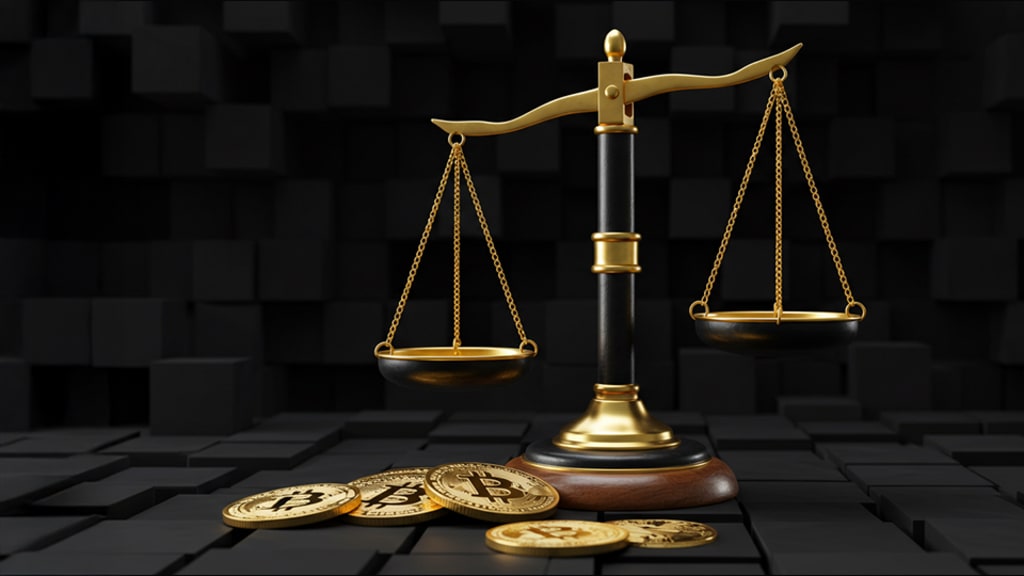
However, this growth cannot happen in isolation. For the sector to scale responsibly, regulations must provide both clarity and trust. Developers need clear guidelines to avoid legal pitfalls, and investors—especially institutional ones—need assurance that the systems they engage with are stable and legitimate. Without these safeguards, the sector risks either stagnation under heavy restrictions or collapse under fraudulent practices.
Balancing Growth and Governance
The heart of the challenge lies in striking the right balance between fostering innovation and enforcing governance. Excessive oversight risks stifling progress by burdening startups with costs and legal uncertainty. On the other hand, a lack of structure creates chaos, leaving consumers vulnerable to scams and markets open to systemic instability.
For instance, overly aggressive regulations may drive projects into friendlier jurisdictions, draining talent and capital from stricter economies. Conversely, insufficient rules can create fertile ground for frauds, such as Ponzi schemes or unregistered securities offerings, which erode public trust. This delicate calibration—encouraging startups while safeguarding users and capital—ultimately determines whether innovation thrives or stalls.
Global Models of Regulation
Different regulatory models are shaping the international crypto landscape, and they reveal the spectrum between strict enforcement and innovation-driven flexibility:
- United States (SEC): The Securities and Exchange Commission applies the Howey Test to determine if a token qualifies as a security. This approach ensures strong investor protections but creates significant hurdles for new projects, many of which struggle to comply or face enforcement actions.
- European Union (MiCA): The Markets in Crypto-Assets Regulation introduces a unified framework across all EU member states. MiCA emphasizes licensing, capital requirements, and consumer disclosures. By creating consistency, it lowers barriers to cross-border operations and provides greater clarity for both developers and investors.
- Singapore and Switzerland: These countries have emerged as crypto-friendly hubs by offering regulatory sandboxes, tax incentives, and transparent rules. Their approach encourages experimentation while still ensuring safeguards against fraud and abuse.
These examples highlight how diverse regulatory philosophies directly shape local innovation ecosystems. Countries that combine clarity with flexibility are becoming magnets for startups and capital, while those that rely on punitive enforcement risk falling behind in the global race for crypto leadership.
Strategic Implications for Developers and Investors
For developers, early adaptation to legal standards offers a long-term advantage. Compliant projects gain credibility with users, simplify fundraising efforts, and enjoy smoother cross-border expansion. Many teams now factor compliance into their technical design, restructuring tokenomics and governance models to align with specific legal frameworks. In this sense, regulation is not merely a limitation but a design parameter that shapes innovation.
For investors, particularly large institutional players, regulation reduces uncertainty. Pension funds, insurance companies, and major banks have long viewed crypto as too volatile and legally ambiguous to justify exposure. As clearer frameworks emerge, these institutions are more willing to participate. Their entry into the market not only brings new liquidity but also validates crypto as a legitimate asset class. This mainstream adoption, in turn, accelerates integration of tokens into traditional financial services such as ETFs, lending platforms, and payment systems.
The Road Ahead
The next wave of crypto adoption will be driven not only by technological breakthroughs but also by the creation of regulatory frameworks that make markets safer, fairer, and more attractive to institutional capital. Countries that harmonize rules and foster collaboration between regulators and innovators will position themselves as leaders in this evolving industry.
Compliance should no longer be seen as a cost of doing business but as a competitive advantage. Projects that embrace transparency and regulatory alignment will stand out in a crowded market, attract greater investment, and achieve sustainable growth. In the global race to define the future of finance, those who can successfully balance innovation with governance will shape the next chapter of the crypto economy.
About the Creator
Alex Atashkar
As the co-founder of Seed.Photo, I am passionate about creating and innovating in the field of non-fungible tokens (NFTs) and blockchain technology.
Keep reading
More stories from Alex Atashkar and writers in The Chain and other communities.
The Role of KYC in Strengthening Crypto Regulation and Security
The crypto industry, which began as an experimental technology with limited oversight, has now evolved into a complex and growing financial sector. With this transformation comes a greater responsibility to establish systems that protect users and ensure compliance with financial laws. Know Your Customer (KYC) protocols are now viewed as essential to achieving that goal
By Alex Atashkar8 months ago in The Chain
Advantages and Disadvantages of Stablecoin: A Complete Guide
The world of cryptocurrency has evolved far beyond the early days of Bitcoin and Ethereum. Among the many innovations that have emerged, stablecoins have gained massive attention. As the name suggests, stablecoins are designed to bring “stability” into the often-volatile crypto market. By pegging their value to assets like the US dollar, gold, or other fiat currencies, stablecoins attempt to provide a balance between traditional finance and the digital world.
By Siddarth D7 days ago in The Chain
Cost to Create a Stablecoin: A Complete Guide for Businesses and Entrepreneurs
Stablecoins have become one of the most important innovations in blockchain technology. Unlike cryptocurrencies such as Bitcoin or Ethereum, which are often highly volatile, stablecoins are designed to maintain a steady value, usually pegged to fiat currencies like the US dollar or other assets. Their reliability makes them crucial for payments, remittances, trading, and decentralized finance (DeFi).
By Siddarth D7 days ago in The Chain



Comments
There are no comments for this story
Be the first to respond and start the conversation.