
NFT Marketing Tools: 9 Popular Tools To Help An NFT Promotion Campaign
Make Your NFT Promotion Campaign a Success: 9 Tools to Help You Reach Your Goals

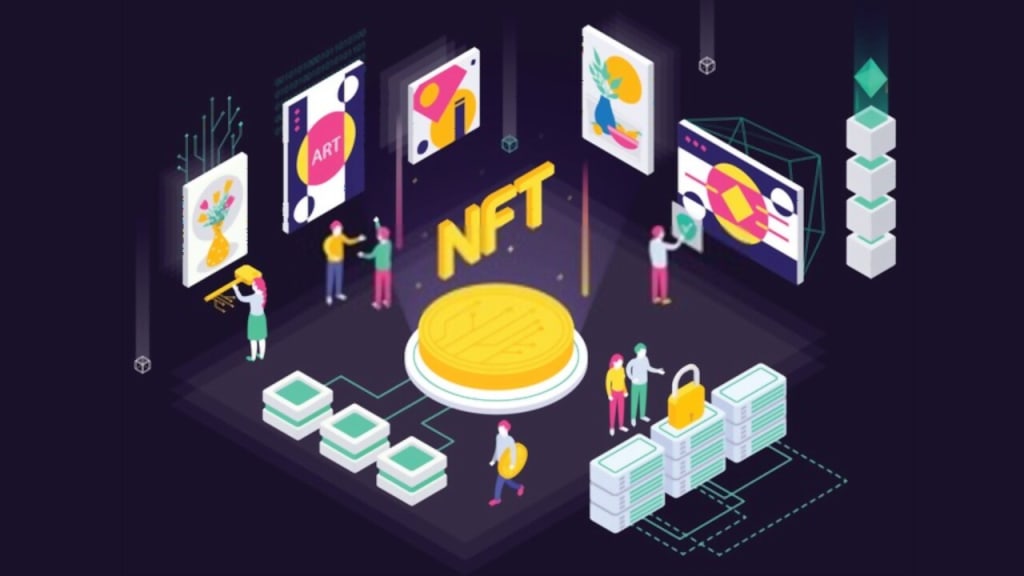
NFTs (Non-Fungible Tokens) have become a popular way for artists, musicians, and other creators to monetize their digital content. However, with the increasing popularity of NFTs, it's becoming more difficult for creators to stand out from the crowd and get their NFTs noticed by potential buyers.
This is where NFT marketing tools come in. These are tools that creators can use to promote their NFTs and reach a wider audience. There are many different types of NFT marketing tools available, including:
- Social media platforms: Creators can use social media platforms like Twitter, Instagram, and TikTok to promote their NFTs and engage with potential buyers.
- NFT marketplaces: Many NFT marketplaces offer marketing tools and services to help creators promote their NFTs. For example, OpenSea offers promotional tools like featured collections and homepage banners.
- NFT marketing agencies: There are also NFT marketing agencies that specialize in helping creators promote their NFTs. These agencies offer a range of services, from social media management to influencer marketing.
- Analytics tools: Analytics tools can help creators track the performance of their NFTs and adjust their marketing strategies accordingly. For example, a creator might use an analytics tool to track the number of views and sales for a particular NFT.
Overall, NFT marketing tools can be extremely helpful for creators who want to promote their NFTs and reach a wider audience. By using these tools effectively, creators can increase their chances of success in the competitive world of NFTs.
Which NFT Marketing Tools Do Marketers Use?
There are a variety of NFT marketing tools that marketers can use to promote NFTs, and the specific tools used will depend on the goals and strategies of the marketing campaign. Here are a few examples of NFT marketing tools that marketers might use:
- Social media platforms: Social media platforms are a great way to reach a large audience and generate buzz around NFTs. Marketers may use platforms like Twitter, Instagram, and TikTok to share images and videos of the NFT, engage with followers, and build a community around the NFT.
- Influencer marketing: Influencer marketing involves partnering with social media influencers who have large followings to promote the NFT to their audience. Marketers might offer influencers a commission for each sale generated through their unique referral link.
- NFT marketplaces: NFT marketplaces like OpenSea, SuperRare, and Nifty Gateway offer various promotional tools and features that can help increase visibility for NFTs. Marketers may use these tools to promote NFTs on the marketplace and drive traffic to the NFT listing.
- Email marketing: Email marketing can be an effective way to reach out to potential buyers and keep them informed about new NFT drops or collections. Marketers may use email marketing tools to create targeted campaigns that highlight the unique value of the NFT.
- Analytics tools: Analytics tools like Google Analytics or Mixpanel can be used to track the performance of marketing campaigns and optimize strategies accordingly. Marketers may use these tools to track metrics like views, clicks, and sales, and use this data to make informed decisions about future marketing efforts.
These are just a few examples of the NFT marketing tools that marketers might use to promote NFTs. The most effective tools will depend on the specific goals and strategies of the marketing campaign.
NFT Whitepaper
An NFT whitepaper is a document that outlines the technical details and specifications of a particular non-fungible token (NFT) project. It typically provides information about the underlying blockchain technology, the smart contract that governs the NFT, and any additional features or functionalities that the NFT offers.
The purpose of an NFT whitepaper is to provide potential investors and users with a detailed understanding of the NFT project and how it works. It often includes information about the use case for the NFT, the target audience, and any benefits that the NFT offers over traditional forms of ownership or exchange.
Some common sections of an NFT whitepaper include:
- Introduction: This section provides an overview of the project and its goals.
- Technical Specifications: This section outlines the technical details of the NFT, including the underlying blockchain technology, smart contract, and any other relevant technical details.
- Use Case: This section explains the use case for NFT and how it can be used in practice.
- Tokenomics: This section explains how the NFT is created, distributed, and traded, and provides information about any associated costs or fees.
- Roadmap: This section outlines the development roadmap for the NFT project, including any upcoming features or enhancements.
- Team and Advisors: This section provides information about the team behind the NFT project, including their experience and expertise.
Overall, an NFT whitepaper is an important tool for communicating the technical and practical details of an NFT project to potential investors and users. It serves as a roadmap for the project and can help to build trust and credibility with stakeholders.
Benefits of Using NFT Marketing Tools
Using NFT marketing tools can offer several benefits to creators and marketers looking to promote their NFTs. Here are a few key benefits:
- Increased Visibility: NFT marketing tools can help to increase the visibility of NFTs and make them more discoverable to potential buyers. By leveraging social media platforms, NFT marketplaces, and other marketing channels, creators can reach a wider audience and generate more interest in their NFTs.
- Branding and Promotion: NFT marketing tools can be used to promote a brand or creator's identity and build a community around their NFTs. By using consistent branding and messaging across different marketing channels, creators can establish a strong and recognizable brand that helps to differentiate their NFTs from others on the market.
- Targeted Marketing: NFT marketing tools can be used to target specific audiences based on their interests, behaviors, or demographics. By using analytics tools and data-driven insights, marketers can create more targeted and effective marketing campaigns that resonate with potential buyers.
- Improved Conversion Rates: NFT marketing tools can help to improve conversion rates by making it easier for potential buyers to discover and purchase NFTs. By using tools like influencer marketing or email marketing, creators can provide potential buyers with more information about their NFTs and make it easier for them to make a purchase.
- Analytics and Insights: NFT marketing tools can provide valuable analytics and insights into the performance of marketing campaigns. By tracking metrics like views, clicks, and sales, marketers can identify what's working and what's not, and adjust their marketing strategies accordingly.
Overall, using NFT marketing tools can help to increase the visibility and sales of NFTs, build a strong brand and community around them, and provide valuable insights and analytics to inform future marketing efforts.
Conclusion
In conclusion, NFTs are a rapidly growing market with immense potential for creators, collectors, and investors alike. However, to maximize the value of NFTs, it's essential to have a strong marketing strategy in place.
NFT marketing tools can help creators and marketers promote their NFTs, increase visibility and sales, build a community around their brand, and provide valuable insights into the performance of marketing campaigns. By leveraging tools like social media platforms, NFT marketplaces, email marketing, and analytics tools, marketers can create targeted and effective marketing campaigns that resonate with potential buyers and drive sales.
Overall, NFT marketing tools play a critical role in the success of NFT projects, and creators and marketers should continue to explore and experiment with new tools and strategies as the NFT market evolves.
About the Creator
Angelika Candie
Blockchain Analyst & Technical Content Writer
Keep reading
More stories from Angelika Candie and writers in The Chain and other communities.
NFT Influencer: 8 Definitive Checklist Points An NFT Marketing Agency Uses To Produce A Foolproof Campaign
In this context, I can help you with information about NFT Influencers. NFTs or non-fungible tokens are a type of digital asset that use blockchain technology to verify ownership and authenticity.
By Angelika Candie3 years ago in The Chain
Eco-Friendly Cryptocurrency: Building a Sustainable Future for Digital Finance
The rapid growth of digital assets has transformed global finance, but it has also raised serious concerns about environmental sustainability. Traditional blockchain networks—especially those relying on energy-intensive mining—have drawn criticism for their high electricity consumption and carbon footprint. In response, a new wave of innovation has emerged: eco-friendly cryptocurrency.
By Siddarth D2 days ago in The Chain
Bomb Scare
It was 2027, and the world never thought it would happen. A missle hit the United States, but it wasn't where they had anticipated. A little town in the northeast was hit by a missile strike, they didn't know why, and they didn't know exactly where it hit, but they did know it was a coastal community, somewhere between Maine and Delaware.
By Gregory Payton7 days ago in Fiction


Comments
There are no comments for this story
Be the first to respond and start the conversation.