
Navigating Web3 Communities: Key Insights and Structural Models
Explore the essential structures, tools, and strategies for successful Web3 Community Management. Learn how decentralized communities operate, scale, and sustain engagement through real-world models and contributor-focused systems.


As blockchain and decentralized technologies continue to evolve, the concept of Web3 communities is reshaping how people connect, collaborate, and co-create online. These communities aren’t just about shared interests, they’re about ownership, governance, and long-term engagement. With the right structure and insights, Web3 Community Management becomes the backbone of successful decentralized ecosystems. In this blog, we’ll explore the models and principles that define thriving Web3 communities and how to navigate them effectively.
Understanding the Foundation of Web3 Communities
Web3 communities function as decentralized networks governed by code, consensus, and shared ownership rather than traditional hierarchies. They rely on blockchain-based infrastructure to foster trust, automate governance, and align incentives. Instead of top-down management, authority is shared among contributors, token holders, and community members. Understanding these foundations is key to designing communities that are inclusive, transparent, and sustainable. These foundational pillars support Web3 Community Management by ensuring a resilient environment where participants are empowered to shape outcomes collaboratively.
- Decentralized Governance Structures : Community decisions are often made through DAOs (Decentralized Autonomous Organizations), giving participants the power to propose and vote on key initiatives.
- Token-Based Incentivization : Participants earn tokens for contributions, aligning community health with individual rewards and ensuring sustained member engagement.
- Smart Contracts as Governance Tools : These automate processes like fund distribution, role allocation, and proposal execution, enforcing transparency and consistency.
- Cultural Identity and Shared Vision : Strong Web3 communities form around shared missions or cultural values, often reinforced through memes, rituals, and narrative branding.
Structural Models for Sustainable Communities
The structure of a Web3 community determines how decisions are made, who has authority, and how responsibilities are distributed. A well-structured model promotes growth, accountability, and member satisfaction. While decentralization is a key value, different structural models enable various levels of participation and autonomy. The most sustainable communities often mix decentralized decision-making with coordinated operations, creating a balanced ecosystem. These structural choices are essential for effective Web3 Community Management and long-term viability.
Core Contributor + DAO Model : A small team handles daily operations, while strategic decisions are voted on by the wider DAO, ensuring both agility and inclusion.
Guild-Based Models : Communities are divided into thematic or functional sub-groups (e.g., marketing, development, translation), allowing members to self-organize based on skills and interests.
Liquid Democracy Framework : Members can transfer their voting authority to trusted peers, increasing flexibility and decreasing the pressure of ongoing participation.
Progressive Decentralization Approach : Projects start with centralized leadership and gradually shift control to the community as it matures, preserving vision while nurturing independence.
Essential Tools and Platforms for Web3 Community Management
Technology plays a vital role in enabling decentralized communities to operate smoothly across borders and time zones. From communication and coordination to voting and treasury management, a diverse stack of tools is required. These tools ensure transparency, efficiency, and inclusion, hallmarks of healthy decentralized ecosystems. Community managers are responsible for curating and maintaining this infrastructure in order to empower contributors, automate workflows, and sustain momentum. Having the right platforms in place directly enhances Web3 Community Management and scales community impact.
- Discord and Telegram for Communication: These platforms are the lifeblood of community discussions, announcements, and day-to-day interaction, with roles and bots used for structure.
- Snapshot and Tally for Voting: These tools facilitate off-chain and on-chain voting, respectively, enabling transparent decision-making within DAOs.
- Gnosis Safe and Multisigs: Used for collective fund management, these tools ensure no single individual has unchecked access to community treasuries.
- Notion and Dework for Coordination: Web3-native project management tools allow contributors to track tasks, earn rewards, and collaborate asynchronously across the globe.
Case Studies: Successful Web3 Community Frameworks
Real-world examples of thriving Web3 communities provide insight into what works and why. These case studies highlight the importance of governance models, contributor engagement, and cultural coherence. Each project tailors its structure to align with its goals, whether those are technical innovation, content creation, or social impact. By studying these frameworks, emerging communities can avoid common pitfalls and adopt proven strategies. These projects demonstrate the principles of Web3 Community Management in action, providing valuable models to replicate or adapt.
- Bankless DAO: Operating with guilds and strong media output, Bankless scales content production, contributor onboarding, and decentralized governance simultaneously.
- Gitcoin: A community-led funding platform that uses quadratic funding to direct resources democratically while fostering contributor culture.
- Friends with Benefits (FWB): Combines social membership with curation and creativity, showing how cultural capital can fuel meaningful community growth.
- Optimism Collective: Blends community grants, governance experiments, and mission-aligned tokens to create a governance flywheel supporting public goods.
Strategies for Onboarding and Retaining Contributors
A community’s strength lies in its people and their continued participation. Effective onboarding and retention are critical to sustaining momentum, growing talent, and ensuring long-term success. Newcomers need guidance, recognition, and meaningful ways to contribute. Communities that invest in this experience build trust and loyalty. By using structured pathways, mentorship, and gamification, Web3 Community Management can unlock the full potential of each contributor and build a strong foundation for growth.
- Create Clear Contribution Paths: From first-time tasks to core roles, contributors should see a roadmap that guides their journey from newcomer to active participant.
- Offer On-Chain Recognition: Badges, NFTs, and token incentives provide visible proof of contributions and help members build portable reputations.
- Mentorship and Peer Support Programs: Pairing newcomers with experienced contributors fosters a culture of support, helping talent grow and integrate quickly.
- Gamify Participation with Missions and Rewards: Engaging, themed challenges that align with community goals can turn work into play and foster deeper emotional investment.
The Role of Community Managers in Web3
Despite decentralization, the role of a community manager remains indispensable in Web3. These individuals act as facilitators, culture builders, and strategic enablers. Their role is less about control and more about coordination, nurturing participation, and creating systems that allow communities to scale sustainably. Community managers bridge the gap between vision and execution. With an understanding of protocols and people, their influence shapes the direction and resilience of a community. Effective Web3 Community Management depends heavily on adaptability and foresight.
- Bridge Between Tech and People: Community managers interpret complex protocols and initiatives into human language, empowering both newcomers and veterans.
- Conflict Resolution and Mediation: They play a key role in navigating interpersonal disputes, aligning vision, and diffusing tensions within rapidly growing communities.
- Driving Culture and Values: Through rituals, storytelling, and norms, community managers keep the shared mission alive and coherent across global participants.
- Enabling Self-Governance Systems: A core function is designing systems and workflows that eventually make the community less reliant on them, moving toward autonomy.
Metrics That Matter: Evaluating Community Health
What gets measured gets managed, and in Web3, traditional metrics don’t tell the whole story. Measuring a community's health means tracking meaningful engagement, quality contributions, and alignment with core values. Vanity numbers like social followers or token price often distract from deeper indicators of resilience and cohesion. Strong Web3 Community Management includes developing dashboards and frameworks that prioritize transparency, participation, and longevity. These metrics are essential for continuous improvement and strategic planning.
- Contributor Retention and Activation Rates: Track how many new members go on to complete tasks or submit proposals, indicating healthy onboarding and relevance.
- Proposal Participation and Voting Trends: A steady volume of quality proposals and high voting turnout signal strong community agency and interest.
- Cross-Platform Engagement Consistency: Healthy communities see similar levels of activity across Discord, governance forums, and contribution tools, not just bursts of hype.
- Sentiment and Narrative Alignment: Feedback loops through polls, town halls, and memes help gauge if members resonate with the vision and direction of the community.
Conclusion
Navigating Web3 communities requires more than understanding blockchain technology it demands a nuanced approach to human behavior, decentralized systems, and collaborative culture. With the right structural models, strategic tools, and a strong focus on Web3 Community Management, decentralized networks can unlock the full potential of participation, ownership, and innovation. As these communities continue to evolve, so too will the methods we use to support and sustain them, driving a more inclusive, co-owned digital future.
About the Creator
Alexei
A blockchain token development specialist skilled in Solidity and Rust, building secure, compliant, and scalable digital assets, with strong experience in smart contracts, security audits, and DApp integration.
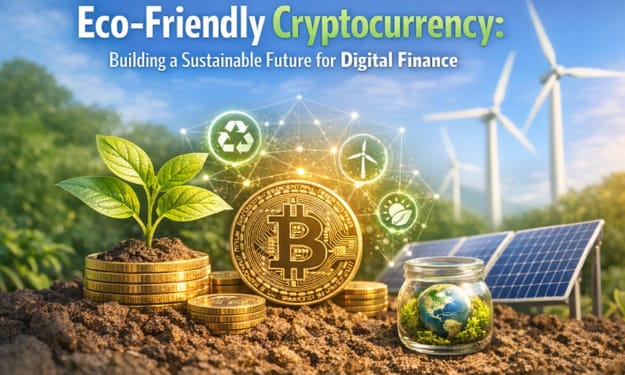
Eco-Friendly Cryptocurrency: Building a Sustainable Future for Digital Finance
The rapid growth of digital assets has transformed global finance, but it has also raised serious concerns about environmental sustainability. Traditional blockchain networks—especially those relying on energy-intensive mining—have drawn criticism for their high electricity consumption and carbon footprint. In response, a new wave of innovation has emerged: eco-friendly cryptocurrency.
By Siddarth D3 days ago in The Chain
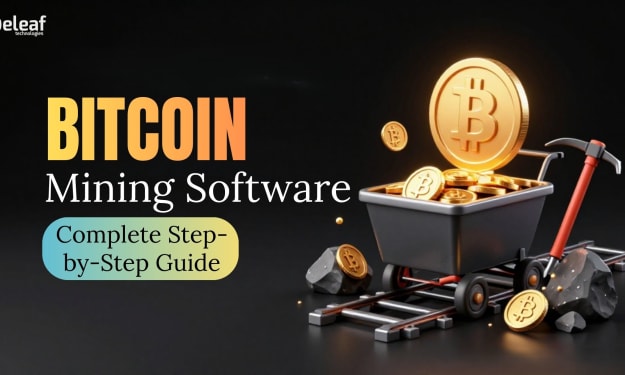
How Bitcoin Mining Software Works: A Complete Step-by-Step Guide
Bitcoin has become one of the most widely recognized digital currencies in the world. Since its introduction, it has transformed the way people think about money, decentralization, and digital assets. Behind the Bitcoin network lies a powerful process known as mining, which keeps the system secure and operational. For beginners who want to explore this process, understanding Bitcoin mining software is an important first step.
By smithtaylor4 days ago in The Chain


Comments
There are no comments for this story
Be the first to respond and start the conversation.