
Is There a Bull Market in the NFT Industry in 2024?
In 2024, the NFT market is stable with cautious trends, but ongoing ecosystem advancements and DeFi integration hint at future growth potential.

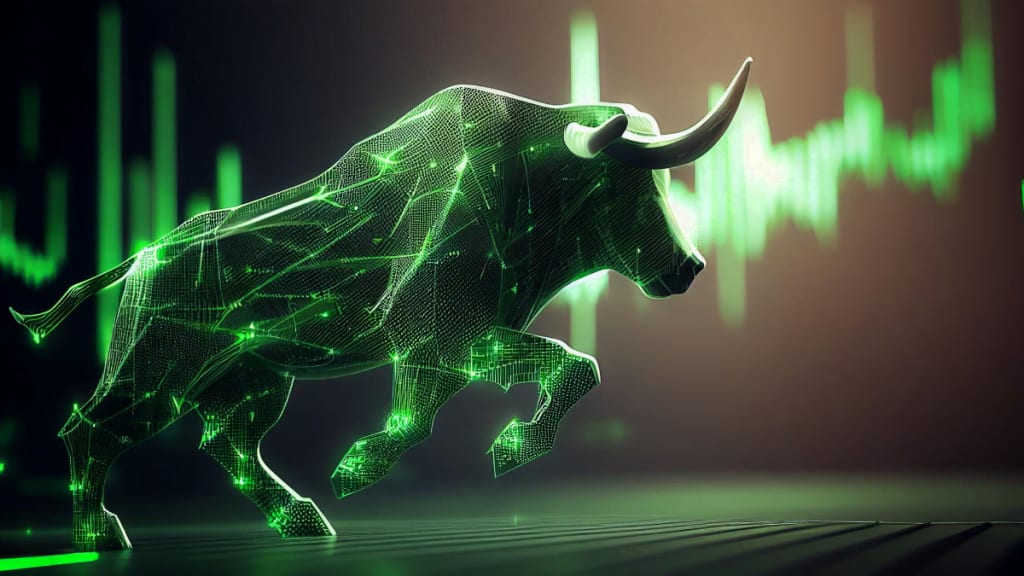
The NFT (non-fungible token) market has experienced dramatic fluctuations in recent years, reflecting broader trends in the cryptocurrency and digital asset sectors. As of mid-2024, the NFT space continues to captivate attention with both potential and uncertainty. To determine whether 2024 is experiencing a bull market for NFTs, it's essential to understand the current landscape and historical context.
In 2023, the NFT market saw a notable revival. According to data from NonFungible.com, the total NFT trading volume for the year reached approximately $17 billion, a significant rebound from the previous downturn. Despite this, the market remains volatile, with fluctuations in trading volumes and prices reflecting investor sentiment and broader economic factors. For comparison, the peak of the NFT market in 2021 saw trading volumes surge to over $40 billion, driven by high-profile sales and increased mainstream interest.
As we progress through 2024, the key question is whether the NFT market is currently in a bull or bear phase. This article will explore the characteristics of a bull market, how they apply to NFTs, and provide actionable insights for investors and creators in this dynamic space.
Understanding Bull and Bear Markets
A bull market is characterized by rising asset prices and high investor confidence. In the context of NFTs, a bull market manifests as increased demand, higher trading volumes, and escalating prices for digital collectibles. Conversely, a bear market involves declining prices and waning interest, often triggered by economic uncertainty or market saturation.
To illustrate, the longest bull market in U.S. history, spanning from 2009 to 2020, saw the S&P 500 index increase by around 400%. Similarly, Bitcoin experienced a bull market from late 2020 to early 2021, with its price surging from approximately $12,000 to over $64,000. Understanding these trends helps frame current NFT market conditions.
Current State of the NFT Market in 2024
As of mid-2024, several indicators can help assess whether the NFT market is in a bull phase:
Trading Volume Trends:
Trading volumes provide a crucial indicator of market health. Recent data shows that NFT trading volume on major platforms like OpenSea and Rarible has been relatively stable, with some fluctuation. According to Dune Analytics, OpenSea's trading volume for the first half of 2024 has remained flat compared to previous months, with no significant spikes or declines.
High-Profile Sales:
High-profile NFT sales often serve as a bullish signal. In 2021, Beeple’s "Everydays: The First 5000 Days" sold for a staggering $69.3 million, catalyzing widespread interest. However, recent high-profile sales in 2024 have been modest in comparison. The most notable sale in the past 30 days was Chibi #2930, which fetched $100.58k, reflecting a less robust market compared to previous peaks.
Celebrity Endorsements:
Celebrity involvement can drive market enthusiasm. While celebrities like Snoop Dogg and Grimes significantly impacted the NFT market in 2021, there has been a noticeable decrease in recent endorsements. Many celebrities are currently focused on meme coins and other ventures, leading to reduced media attention on NFTs.
Mainstream Media Coverage:
Media coverage can significantly influence market dynamics. In early 2021, the NFT space received extensive coverage, contributing to a bull market. In contrast, mainstream media coverage of NFTs in 2024 has been limited, with fewer major news outlets regularly reporting on NFT developments.
Institutional Investments:
Institutional investments often signal confidence in a market. In 2021, Andreessen Horowitz's $100 million investment in OpenSea was a strong indicator of bullish sentiment. However, as of mid-2024, there have been few high-profile institutional investments in the NFT space, suggesting a more cautious approach from large investors.
Ecosystem Development:
The growth of the NFT ecosystem can support a bullish market. Recent developments include the launch of new NFT marketplaces and features, which could enhance market activity. For instance, platforms like OpenSea and NBA Top Shot continue to expand their offerings, contributing to the overall market infrastructure.
Integration with DeFi:
The integration of NFTs with decentralized finance (DeFi) platforms can drive demand. NFTs being used as collateral for loans or in fractional ownership models can increase their appeal. Platforms like Fractional and NFTfi are leading the way in this area, signaling potential growth in NFT utility and value.
How to Create an NFT Collection?
Creating an NFT collection involves several key steps, from conceptualization to launch. Here’s a comprehensive guide to help you navigate the process:
Define Your Concept:
Start by defining the purpose and theme of your NFT collection. Whether you aim to create digital art, collectibles, or utility-based NFTs, having a clear concept will guide your creation process. Consider factors like target audience, uniqueness, and the overall message you want to convey.
Develop the Art or Content:
Depending on your concept, create the digital assets that will form your NFTs. This could involve digital artwork, music, virtual real estate, or other types of content. Ensure that the content is original and high-quality to attract potential buyers.
Choose the Right Blockchain:
Select a blockchain platform for minting your NFTs. Ethereum remains the most popular choice due to its established infrastructure and widespread adoption. However, other blockchains like Binance Smart Chain, Polygon, and Solana also offer NFT capabilities and may provide lower transaction fees.
Mint Your NFTs:
Once your digital assets are ready and the blockchain is chosen, mint your NFTs. Minting involves converting your digital files into tokens on the blockchain. Platforms like OpenSea, Rarible, and Mintable provide user-friendly interfaces for minting NFTs without requiring extensive technical knowledge.
Create Metadata:
Metadata provides additional information about your NFTs, such as titles, descriptions, and attributes. Ensure that your metadata is detailed and accurate, as it helps buyers understand the value and uniqueness of your NFTs.
List Your NFTs for Sale:
After minting, list your NFTs on marketplaces where potential buyers can discover and purchase them. Platforms like OpenSea, Rarible, and Foundation offer various listing options, including auctions and fixed-price sales. Consider promoting your collection through social media and other marketing channels to reach a broader audience.
Engage with the Community:
Building a community around your NFT collection is crucial for long-term success. Engage with your audience through social media, forums, and virtual events. Providing updates, responding to inquiries, and offering exclusive content can help foster a loyal following and drive sales.
Monitor Performance and Iterate:
Once your NFTs are live, monitor their performance and gather feedback from buyers. Use this information to make improvements and iterate on future collections. Staying informed about market trends and adapting your strategy can enhance your chances of success in the NFT space.
Conclusion
Determining whether 2024 is a bull market for NFTs involves analyzing trading volumes, high-profile sales, celebrity involvement, media coverage, institutional investments, ecosystem development, and integration with DeFi. While some indicators suggest a more cautious market, recent developments in NFT infrastructure and DeFi integration offer promising signs for future growth. By understanding these trends and actively engaging in the NFT space, investors and creators can make informed decisions and capitalize on potential opportunities.
FAQs
1. What is a bull market in NFTs?
A bull market in NFTs is characterized by rising prices, increased trading volume, and high investor confidence. It reflects a period of growth and positive sentiment within the NFT space.
2. How can I tell if the NFT market is in a bull or bear phase?
You can assess the market phase by examining trading volumes, high-profile sales, celebrity endorsements, mainstream media coverage, institutional investments, and ecosystem development. A bull market typically features rising prices and active trading, while a bear market shows declining prices and reduced market activity.
3. What are the risks of investing in NFTs during a bull market?
Risks include overpaying for inflated assets, market volatility, and sudden downturns. It’s essential to conduct thorough research and diversify investments to mitigate potential risks.
4. How do I create a successful NFT collection?
To create a successful NFT collection, define your concept, develop high-quality digital content, choose the right blockchain, mint your NFTs, create detailed metadata, list your NFTs for sale on reputable marketplaces, engage with the community, and monitor performance to iterate on future collections.
5. What should I consider before investing in NFTs?
Before investing in NFTs, consider factors such as the uniqueness and quality of the digital assets, the credibility of the creator or project, market trends, and potential utility. Conducting thorough research and staying informed about market developments can help make better investment decisions.
About the Creator
Keep reading
More stories from Jennifer Atkinson and writers in The Chain and other communities.
Exploring DeFi Lending in 2024: AQRU, dYdX, Nexo, and the Rising Stars
In 2024, decentralized finance (DeFi) lending has surged ahead, offering a compelling alternative to traditional financial systems. This burgeoning sector not only promises greater financial inclusion but also introduces innovative ways for individuals to lend and borrow directly, without intermediaries. As we navigate through the landscape of DeFi lending, we encounter key players like AQRU, dYdX, Nexo, and other rising stars, each carving out a unique niche in this dynamic market.
By Jennifer Atkinson2 years ago in The Chain
The Premier Cryptocurrency Recovery Firm with a 98% Success Rate
As cryptocurrency adoption has expanded across global markets, so too have the risks associated with digital assets. Investment fraud, wallet breaches, phishing attacks, and unauthorized transfers have become increasingly sophisticated, affecting both individual investors and organizations. In this complex environment, cryptocurrency recovery has emerged as a specialized discipline requiring technical expertise, regulatory awareness, and disciplined investigative methods. Autopsy Mainnet Recovery has distinguished itself within this field through a consistent, structured approach that has resulted in a documented success rate of 99 percent across viable recovery cases.
By Mason Calebabout 6 hours ago in The Chain
The Ritual of Winter Challenge Winners
Welcome to the Winners Announcement for The Ritual of Winter challenge. This prompt focused on winter rituals and the meaning that settles into them over time. The top pieces stay grounded in ordinary acts and repeated routines, letting winter shape the work through pace, attention, and restraint.
By Vocal Curation Team2 days ago in Resources


Comments
There are no comments for this story
Be the first to respond and start the conversation.