
How to Mine Alt Coins: Step-by-Step Guide for Crypto Enthusiasts
Learn how to mine alt coins safely, profitably, and efficiently with the right hardware, software, and strategies.

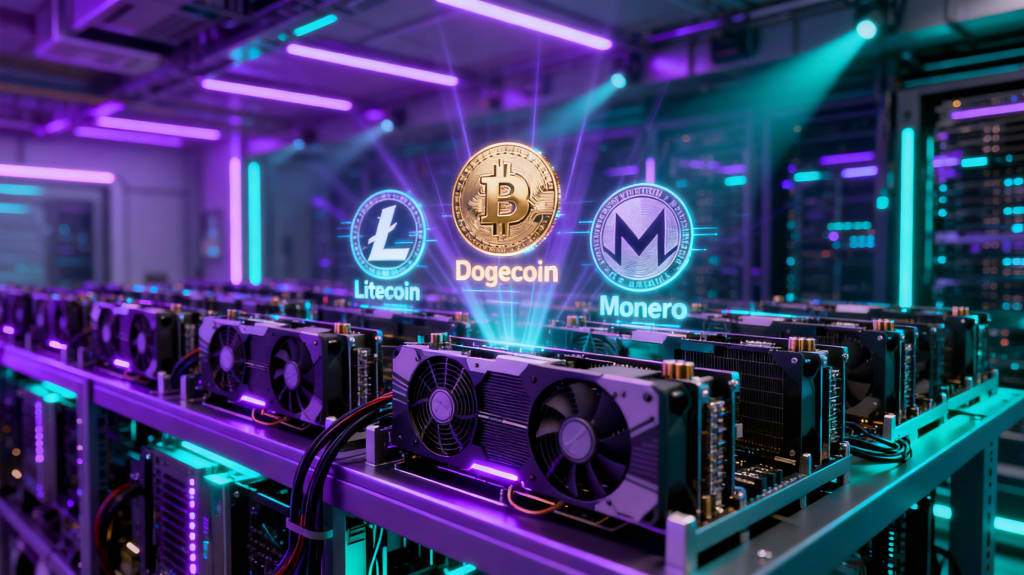
Introduction
Mining alt coins — cryptocurrencies other than Bitcoin — has become one of the most exciting ways to enter the crypto world. Unlike Bitcoin, which has become increasingly difficult and resource-intensive to mine, many alt coins still allow hobbyists and semi-professional miners to participate and earn rewards.
Alt coin mining involves validating transactions on a blockchain network and receiving newly minted coins as compensation. It’s a mix of technical knowledge, smart hardware investment, and understanding network algorithms. Whether you want to mine Ethereum, Litecoin, Dash, or other popular alt coins, understanding the right setup and strategies is crucial for maximizing efficiency and profitability.
In this guide, we’ll cover everything from what alt coin mining is, different mining methods, hardware and software requirements, pool mining vs solo mining, profitability tips, and common mistakes to avoid. By the end, you’ll know how to start mining alt coins effectively and safely, whether as a hobbyist or serious crypto investor.
What Are Alt Coins?
Before mining, it’s essential to understand alt coins: any cryptocurrency other than Bitcoin. Examples include:
Ethereum (ETH)
Litecoin (LTC)
Dash (DASH)
Zcash (ZEC)
Dogecoin (DOGE)
Each alt coin may use different mining algorithms (Proof of Work or Proof of Stake), which affects how you mine them.
How Alt Coin Mining Works
Mining is the process of validating blockchain transactions and adding them to the network ledger. Miners compete to solve complex mathematical problems — the first to solve it gets the block reward.
Proof-of-Work (PoW)
Most alt coins, like Ethereum (before ETH 2.0) and Litecoin, use PoW. Miners use computing power to solve cryptographic puzzles.
Proof-of-Stake (PoS)
Some alt coins, like Cardano (ADA) or newer Ethereum (ETH 2.0), use PoS. Miners (or validators) stake coins instead of using heavy computation to validate blocks.
Hardware Requirements for Mining Alt Coins
Mining efficiency depends heavily on your hardware.
CPU Mining
Suitable for some smaller alt coins with low difficulty.
Not efficient for large-scale mining due to low hash power.
GPU Mining
Graphics cards provide higher hash rates for PoW alt coins.
Popular GPUs include NVIDIA GeForce RTX series and AMD Radeon cards.
ASIC Mining
Some alt coins have ASIC miners specifically designed for their algorithms.
Example: Litecoin uses the Scrypt algorithm, which has specialized ASICs.
Software Requirements for Mining
Mining software depends on the alt coin and mining method.
Popular mining software:
CGMiner (for Scrypt/PoW coins)
NiceHash (user-friendly for multiple coins)
Claymore Miner (Ethereum-focused)
Wallet software is required to store mined coins securely.
Solo Mining vs Pool Mining
Solo Mining
Mining alone, keeping the full reward if successful.
High variance — may not find a block for a long time.
Pool Mining
Miners combine hash power to increase the chance of earning rewards regularly.
Rewards are split based on contributed computing power.
Recommended for beginners and those with limited hardware.
Setting Up Your Mining Rig
Choose the alt coin you want to mine.
Select hardware based on algorithm requirements.
Install mining software compatible with the coin and hardware.
Join a mining pool (optional but recommended for beginners).
Configure wallet for receiving mining rewards.
Monitor performance and optimize energy efficiency.
Mining Profitability
Mining profitability depends on:
Coin price and potential appreciation
Hash rate and network difficulty
Electricity cost and hardware efficiency
Pool fees (if using pool mining)
Tools like WhatToMine or CryptoCompare mining calculators help estimate profitability before investing.
Tips for Successful Alt Coin Mining
Choose coins wisely: Target coins with low difficulty but potential growth.
Stay updated: Crypto networks often change mining algorithms.
Optimize energy usage: Reduce electricity costs for higher profit margins.
Maintain hardware: Prevent overheating and ensure long-term performance.
Diversify mining: Consider multiple coins or switching coins based on profitability.
Common Mistakes to Avoid
Investing in outdated hardware
Ignoring electricity costs
Mining without a secure wallet
Failing to monitor network difficulty changes
Relying on hype instead of fundamentals
Future of Alt Coin Mining
Shift from PoW to PoS reduces energy-intensive mining.
Increasing difficulty in popular coins like Ethereum makes GPU mining less profitable.
Emerging coins provide opportunities for early adopters and smaller miners.
Quick Takeaways
Alt coin mining allows earning crypto by validating blockchain transactions.
GPU mining remains the most popular method, though PoS is rising.
Pool mining reduces variance and is beginner-friendly.
Profitability depends on coin price, hardware efficiency, and electricity costs.
Staying updated on network changes is crucial for long-term success.
FAQs
Q1: Can I mine alt coins with a regular PC?
Yes, for some low-difficulty coins, but efficiency will be low. GPUs or ASICs provide better results.
Q2: What’s the difference between solo and pool mining?
Solo mining means you mine alone, keeping full rewards but with high variance. Pool mining combines resources for steady payouts shared among participants.
Q3: Are alt coin mining profits taxable?
Yes. Most countries treat mined coins as income at the time of receipt, and capital gains tax applies when selling.
Q4: Which alt coins are easiest to mine?
Smaller PoW coins with low network difficulty, or new projects that reward early miners.
Q5: Can mining become unprofitable?
Yes. High electricity costs, low coin prices, and rising network difficulty can make mining unprofitable.
Conclusion
Mining alt coins is a powerful way to earn crypto, learn blockchain technology, and participate in emerging digital economies. However, success requires careful planning: choosing the right coin, optimizing hardware, monitoring profitability, and managing risks.
Whether you’re a hobbyist or aspiring professional miner, staying informed and adaptable is key. Alt coin mining is not just about technology; it’s about strategy, patience, and understanding the evolving crypto landscape.
About the Creator
saif ullah
Content writer on different niches, specially on finance.
Keep reading
More stories from saif ullah and writers in The Chain and other communities.
Alt‑Coin vs Stock: What's the Difference and Which Should You Pick?
Introduction When diving into finance and investing, many people wonder: Are alt‑coins just like stocks? At first glance, both let you buy and sell shares (or tokens), and both can offer gains — but the differences run deep. Alt‑coins (cryptocurrencies other than Bitcoin) operate on blockchain and often aim at decentralization, while stocks represent ownership in real companies with business operations, revenues, and regulation.
By saif ullah3 months ago in The Chain
Top 10 Blockchain Development Companies in USA in the 2026 for Enterprise Innovation
Blockchain technology has moved far beyond cryptocurrencies. By 2026, enterprises across finance, healthcare, logistics, supply chains, and digital identity are using blockchain to create transparent, secure, and automated systems. According to industry forecasts, the global blockchain market is expected to surpass $90 billion by 2030, with the United States leading enterprise adoption.
By Nia Higginsabout 12 hours ago in The Chain
Eco-Friendly Cryptocurrency: Building a Sustainable Future for Digital Finance
The rapid growth of digital assets has transformed global finance, but it has also raised serious concerns about environmental sustainability. Traditional blockchain networks—especially those relying on energy-intensive mining—have drawn criticism for their high electricity consumption and carbon footprint. In response, a new wave of innovation has emerged: eco-friendly cryptocurrency.
By Siddarth D3 days ago in The Chain



Comments
There are no comments for this story
Be the first to respond and start the conversation.