
How to Create an NFT: A Beginner's Guide to Tokenizing Your Digital Assets
NFT Development

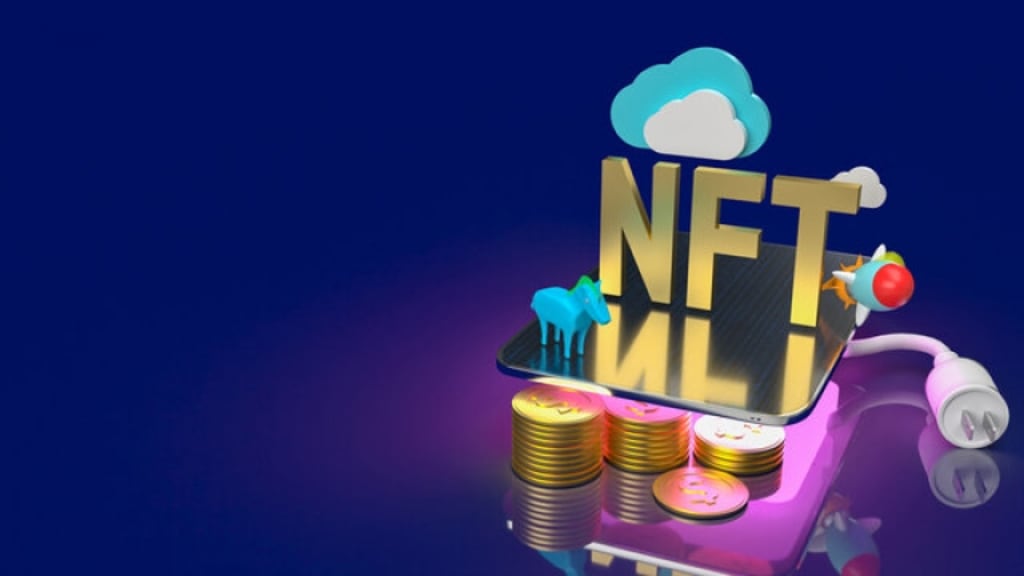
The rise of Non-Fungible Tokens (NFTs) has revolutionized the art, gaming, and digital collectibles industries, allowing creators to tokenize and sell their unique digital assets on the blockchain. NFTs provide an unprecedented opportunity for artists, musicians, game developers, and content creators to gain recognition, establish ownership, and monetize their work in an entirely new way. If you're eager to explore the world of NFTs and wish to create your very own, this beginner's guide will walk you through the process step by step of NFT development.
How to Create an NFT?
Step 1: Understanding NFTs
Before diving into the creation process, it's crucial to comprehend the fundamentals of NFTs. An NFT represents a one-of-a-kind digital asset, typically stored on a blockchain like Ethereum, utilizing smart contracts to verify its uniqueness and ownership. Unlike cryptocurrencies, NFTs are non-fungible, meaning each token is unique and cannot be exchanged for another on a one-to-one basis.
Step 2: Selecting Your Digital Asset
The first step to creating an NFT is to determine the digital asset you wish to tokenize. NFTs can be anything from digital art, music, videos, virtual real estate, virtual goods, and even virtual pets. Choose an asset that holds value, uniqueness, and personal significance to you or your target audience.
Step 3: Setting Up a Cryptocurrency Wallet
To create and manage your NFTs, you'll need a cryptocurrency wallet compatible with the blockchain you plan to use. Popular choices for creating NFTs are Ethereum-based wallets like MetaMask or Trust Wallet. Download and set up your wallet following the instructions provided by the platform.
Step 4: Funding Your Wallet
After setting up your wallet, you'll need to add cryptocurrency funds to it. This will be required to cover the transaction fees involved in creating and minting your NFT on the blockchain. Purchase Ether (ETH) or the native currency of the blockchain you're using and transfer it to your wallet.
Step 5: Choose an NFT Marketplace
Once your wallet is funded, you'll need to select an NFT marketplace to mint and list your NFT for sale. Popular marketplaces like OpenSea, Rarible, and Foundation are widely used by creators. Each platform has its unique features, community, and fee structure, so research and choose the one that best suits your needs.
Step 6: Minting Your NFT
Minting an NFT refers to the process of tokenizing your digital asset and creating a unique token on the blockchain. Access your chosen NFT marketplace, connect your cryptocurrency wallet, and follow the instructions to upload your digital asset. Provide relevant details such as title, description, and tags to make your NFT easily discoverable.
Step 7: Establishing Ownership and Royalties
During the minting process, you'll have the option to determine royalties for yourself as the creator. This means that you can earn a percentage from each subsequent sale of your NFT on the secondary market. Setting a reasonable royalty rate incentivizes buyers to invest in your NFT, as they also share in your future success.
Step 8: Gas Fees and Minting Cost
Be aware that minting an NFT on the blockchain incurs gas fees, which are transaction costs. These fees can vary depending on network activity, so it's essential to have enough cryptocurrency in your wallet to cover these expenses.
Step 9: Promoting Your NFT
After successfully minting your NFT, it's time to promote it within the NFT community and beyond. Utilize social media, online forums, and crypto-centric platforms to showcase your creation and reach potential buyers. Engage with your audience, collaborate with other artists, and leverage your network to increase visibility.
Benefits of creating an NFT?
Creating an NFT (Non-Fungible Token) offers numerous benefits for artists, content creators, gamers, and collectors. Let's explore some of the key advantages of venturing into the world of NFTs:
Digital Ownership and Provenance: NFTs provide an immutable record of ownership on the blockchain, ensuring authenticity and provenance of digital assets. This is especially valuable for artists and creators who can now establish indisputable ownership of their work, preventing unauthorized duplication and plagiarism.
Monetization and Revenue Streams: NFTs enable creators to monetize their digital creations in new and innovative ways. Artists can sell their artwork directly to collectors, and with the ability to set royalties, they can continue to earn a percentage of each subsequent sale in the secondary market. This can lead to ongoing revenue streams and long-term financial benefits.
Global Reach and Accessibility: NFT marketplaces operate on decentralized blockchains, allowing creators to reach a global audience without the need for intermediaries or traditional gatekeepers. Anyone with an internet connection can participate, expanding the potential market for digital artists and creators.
Enhanced Scarcity and Exclusivity: NFTs are designed to be unique and scarce. This scarcity adds value to the digital asset, creating a sense of exclusivity and collectibility. Collectors are drawn to owning a one-of-a-kind item, which can drive demand and higher prices for NFTs.
Liquidity and Interoperability: NFTs are liquid assets that can be easily bought, sold, or traded on various marketplaces. Interoperability between different platforms allows for seamless transfers and transactions, increasing the liquidity of NFTs compared to physical collectibles or artwork.
New Avenues for Creativity: NFTs have opened up new creative avenues for artists and content creators. Digital art, virtual real estate, virtual goods, music, and more can now be tokenized and traded as NFTs, fostering innovation and pushing the boundaries of digital expression.
Community Engagement and Collaboration: The NFT ecosystem is characterized by vibrant and engaged communities. Creators can interact directly with their audience, build a loyal fanbase, and collaborate with other artists, further enhancing their exposure and creative growth.
Gaming and Virtual Worlds: NFTs have found extensive use in gaming and virtual worlds. Players can own, trade, and use NFTs as in-game assets, granting them true ownership of virtual items. This ownership empowers players, adding value to their gaming experiences.
Philanthropic Opportunities: NFTs can also be used for charitable purposes. Artists can create and sell NFTs with a percentage of the proceeds going to charitable causes, supporting various initiatives and making a positive impact on society.
Preserving Digital Legacy: NFTs have the potential to preserve digital legacy for future generations. By tokenizing important digital assets like historical documents, music, and artworks, creators can ensure their work endures beyond their lifetime.
Conclusion
Creating an NFT can be an exciting journey that enables you to express your creativity and potentially earn from your digital artistry. As with any venture, success requires dedication, originality, and understanding the intricacies of the NFT ecosystem. By following this beginner's guide, you're well on your way to tokenizing your digital assets and immersing yourself in the fascinating world of NFTs. So, unleash your creativity, mint your NFT, and embark on an innovative path to art and digital ownership.
About the Creator
Jhonmatthew
I am a Web 3.0 Analyst who writes about blockchain, crypto, NFTs, DeFi, etc., that will let you know the latest advancements circling over the Web 3.0 space.
Keep reading
More stories from Jhonmatthew and writers in The Chain and other communities.
Complete Guide to NFT Development: From Concept to Creation
In recent years, Non-Fungible Tokens (NFTs) have taken the world by storm, revolutionizing the way we perceive ownership and digital assets. NFTs are unique cryptographic tokens that represent ownership of a specific item or piece of content on the blockchain. From digital art and collectibles to virtual real estate and in-game items, NFTs have unlocked a plethora of possibilities for creators and collectors alike.
By Jhonmatthew3 years ago in The Chain
Real Estate Tokenization: How It Enables Property Ownership Through Tokens
The Evolution of Property Investment in the Digital Era For decades, real estate has been recognized as one of the most stable and wealth-generating asset classes. However, traditional property investment comes with notable challenges high upfront capital requirements, limited liquidity, lengthy paperwork, and complex transaction structures. Today, blockchain technology is reshaping the financial landscape, and Real Estate Tokenization Development is introducing a modern framework for property ownership. By converting physical real estate assets into digital tokens on secure blockchain networks, this approach makes property investment more accessible, efficient, and globally connected. It reflects a significant shift in how assets are owned, managed, and transferred in the digital economy.
By Michal steve6 days ago in The Chain
How to Reduce Crypto Token Development and Launch Costs?
Launching a crypto token often looks deceptively simple from the outside. Smart contracts can be deployed in minutes. Token standards are well documented. Marketing channels are accessible. Yet founders frequently discover that what seemed like a modest technical exercise turns into a six-figure undertaking. Development, audits, legal structuring, exchange listings, liquidity provisioning, branding, community management, and post-launch maintenance compound rapidly.
By Jennifer Atkinson6 days ago in The Chain
When the Shelter Closes
Across the street from my house, a man slept under a tree, his dog by his side. My first, naive thought: he must be traveling through. But he kept coming back, often sleeping there during the day. Then it hit me—that person might not have a home.
By Bride of Sound6 days ago in Humans

Comments
There are no comments for this story
Be the first to respond and start the conversation.