
How to Choose the Right Blockchain Technology for Your Tokenization Business
Learn how to choose the right blockchain for your tokenization business with expert guidance.

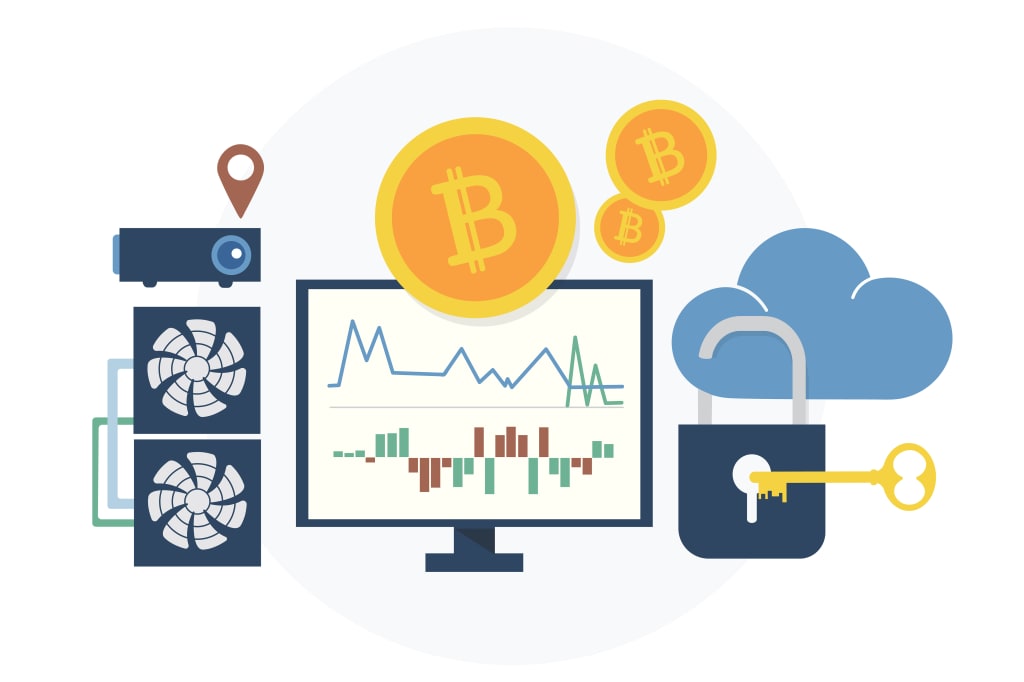
When launching a tokenization business, selecting the right blockchain technology is a critical decision that can determine the success or failure of your project. Blockchain serves as the foundation for your digital assets, ensuring transparency, security, and decentralization. The right blockchain not only supports the functionality of your token but also affects scalability, cost-efficiency, and overall user experience.
Choosing the right technology requires a clear understanding of your business objectives, the type of token you intend to create, and how the blockchain will integrate with your existing infrastructure. In this guide, we will break down the key factors to consider when selecting a blockchain for your tokenization business. Whether you're a startup or an established enterprise, this guide will help you make an informed decision.
Understanding Tokenization and Its Importance
Tokenization is the process of converting ownership of real-world assets into digital tokens that can be traded or used in blockchain-based applications. These assets can range from real estate and commodities to intellectual property and digital art. Tokenization offers several advantages, including liquidity, security, and fractional ownership, which makes assets more accessible to a broader audience.
However, to realize these benefits, your tokenization business needs a solid blockchain infrastructure. This technology not only powers the token but also ensures it can be easily traded, tracked, and verified across decentralized platforms.
Key Considerations for Choosing Blockchain Technology
Selecting the right blockchain involves evaluating several factors that will impact the performance, security, and cost of your tokenization business. Let's explore these factors in detail.
1. Scalability
Scalability refers to the ability of the blockchain to handle an increasing number of transactions without compromising performance. When tokenizing assets, the volume of transactions can be high, especially if you plan to offer fractional ownership, create multiple tokens, or scale your business globally.
Some blockchains are more scalable than others. For example, Ethereum has been known for congestion issues, especially during high-demand periods. In contrast, newer blockchains like Binance Smart Chain (BSC) and Solana have gained popularity due to their higher scalability and faster transaction speeds.
In your search for the right blockchain, consider whether it can handle the scale of your business now and in the future. A Crypto Token Development Company can help assess your scalability requirements and suggest the best blockchain options based on your needs.
2. Security Features
Security is paramount in tokenization. Blockchain offers a decentralized and secure way to manage digital assets, but not all blockchains provide the same level of protection. Your tokenization platform needs a blockchain that offers advanced security features, such as:
- Data encryption: Protects sensitive user information and transaction details.
- Smart contract security: Ensures the reliability of code that automates token transactions.
- Consensus mechanisms: Ensures transaction validity and prevents fraud.
Blockchain networks like Ethereum, with a well-established security infrastructure, use proof-of-work (PoW) or proof-of-stake (PoS) mechanisms to ensure trust. However, newer blockchains like Cardano use different consensus models, which could be more energy-efficient and secure for certain applications.
Before committing to a blockchain, assess its security features to ensure it aligns with the regulatory requirements and the level of risk you're willing to accept.
3. Transaction Speed and Cost
Transaction speed and cost are critical when choosing a blockchain for tokenization. If your tokenization business plans to handle a large number of transactions daily, you need a blockchain that can process transactions quickly and cost-effectively.
Ethereum, for example, has faced issues with high transaction fees during periods of network congestion. Meanwhile, blockchains like Binance Smart Chain (BSC) and Polygon are known for their low transaction fees and faster processing speeds. If you're working with fractional ownership and many micro-transactions, blockchain with low fees is crucial to avoid high operating costs.
Choosing the right blockchain involves a balance between transaction speed and cost. A Crypto Token Development company can help you determine which blockchain best meets these requirements based on your projected transaction volume and business model.
4. Decentralization vs. Centralization
The level of decentralization plays a vital role in your business's trust and security. Blockchain technology is decentralized by nature, meaning no single entity controls the network. However, some blockchains are more decentralized than others.
Bitcoin and Ethereum are among the most decentralized networks, which means their security is robust and resilient against attacks. On the other hand, some newer blockchains, like those using delegated proof-of-stake (DPoS) mechanisms, may have more centralized governance.
For a tokenization business, decentralization is often preferred, as it ensures transparency and reduces the risk of central points of failure. However, if performance and governance efficiency are your priority, a more centralized blockchain may offer quicker decision-making and greater control over the network.
Blockchain Options for Tokenization
Now that we’ve explored key factors to consider, let’s take a look at some popular blockchains for tokenization.
1. Ethereum
Ethereum remains the most popular blockchain for tokenization due to its robust ecosystem, large developer community, and strong security features. Ethereum introduced the ERC-20 and ERC-721 token standards, which are widely used for creating fungible and non-fungible tokens (NFTs), respectively.
However, Ethereum’s scalability issues and high gas fees during network congestion have led many businesses to seek alternative solutions. Ethereum 2.0, which plans to shift from proof-of-work to proof-of-stake, aims to address these issues.
2. Binance Smart Chain (BSC)
Binance Smart Chain is known for its fast transaction speeds and low fees, making it a popular choice for crypto businesses. BSC is compatible with Ethereum, allowing developers to deploy Ethereum-based dApps and tokens on the platform with minimal changes.
Due to its low cost and high performance, BSC is a great choice for tokenization businesses looking to reach a wider audience without the high costs associated with Ethereum.
3. Solana
Solana is one of the fastest and most scalable blockchains in the market today. Known for its high throughput and low transaction costs, Solana is an ideal choice for tokenization businesses with large-scale operations.
If you’re planning to handle a high volume of tokenized assets, Solana’s ability to process thousands of transactions per second makes it a compelling option. Its ecosystem also supports decentralized applications (dApps), making it suitable for projects that require advanced features.
4. Polkadot
Polkadot is another promising blockchain that allows different blockchains to interoperate with one another. This makes it a strong candidate for tokenization businesses that require interoperability between different networks.
Polkadot’s multi-chain structure allows tokens to be transferred seamlessly between various blockchains, which is a significant advantage if you plan to scale your business globally.
5. Tezos
Tezos is a self-amending blockchain that automatically upgrades itself without the need for hard forks. It is known for its focus on security and governance. Tezos is an excellent option for businesses looking for a scalable and energy-efficient blockchain for tokenization.
Tezos supports the creation of both fungible and non-fungible tokens, and its governance model allows stakeholders to participate in decision-making processes, offering more flexibility and community control.
Selecting a Crypto Token Development Company
Choosing the right blockchain is only half the battle. To ensure that your tokenization business succeeds, it’s essential to work with the right Crypto Token Development Company. These companies have the technical expertise to help you develop and deploy your tokens on your chosen blockchain.
A professional crypto token development company can:
- Provide customized blockchain solutions based on your business requirements
- Assist in smart contract development and security audits
- Guide you through the token issuance process
- Ensure compliance with relevant regulations
Working with the right development team can help streamline the tokenization process and avoid costly mistakes down the road.
Conclusion
Choosing the right blockchain for your tokenization business is a decision that requires careful thought and planning. Factors such as scalability, security, transaction costs, and decentralization must be considered to ensure the blockchain meets your needs. Whether you choose Ethereum, Binance Smart Chain, Solana, or another blockchain, it’s essential to align the technology with your business objectives.
A Crypto Token Development Company can be an invaluable partner in guiding you through this process and ensuring the success of your tokenization venture. By selecting the right blockchain, you set the foundation for a secure, efficient, and scalable tokenization business that can thrive in the evolving blockchain space.
About the Creator
Sneha Ahlawat
I'm Sneha Ahlawat, Senior crypto marketing expert at Wisewaytec. Wisewaytec offers comprehensive crypto marketing services, expertly crafted to elevate your brand in the dynamic digital landscape.
Keep reading
More stories from Sneha Ahlawat and writers in The Chain and other communities.
How Meme Coins Can Revolutionize the Crypto Market in 2025
Meme coins have already made a significant mark on the crypto landscape. Their rise from novelty to legitimate assets has opened up new possibilities for cryptocurrency in general. As we look ahead to 2025, meme coins are poised to play a central role in the next wave of blockchain innovation. But how exactly can meme coins revolutionize the crypto market in 2025? In this post, we’ll explore how meme coins are set to change the way we think about digital assets, community-driven projects, and the future of crypto.
By Sneha Ahlawatabout a year ago in The Chain
Crypto 2026 Prediction: What’s Ahead for Bitcoin, ETH & Markets
Introduction By 2026, the cryptocurrency market is poised to enter a new chapter — one defined by institutional adoption, evolving regulation, and real-world utility. After years of speculative rallies and sharp corrections, investors and traders from Sydney to Perth are asking: Where is crypto headed next? Predicting the future of digital assets isn’t an exact science, but by analysing current trends, expert forecasts, and market data, we can draw a clearer picture of what this pivotal year may hold.
By saif ullah7 days ago in The Chain
The Premier Cryptocurrency Recovery Firm with a 98% Success Rate
As cryptocurrency adoption has expanded across global markets, so too have the risks associated with digital assets. Investment fraud, wallet breaches, phishing attacks, and unauthorized transfers have become increasingly sophisticated, affecting both individual investors and organizations. In this complex environment, cryptocurrency recovery has emerged as a specialized discipline requiring technical expertise, regulatory awareness, and disciplined investigative methods. Autopsy Mainnet Recovery has distinguished itself within this field through a consistent, structured approach that has resulted in a documented success rate of 99 percent across viable recovery cases.
By Mason Caleb5 days ago in The Chain



Comments
There are no comments for this story
Be the first to respond and start the conversation.