
How to Choose a Secure NFT Wallet for Buying Multi-Chain NFTs
A practical guide to navigating multi-chain NFTs, minimizing security risks, and selecting the right wallet before you make your first purchase


Buying NFTs is no longer limited to a single blockchain. Today’s NFT ecosystem spans Ethereum, Polygon, Solana, BNB Chain, and multiple Layer-2 networks. While this multi-chain expansion unlocks flexibility and lower fees, it also introduces a critical question for beginners: how to choose a secure NFT wallet that can safely handle assets across chains.
The reality is blunt—most NFT losses don’t happen due to bad investments. They happen due to weak wallet security, poor key management, or users interacting with the wrong wallet infrastructure. This guide breaks down the fundamentals, from understanding multi-chain NFTs to selecting a wallet that doesn’t compromise asset security.
Understanding Multi-Chain NFTs
What Are Multi-Chain NFTs?
Multi-chain NFTs are digital assets that can exist, be minted, or traded across different blockchains rather than being locked to a single network. For example, an NFT might be minted on Ethereum but bridged to Polygon for lower transaction fees or faster execution.
This interoperability allows users to:
- Reduce gas costs
- Access broader marketplaces
- Move assets based on liquidity or utility
However, each additional blockchain increases the surface area for risk.
The Interoperability Challenge Beginners Overlook
Why Multi-Chain NFTs Increase Risk
Interoperability relies on smart contracts, bridges, and wallet compatibility. Each layer introduces potential vulnerabilities.
Common risks include:
- Malicious smart contract approvals
- Compromised cross-chain bridges
- Wallets lacking native support for certain chains
- Poor visibility into token permissions
This is where wallet selection becomes non-negotiable. A wallet is not just storage—it is the security perimeter for every NFT transaction.
Step-by-Step: Buying NFTs Safely Across Multiple Blockchains
Step 1: Select the Blockchain Based on Use Case
Ethereum offers the strongest ecosystem security, while Polygon and Solana provide lower fees. Your wallet must support the chains you intend to use without relying on third-party workarounds.
Step 2: Use Reputable NFT Marketplaces
Stick to established platforms with verified collections. Even a secure wallet cannot protect against signing malicious transactions on untrusted marketplaces.
Step 3: Fund the Wallet Correctly
Ensure you are transferring the correct native token (ETH, SOL, MATIC) for gas fees. Sending assets to unsupported chains can result in permanent loss.
Step 4: Verify Every Signature Request
Blind signing is one of the fastest ways to lose NFTs. Always review permissions before approving transactions.
Choosing the Right Wallet: The Security Framework That Matters
This is where most beginners fail. If you’re serious about NFTs, the wallet decision must be treated as a risk-management exercise, not a convenience choice.
What Defines a Secure NFT Wallet?
A secure wallet should offer:
- Private key ownership (non-custodial control)
- Multi-chain compatibility
- Hardware wallet integration
- Clear transaction previews
- Active security updates
For users evaluating top secure crypto wallets that balance NFT compatibility with robust protection, this curated breakdown of recommended multi-chain wallets is a practical reference. This resource aligns wallet security features with real-world NFT usage, making it especially useful for buyers navigating multiple blockchains.
Hot Wallet vs Cold Wallet: What Should NFT Buyers Use?
Hot Wallets (Software Wallets)
Best for active traders and NFT flippers. They offer convenience but require strict discipline around approvals and phishing prevention.
Cold Wallets (Hardware Wallets)
Ideal for long-term NFT holders and high-value collections. Private keys remain offline, dramatically reducing attack vectors.
Best practice: Use a hot wallet for interaction and a cold wallet for storage. Segmentation is a professional risk strategy, not paranoia.
Common Security Mistakes NFT Buyers Make
- Using the same wallet for minting, trading, and storage
- Connecting wallets to every new dApp without review
- Ignoring token approval dashboards
- Storing seed phrases digitally
- Assuming marketplaces provide wallet-level protection
In NFTs, responsibility is absolute. There is no customer support for lost private keys.
Security Is the Entry Cost of NFTs
Understanding how to choose a secure NFT wallet is foundational, not optional. As NFTs become increasingly multi-chain, wallet security determines whether you participate confidently or expose yourself to unnecessary risk.
The smart approach is simple:
- Prioritize wallet security over UI aesthetics
- Choose multi-chain support intentionally
- Separate interaction wallets from storage wallets
In the NFT economy, the wallet is the asset manager. Choose accordingly.
About the Creator
Times of Blockchain
Times of Blockchain is your leading source for blockchain news, trends, and expert analysis. Stay ahead with real-time updates and thought leadership in Web3.
Website: https://www.timesofblockchain.com/
Keep reading
More stories from writers in The Chain and other communities.
Top 10 Blockchain Development Companies in USA in the 2026 for Enterprise Innovation
Blockchain technology has moved far beyond cryptocurrencies. By 2026, enterprises across finance, healthcare, logistics, supply chains, and digital identity are using blockchain to create transparent, secure, and automated systems. According to industry forecasts, the global blockchain market is expected to surpass $90 billion by 2030, with the United States leading enterprise adoption.
By Nia Higginsabout 17 hours ago in The Chain
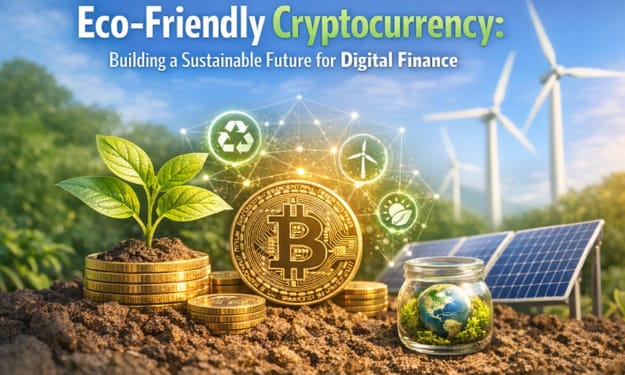
Eco-Friendly Cryptocurrency: Building a Sustainable Future for Digital Finance
The rapid growth of digital assets has transformed global finance, but it has also raised serious concerns about environmental sustainability. Traditional blockchain networks—especially those relying on energy-intensive mining—have drawn criticism for their high electricity consumption and carbon footprint. In response, a new wave of innovation has emerged: eco-friendly cryptocurrency.
By Siddarth D4 days ago in The Chain
Writing To Succeed
If you want to find something that will help readers find your writing, possibly expand your audience, and maybe even get you noticed for other things, then you’re not alone. But how can you get it done in a world full of want-to-be writers? Look less at what you’re writing now, and more at what other writers have used to boost their views and reads.
By Jason Ray Morton 6 days ago in Writers



Comments
There are no comments for this story
Be the first to respond and start the conversation.