
How Smart Brands Are Using NFTs to Reinvent Customer Loyalty in 2025
Unlocking New Dimensions of Customer Engagement and Value Through NFT-Powered Loyalty Programs

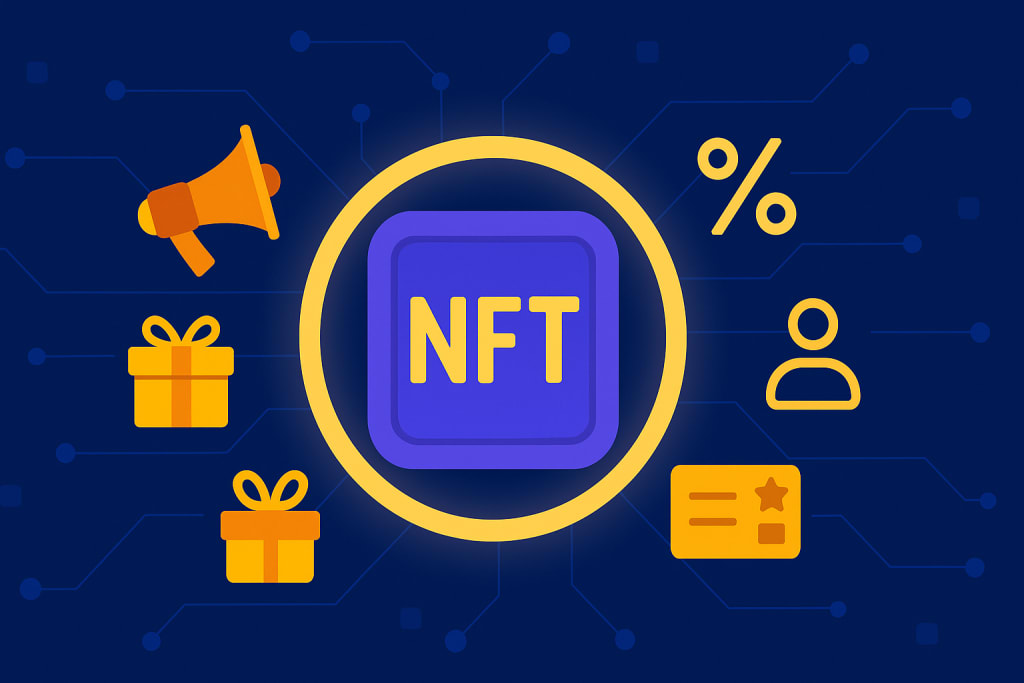
Customer loyalty has always been a cornerstone of successful business strategy. For decades, brands relied on reward cards, point systems, and seasonal promotions to encourage repeat business. However, the digital transformation of the last decade has fundamentally changed how consumers interact with brands, especially as attention spans shrink and competition intensifies.
By 2025, this transformation has accelerated into the Web3 era—a new decentralized internet paradigm powered by blockchain technology, cryptocurrencies, and digital ownership. Non-fungible tokens (NFTs), which first captured mainstream attention as digital collectibles, are now revolutionizing how brands engage and retain customers. The most innovative brands have shifted from viewing NFT Development as mere hype to leveraging them as core assets within their loyalty and engagement strategies.
Why Traditional Loyalty Programs Are Failing to Deliver
To appreciate the disruptive potential of NFTs in loyalty, we must first understand the limitations of existing programs. Most legacy loyalty systems share common pitfalls:
- Lack of Emotional Connection: Collecting points or redeeming generic coupons is transactional and uninspiring. Consumers often forget or ignore these programs.
- Centralized Control and Limited Transparency: Traditional loyalty points exist only in brand databases, invisible to the user. Customers must trust the brand’s infrastructure to track and honor rewards.
- Static Rewards and Limited Flexibility: Rewards are often predetermined and rigid, offering little customization or surprise. This limits excitement and user motivation.
- Poor Interoperability: Loyalty points rarely transfer across brands, preventing customers from leveraging their value in broader ecosystems.
- Data Silos and Privacy Concerns: Brands hold customer data tightly, and users have no control over their information or rewards beyond the brand’s interface.
NFTs: More Than Digital Art — The New Loyalty Asset
NFTs are unique digital assets represented as tokens on a blockchain. Unlike cryptocurrencies, which are fungible and interchangeable, NFTs are one-of-a-kind or part of limited editions, verifiable through blockchain’s immutable ledger.
What makes NFTs especially suited for loyalty is their flexibility:
- Programmability: NFTs can embed smart contracts—self-executing codes that define specific behaviors and utilities. This enables brands to create dynamic rewards that can unlock features, grant access, or evolve based on user actions.
- Verifiable Scarcity and Ownership: Users have indisputable proof of ownership of their NFTs. This builds trust and adds emotional value to loyalty rewards.
- Interoperability: NFTs exist independently of any single platform and can be transferred, sold, or used across multiple ecosystems.
- Community and Social Signaling: Owning exclusive NFTs allows customers to showcase membership, status, or achievements—an increasingly important factor for modern consumers.
How Brands Are Using NFTs to Reinvent Loyalty in 2025: Case Studies and Examples
Nike: Blending Physical and Digital with Phygital NFTs
Nike has been a pioneering brand in the NFT space, launching its “Cryptokicks” initiative. These NFTs represent digital sneakers that customers can buy, collect, and redeem for physical versions. But beyond products, Nike uses NFTs as loyalty badges granting holders early access to drops, exclusive events, and even input in product design via community voting.
By bridging physical and digital realms, Nike creates “phygital” experiences that reward customer engagement with tangible benefits and emotional ownership. This gamification of loyalty turns consumers into brand advocates and co-creators.
Starbucks Odyssey: Gamifying Rewards with NFT Quests
Starbucks transformed its loyalty program into a blockchain-powered platform called Odyssey. Customers complete various “missions,” such as trying new drinks or engaging with sustainability campaigns, earning NFTs as badges of participation.
These NFTs unlock tiered rewards, including access to exclusive merchandise, virtual tastings, and international coffee experiences. By embedding storytelling and gamification, Starbucks increases user engagement and creates a more meaningful connection between customers and brand values.
Luxury Fashion: Exclusive NFT Membership Passes
High-end brands like Louis Vuitton and Prada are issuing NFT membership passes. These tokens confer VIP treatment—early collection previews, private sales, bespoke services, and exclusive access to fashion shows.
These NFTs often become tradable assets, creating a secondary market that enhances their perceived value. Customers not only gain privileges but also own digital status symbols that they can showcase or trade, elevating brand prestige.
Gaming and Entertainment: Rewarding Loyalty Through Digital Ownership
Gaming companies such as Ubisoft have integrated NFTs to reward player loyalty with exclusive in-game assets that can be used or sold. Entertainment platforms are issuing NFTs that grant access to backstage content, fan voting, or meet-and-greets.
By incentivizing participation and creating lasting digital assets, these brands turn fleeting user attention into ongoing, engaged communities.
Exploring Popular NFT Loyalty Models in 2025
Tiered NFT Loyalty
Many brands employ tiered NFT loyalty programs where users earn NFTs representing membership levels—bronze, silver, gold, or diamond. Each tier unlocks incremental benefits, such as increased discounts, priority support, or exclusive event invites.
Unlike traditional point systems, these NFTs are often non-transferable or “soulbound” to ensure loyalty is genuine and not easily gamed. Additionally, some NFTs dynamically evolve based on customer activity, adding an interactive element.
Gamified NFT Earning
Gamification remains a powerful engagement tool. Brands design quests, challenges, and social activities where completing tasks earns NFTs as badges or collectibles. These badges often unlock further utility or can be showcased socially to signal status.
This model motivates continuous participation and leverages community dynamics, such as competitions or collaborations.
Token-Gated Experiences
Token gating uses NFT ownership as a “key” to unlock exclusive content or access—whether virtual or physical. For example, holding a brand’s NFT might grant entry to a private Discord channel, early product releases, or VIP events.
This exclusivity creates urgency and a sense of belonging, which drives customer loyalty far more effectively than generic rewards.
Cross-Brand NFT Collaborations
Interoperability allows brands to collaborate on loyalty initiatives. For example, owning a café’s NFT might grant discounts at a partnering bookstore or streaming service. These cross-brand campaigns multiply the value proposition for customers and create new revenue-sharing models for businesses.
The Business Impact: Why NFT Loyalty Programs Work
NFT loyalty programs are transforming how brands engage customers, delivering measurable benefits across marketing, sales, and customer experience. By integrating blockchain-based digital assets, businesses unlock powerful ways to build emotional connections, streamline operations, and generate revenue beyond traditional methods.
Enhanced Customer Engagement and Retention
NFT loyalty programs offer digital ownership, tapping into customers' desire for exclusivity. Unlike conventional loyalty points, NFTs are unique digital assets customers can own and showcase, driving stronger emotional investment.
Brands create exclusive NFT rewards tied to limited editions or experiences, fostering community engagement. NFT holders often become active advocates, encouraging repeat purchases, reducing churn, and increasing customer lifetime value.
Operational Efficiency and Cost Reduction
NFT programs use blockchain and smart contracts to automate reward issuance, tracking, and redemption. This reduces administrative overhead common in traditional programs prone to errors and fraud.
Decentralized ledgers provide transparency and security, minimizing counterfeit risks. White-label NFT platforms enable brands to launch loyalty programs quickly without high development costs.
New Revenue Opportunities Through Secondary Markets
NFT loyalty rewards create secondary markets where NFTs can be traded. Brands earn royalties on every resale, generating ongoing revenue beyond initial promotions.
Secondary market activity helps maintain NFT value, incentivizing holders to engage deeper with the brand, creating a cycle of demand and exposure traditional programs can't match.
Transparent and Trustworthy Customer Relationships
Blockchain transparency allows brands and customers to verify transactions on a public ledger, reducing disputes and improving satisfaction.
Immutable ownership records reassure customers of authenticity, building confidence and stronger, longer-lasting relationships rooted in trust.
Technology Behind NFT Loyalty: Building a Seamless Experience
The success of NFT loyalty depends on robust technology:
- Smart Contracts: Define the rules and automation of NFTs, including utility, expiration, and rewards.
- User-Friendly Wallets: Custodial and non-custodial wallets that make it easy for everyday consumers to hold and use NFTs without technical barriers.
- Cross-Platform Support: Allow NFTs to be used in apps, websites, social media, and metaverse spaces.
- AI and Personalization: Using data analytics and AI to tailor NFT rewards dynamically to individual preferences and behaviors.
- Security and Compliance: Ensuring smart contracts are audited and comply with regulations around digital assets.
Partnering with NFT Development Experts: Why It Matters
Building a successful NFT loyalty program demands both technical expertise and strategic insight. Collaborating with an experienced NFT development service provider brings numerous advantages that ensure your program’s effectiveness and scalability.
Custom Smart Contract Design: Experts create smart contracts tailored precisely to your brand’s goals, industry requirements, and regulatory compliance. This customization ensures the program functions exactly as intended, avoiding costly errors or legal issues.
User Experience Design: Skilled developers and designers craft intuitive, engaging interfaces that simplify NFT interactions—especially important for customers unfamiliar with blockchain technology. A seamless user experience encourages adoption and repeat participation.
Integration with Existing Systems: Professional teams ensure smooth integration of the NFT loyalty program with your current CRM, marketing automation, and e-commerce platforms. This connectivity allows for efficient data flow, better customer insights, and unified campaign management.
Security and Audits: NFT experts conduct thorough security audits and implement best practices to safeguard smart contracts and platform infrastructure. This reduces risks of vulnerabilities and builds trust with your customers.
Marketing and Community Support: Beyond development, experienced partners offer guidance on launch strategies, community building, and ongoing user engagement—key factors in driving sustained program success.
Conclusion:
In 2025, NFTs are no longer niche—they are foundational to the future of brand loyalty. Smart brands are using them to move beyond transactions, into relationships. With programmable utility, transparent value, and deep emotional engagement, NFT-based loyalty is helping brands connect with customers in ways that are meaningful, scalable, and unforgettable.
If you’re not exploring NFT loyalty strategies yet, your competitors probably are. The time to build is now—before your customers find more rewarding experiences elsewhere.
About the Creator
Gabrielle
Blockchain enthusiast and NFT writer dedicated to merging technology with art on decentralized platforms, driving innovation for a creative future. Embracing the potential of digital expression.
Eco-Friendly Cryptocurrency: Building a Sustainable Future for Digital Finance
The rapid growth of digital assets has transformed global finance, but it has also raised serious concerns about environmental sustainability. Traditional blockchain networks—especially those relying on energy-intensive mining—have drawn criticism for their high electricity consumption and carbon footprint. In response, a new wave of innovation has emerged: eco-friendly cryptocurrency.
By Siddarth D3 days ago in The Chain
How Bitcoin Mining Software Works: A Complete Step-by-Step Guide
Bitcoin has become one of the most widely recognized digital currencies in the world. Since its introduction, it has transformed the way people think about money, decentralization, and digital assets. Behind the Bitcoin network lies a powerful process known as mining, which keeps the system secure and operational. For beginners who want to explore this process, understanding Bitcoin mining software is an important first step.
By smithtaylor4 days ago in The Chain

Comments
There are no comments for this story
Be the first to respond and start the conversation.