
How Can NFT Development Help Businesses Tap Into the Metaverse and Web3 Economy?
Unlocking New Revenue Streams and Customer Engagement Through NFT Integration in the Metaverse and Web3 Era

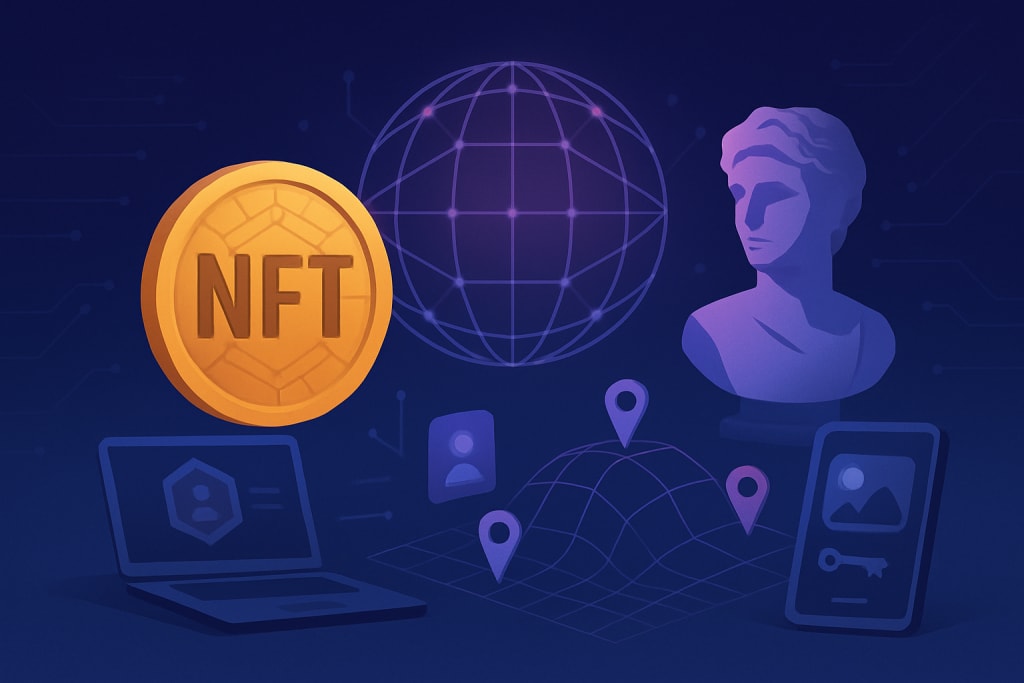
The evolution of technology has given rise to new, decentralized economies, with the Metaverse and Web3 standing at the forefront of this transformation. Businesses are increasingly looking for ways to leverage these emerging technologies to expand their reach, engage with new audiences, and tap into new revenue streams. One of the most innovative tools at their disposal is Non-Fungible Tokens (NFTs). These digital assets, which have gained significant popularity in recent years, are proving to be a key gateway for businesses to enter the Metaverse and Web3 economy.
In this article, we will explore how NFT development can empower businesses to tap into these new ecosystems, examine its potential applications, and discuss the strategies that companies can use to incorporate NFTs into their business models for growth and success.
Understanding the Metaverse and Web3 Economy
Before diving into how NFT development can help businesses, it’s crucial to understand what the Metaverse and Web3 economy entail. Both represent significant shifts from traditional, centralized internet models toward decentralized platforms where users have control over their data, assets, and identities.
The Metaverse: The Metaverse refers to a collective, virtual shared space that encompasses both augmented reality (AR) and virtual reality (VR). In the Metaverse, users can interact with each other and digital objects in real-time, creating immersive experiences. The Metaverse is often envisioned as the next phase of the internet, where digital and physical realities converge.
Web3 Economy: Web3 is a decentralized version of the internet where users control their data, assets, and identity through blockchain technology. Web3 allows for peer-to-peer interactions without the need for intermediaries, offering a level of transparency, security, and user empowerment that Web2, the current model of the internet, lacks. The Web3 economy is built around decentralized applications (dApps), cryptocurrencies, smart contracts, and NFTs.
The Role of NFTs in the Metaverse and Web3 Economy
NFTs are unique digital assets stored on a blockchain, which ensures their scarcity, ownership, and authenticity. Unlike cryptocurrencies, which are interchangeable, NFTs represent ownership of a specific asset, such as art, music, virtual land, or collectibles. This uniqueness is what makes NFTs a powerful tool for businesses in the Metaverse and Web3 economy.
NFTs are already being used in various sectors, including art, gaming, entertainment, and real estate, to create valuable assets and experiences. Businesses can leverage NFTs to enter the Metaverse and Web3 economy in a variety of ways.
Why NFT Development Is a Game-Changer for Businesses
Digital Asset Ownership and Monetization
NFTs allow businesses to create, own, and sell unique digital assets, opening up new revenue streams. For example, a fashion brand can create limited-edition digital clothing or accessories as NFTs that users can purchase, wear, or trade within virtual worlds. These assets can represent exclusive products, collectibles, or digital real estate, allowing businesses to monetize their intellectual property in innovative ways.
Example:
Fashion Brands: Fashion brands like Gucci and Prada have begun exploring NFT fashion collections, allowing users to buy digital garments and showcase them in virtual spaces. These NFTs not only generate revenue but also enable the brand to reach younger, tech-savvy audiences who are active in the Metaverse.
Digital Art: Artists and companies are also using NFTs to create and sell digital art, leveraging blockchain’s authenticity to ensure that the digital asset is unique and valuable. The NFT marketplace has become a major platform for the art world to explore new business models.
Virtual Goods and Experiences
One of the most significant ways NFTs can help businesses tap into the Metaverse is through the creation and sale of virtual goods and experiences. In virtual worlds, NFTs can be used to represent anything from clothing and accessories to in-game items and land. These digital assets have real-world value, as they can be traded, sold, or used within the Metaverse.
Example:
Gaming: In the gaming industry, NFTs have revolutionized how in-game assets are bought, sold, and traded. Game developers can create exclusive in-game items, such as weapons, skins, and avatars, as NFTs. These items can be traded among players, providing players with ownership of their virtual goods while creating new revenue opportunities for game developers.
Virtual Real Estate: Platforms like Decentraland and The Sandbox have enabled users to buy, sell, and build on virtual land using NFTs. Businesses can purchase virtual properties and create branded spaces in the Metaverse, offering virtual experiences, events, or advertisements.
Brand Loyalty and Community Engagement
NFTs can help businesses build deeper relationships with their customers through loyalty programs, exclusive rewards, and community engagement. By issuing branded NFTs as rewards, businesses can incentivize customer engagement, encourage repeat purchases, and create a sense of exclusivity. These NFTs can represent access to special products, services, or events.
Example:
NFT Loyalty Programs: Companies can create NFT-based loyalty programs, where customers who make certain purchases or engage with the brand in specific ways are rewarded with NFTs. These NFTs can provide access to exclusive discounts, content, or experiences within the Metaverse.
Community Building: NFTs also enable businesses to build communities around their brand. By offering NFTs as rewards for engaging with the brand, businesses can create a sense of belonging and exclusivity. This can lead to increased customer retention and brand advocacy.
Enhancing Customer Data and Personalization
NFTs are not just limited to digital assets but can also play a role in improving customer experiences through personalization. By using NFTs as unique identifiers, businesses can offer tailored experiences for users based on their preferences, purchase history, or past interactions with the brand.
Example:
Personalized Experiences: A company might issue NFTs to frequent customers that allow them to access personalized content, such as product recommendations, special promotions, or VIP customer service. The NFT can act as a key to unlock these personalized experiences, enhancing customer satisfaction and loyalty.
Cross-Platform Integration and Interoperability
One of the most exciting possibilities of NFT development is the ability to create cross-platform experiences in the Metaverse. NFTs can be designed to be interoperable across different virtual worlds, enabling users to take their digital assets from one platform to another. This interoperability gives businesses the opportunity to create a seamless, cross-platform presence.
Example:
Cross-Platform Gaming: In the Metaverse, NFTs can be used to create cross-platform gaming assets that work across multiple games and virtual worlds. This allows businesses to tap into a larger audience and increase the perceived value of their NFTs.
Enhanced Transparency and Trust
The transparency provided by blockchain technology ensures that NFTs are traceable, verifiable, and cannot be tampered with. This builds trust with consumers, as they can be certain of the ownership and provenance of the NFTs they purchase.
Example:
Supply Chain Transparency: Businesses can use NFTs to track the origin and authenticity of physical products. For instance, a luxury goods brand could use NFTs to prove the authenticity and provenance of its products, increasing customer trust and reducing the risk of counterfeiting.
Fundraising and Crowdfunding Opportunities
NFTs can also serve as a powerful tool for businesses looking to raise capital through fundraising or crowdfunding. By offering NFTs as part of a fundraising campaign, businesses can tap into new forms of investment and attract backers who are interested in the unique digital assets associated with the project.
Example:
NFT-Based Fundraising: Startups and established companies alike can issue NFTs as part of an Initial NFT Offering (INO), allowing investors to purchase exclusive digital assets in exchange for financial support. This opens up new ways for businesses to raise capital, particularly in the Web3 space.
Conclusion:
NFTs offer a myriad of opportunities for businesses to engage with the Metaverse and Web3 economy. Whether through the creation of digital assets, virtual goods, exclusive experiences, or community engagement programs, NFTs provide businesses with the tools to innovate and tap into emerging markets. As the Metaverse and Web3 economy continue to grow, the potential for NFT development to revolutionize business models is limitless.
By integrating NFTs into their operations, businesses can create new revenue streams, enhance customer loyalty, and build stronger, more engaged communities. With the right strategy and execution, NFT development can position businesses at the forefront of the digital revolution, ensuring long-term success in the rapidly evolving Metaverse and Web3 economy.
About the Creator
Gabrielle
Blockchain enthusiast and NFT writer dedicated to merging technology with art on decentralized platforms, driving innovation for a creative future. Embracing the potential of digital expression.
How Bitcoin Mining Software Works: A Complete Step-by-Step Guide
Bitcoin has become one of the most widely recognized digital currencies in the world. Since its introduction, it has transformed the way people think about money, decentralization, and digital assets. Behind the Bitcoin network lies a powerful process known as mining, which keeps the system secure and operational. For beginners who want to explore this process, understanding Bitcoin mining software is an important first step.
By smithtaylor5 days ago in The Chain
How Bitcoin Is Changing the Digital Payment Industry
The digital payment industry has undergone significant changes over the past two decades as technological innovation continues to reshape financial services. Traditional payment systems, which rely on banks, credit card networks, and payment processors, were once the primary method for conducting online transactions. However, the emergence of cryptocurrencies—particularly Bitcoin—has introduced a new model for digital payments that operates independently of traditional financial institutions.
By Backlinks Cart6 days ago in The Chain



Comments
There are no comments for this story
Be the first to respond and start the conversation.