
Flare Network: Unlocking the Potential of DeFi for Non-Smart Contract Blockchains
DeFi is booming in the blockchain world, with billions tied up in various protocols. But many well-known cryptocurrencies have missed out because they lack smart contract support.


The blockchain and cryptocurrency scene is buzzing with thrilling opportunities, particularly in decentralized finance (DeFi). DeFi lets folks lend, borrow, trade, and earn interest on their crypto without relying on banks or other intermediaries.
But not every blockchain can dive into DeFi. Take Ripple (XRP) and Litecoin (LTC), for instance. They were designed for quick and affordable transactions but lack support for smart contracts, which are essential for DeFi.
That's where Flare Network steps in. Flare is a blockchain platform that introduces DeFi and smart contracts to networks like XRP and Litecoin.
With its cutting-edge technology, Flare is paving the way for new possibilities within these ecosystems, making DeFi more accessible than ever. In this article, we'll dive into how Flare operates, its standout features like FAssets, and why it's generating buzz among newcomers and investors.
So, what is Flare Network?
Flare Network is a blockchain platform aimed at bringing smart contracts and DeFi to blockchains that don't have native support for them. Smart contracts function like self-executing programs on a blockchain, facilitating lending, borrowing, and trading without the need for middlemen.
While blockchains like Ethereum come with built-in smart contract capabilities, others like XRP and Litecoin do not.
Flare addresses this gap by serving as a bridge. It enables assets from non-smart contract chains to be utilized in DeFi applications, unlocking fresh opportunities for users and developers. Central to this innovation is a technology known as FAssets.
What Are FAssets?
FAssets are one of the standout features of Flare. They represent non-smart contract assets (like XRP or Litecoin) on the Flare network. Here's how they function:
Wrap Your Assets: If you have XRP or Litecoin, you can "wrap" these assets into FAssets on the Flare network. This process creates a version of your asset that can be utilized in DeFi applications.
Using FAssets in DeFi: Once you wrap your assets into FAssets, you can dive into DeFi apps for lending, borrowing, staking, and trading. For instance, you could lend out your XRP, in a form of FXRP, to earn some interest or use it as collateral to snag other cryptocurrencies.
Unwrapping and Returning: When you're finished with your FAssets, you can unwrap them and get them back to their original state. From FXRP, back to XRP again.
This whole process lets assets like XRP and Litecoin join the DeFi scene for the first time, unlocking a ton of value for their owners.
Why is Flare a Game Changer for DeFi?
DeFi is booming in the blockchain world, with billions tied up in various protocols. But many well-known cryptocurrencies, such as XRP and Litecoin, have missed out because they lack smart contract support.
Flare flips the script by allowing these assets to enter the DeFi space. Here's why that's significant:
More Options for Users
Thanks to Flare, holders of XRP and Litecoin can now get in on DeFi action. This means they can earn interest on their assets, use them as collateral, or trade on decentralized exchanges (DEXs). For many, this opens up a whole new world of crypto possibilities.
Boosted Liquidity
By integrating assets like XRP and Litecoin into DeFi, Flare enhances liquidity in the ecosystem. This is a win-win, making markets more efficient and lowering trading costs for everyone.
Interoperability
Flare isn't just about XRP and Litecoin. Its tech can be extended to other non-smart contract chains, paving the way for a more connected blockchain ecosystem. This interoperability is a crucial step toward a future where different blockchains can collaborate effortlessly.
How Does Flare Function?
Flare operates through a mix of cutting-edge technologies that make everything work smoothly:
1. Ethereum Virtual Machine (EVM) Compatibility
Flare is built on the Ethereum Virtual Machine (EVM), the same tech that powers Ethereum's smart contracts. This allows developers to easily transfer their Ethereum-based dApps to Flare, and users can engage with these apps using familiar tools like MetaMask.
2. Flare Time Series Oracle (FTSO)
DeFi applications need accurate and timely data, like asset prices. Flare's FTSO (Flare Time Series Oracle) delivers decentralized data feeds to the network, ensuring that DeFi apps have the necessary information to operate effectively.
3. Federated Byzantine Agreement (FBA) Consensus
Flare employs a consensus mechanism known as Federated Byzantine Agreement (FBA), which is designed to be quick, secure, and energy-efficient. This makes Flare a scalable platform capable of meeting the demands of DeFi and other applications.
Why Should You Pay Attention to Flare?
If you're just getting into crypto or DeFi, Flare is definitely a project to keep an eye on. Here's why:
1. Accessibility
Flare opens up DeFi to a wider audience by allowing assets like XRP and Litecoin to get involved. If you own these assets, you can now use them in ways that were previously out of reach.
2. Innovation
Flare's technology is revolutionary. By enabling smart contracts for chains that don't typically support them, Flare is expanding the possibilities in the blockchain world.
3. Growth Potential
As more people learn about Flare and what it can do, the platform is likely to expand. This could lead to a higher demand for Flare's native token, FLR, which is used for transactions, staking, and governance on the network.
So, how to get started with Flare?
If you're keen on diving into Flare and its DeFi scene, here's a simple guide to kick things off:
1. Get Your FLR Tokens: FLR is the main token for the Flare network. You can grab it on various exchanges or earn it by staking and participating in other activities.
2. Wrap Your Assets: If you have XRP or Litecoin, you can convert them into FAssets to use in DeFi applications.
3. Discover DeFi on Flare: Take a look at the DeFi apps available on Flare, like lending platforms, decentralized exchanges, and staking options.
4. Keep Yourself Updated: Follow Flare's official channels and community forums to stay in the loop about new updates and opportunities.
Flare Network is shaking things up in the blockchain world. By integrating DeFi and smart contracts with non-smart contract chains like XRP and Litecoin, Flare is opening up new avenues for millions of users. Its cutting-edge technology, including FAssets and the FTSO, makes it a standout project with great growth potential.
For those new to the scene, Flare provides an easy entry point into DeFi and the blockchain universe. And for investors, FLR is a chance to be part of a project that's redefining what's possible in the crypto space.
Whether you're a crypto buff or just curious about DeFi, Flare is definitely a project to watch. The future of finance is decentralized, and Flare is making it accessible for everyone.
About the Creator
Fidelis Cryptorum
In crypto since yesterday. Writing and reading is in my blood since I was born. Learning new things everyday, everywhere, anywhere, anytime.
Keep reading
More stories from Fidelis Cryptorum and writers in The Chain and other communities.
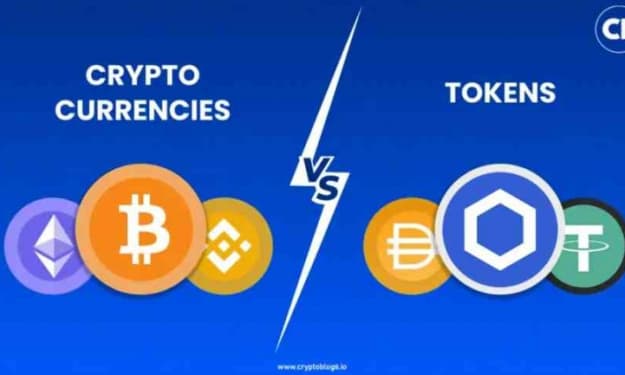
What's the Difference Between Coins and Tokens in the Crypto Space?
In the crypto space, you'll come across two main types of digital assets: coins and tokens. They might seem similar at first glance, but they actually serve different purposes. So, what sets them apart?
By Fidelis Cryptorumabout a year ago in The Chain
Modern Machine Learning Techniques Redefining AI Systems
Let's be honest — most of us interact with AI every single day without really thinking about it. The moment your inbox filters out spam, your streaming app suggests the perfect show, or your bank flags a suspicious transaction before you even notice it — that's machine learning quietly doing its job. But what's actually happening under the hood? And why does it matter for you or your business?
By Technoloadera day ago in The Chain



Comments
There are no comments for this story
Be the first to respond and start the conversation.