
A Beginner’s Guide to Tokenomics for Decentralized Finance (DeFi)
Discover a beginner-friendly guide to tokenomics in Decentralized Finance (DeFi). Learn how token design influences value, governance, and community growth to make smarter investment decisions in the evolving DeFi landscape.

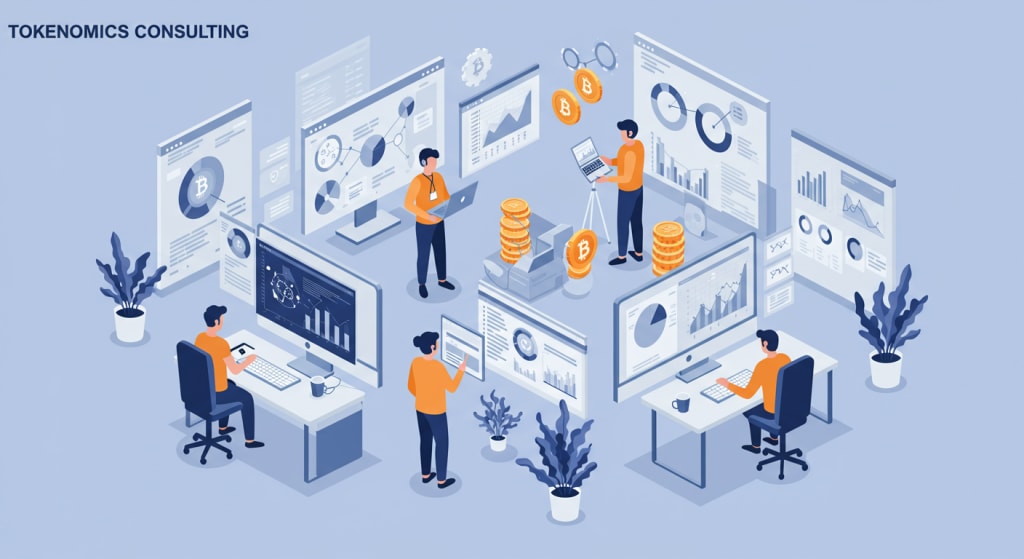
In the world of DeFi, how tokens are supplied and distributed is crucial to the ecosystem’s health and growth. Token supply models come in several forms: fixed supply, where the total tokens are capped; inflationary, where new tokens are gradually introduced; and deflationary, where tokens are actively removed from circulation to increase scarcity. Distribution methods are just as important; they include mechanisms like Initial Coin Offerings (ICOs), airdrops that reward early users, yield farming that incentivizes liquidity provision, and fair launches aimed at community inclusivity. Equally vital is how tokens are allocated among founders, investors, and the community to ensure alignment of interests and avoid concentration of power. Additionally, token vesting schedules and lock-up agreements prevent insiders from dumping tokens immediately, helping maintain stability. These core components form the backbone of effective tokenomics, ensuring tokens serve their intended purpose while fostering trust and engagement.
Understanding the Critical Role of Tokenomics in DeFi
DeFi is revolutionizing the financial world by providing decentralized options that challenge traditional banking and investment models. Understanding tokenomics is essential for anyone looking to navigate or invest in this space confidently. This guide breaks down the core principles of tokenomics and explains how it drives value, participation, and sustainability in decentralized finance.
What is Tokenomics? Tokenomics analyzes the economic mechanisms and purposes of tokens across blockchain platforms.It goes beyond simple token counts to include supply, demand, distribution, and utility, shaping user behavior and project success.
Why Tokenomics Matters in DeFi : Tokens power DeFi platforms by enabling governance, incentivizing users, and maintaining liquidity. Well-structured tokenomics not only attract users and investors but also lay the foundation for long-term sustainability. For projects aiming to refine their strategy, professional tokenomics consulting can ensure that token models align with both market expectations and community goals.
How This Guide Helps You : Whether you're a beginner or a curious investor, this guide simplifies tokenomics concepts, helping you make informed decisions and understand the driving forces behind DeFi projects.
Core Components of Tokenomics in Decentralized Finance
To truly understand how DeFi projects thrive, you need to grasp the core building blocks of tokenomics. This section breaks down how tokens are created, distributed, and allocated to maintain balance and growth. From supply models to distribution strategies, each component plays a key role in shaping a project’s economic health and user engagement. Let’s explore these vital mechanisms that keep DeFi ecosystems running smoothly.
Token Supply Mechanisms: Token supply models can be fixed, inflationary, or deflationary. A fixed supply caps the total token quantity, creating scarcity. Inflationary models gradually introduce new tokens to reward users, whereas deflationary models decrease the supply by burning tokens, which can increase their value.
Distribution Methods: Tokens reach users through ICOs, airdrops, yield farming, or fair launches. ICOs raise funds early, airdrops attract users with free tokens, yield farming rewards liquidity providers, and fair launches ensure open, equal token distribution.
Strategic Token Allocation: Tokens are distributed among the creators, investors, and community. Founders and teams usually have vesting schedules to prevent early selling. Investors provide capital, but must be balanced with community interests to avoid centralization, while community allocations promote participation.
Token Vesting and Lock-Up Agreements: Vesting schedules gradually release tokens over time, preventing large sell-offs that could crash prices. Lock-up agreements restrict token sales for a set period, helping maintain stability and build investor confidence.
Tokenomics as a Driver of Value and User Engagement
Tokenomics is more than just numbers; it is the engine that promotes user engagement and project value in DeFi. Well-designed incentive structures encourage people to stick around, contribute, and grow the ecosystem. Scarcity and smart supply controls help maintain token value, while mechanisms like token burns and buybacks add stability. Balancing inflation and deflation is key to keeping a healthy, sustainable token economy that rewards loyal users and attracts new ones.
Incentive Structures: Rewards, Staking, and Yield Farming Explained Rewards motivate users to stay active, whether by staking tokens to secure the network or yield farming to earn additional tokens. These incentives align user interests with the platform’s success, boosting engagement and liquidity.
Mechanisms Ensuring Scarcity and Value Retention: Scarcity increases token demand, helping maintain or raise value. Limiting supply, locking tokens, or controlling release schedules ensures tokens don’t flood the market, protecting holders’ investments.
Utilization of Token Burns and Buyback Programs : Token burns eliminate tokens from circulation permanently, decreasing supply and potentially increasing their value. Buyback programs use project funds to repurchase tokens, signaling confidence and supporting the price floor.
Maintaining Equilibrium Between Inflationary and Deflationary Pressures : Striking the right balance keeps the token economy healthy. Inflation drives growth and rewards participants, whereas deflation manages supply and preserves value, maintaining a balanced ecosystem.
Governance Mechanisms and Tokenomics: Community Empowerment
Governance tokens give users a voice in shaping DeFi projects, turning holders into active decision-makers. This decentralized approach fosters transparency and collective control, but it also requires clear rules to avoid conflicts. Understanding how governance works helps you see the bigger picture of project evolution and community power.
Principles of Decentralized Governance in DeFi : Decentralized governance distributes power among token holders rather than a central authority. It encourages community voting on proposals, making projects more democratic and adaptable.
Influence of Governance Tokens on Project Decision-Making : Governance tokens allow holders to vote on upgrades, fund allocation, or protocol changes.Holding more tokens grants greater influence, allowing you to help steer the project's direction.
Procedures for Voting, Proposal Submission, and Community Participation: Proposals can be submitted by anyone in the community and are voted on by token holders. This process fosters engagement and ensures diverse input on key decisions.
Potential Risks and Limitations Within Governance Frameworks : Risks include voter apathy, concentration of tokens among whales, and decision-making delays. Awareness of these challenges helps users navigate governance effectively.
Case Studies and Analysis of Leading DeFi Tokenomics Models
To truly understand how tokenomics shapes the success or failure of DeFi projects, looking at real-life examples is invaluable. This section dives into the tokenomics models of leading platforms like Uniswap and Aave, breaking down what works and why. By examining these case studies, you’ll discover key strategies for effective token distribution, governance, and incentives, as well as learn important lessons from tokenomics pitfalls. These insights offer a roadmap for spotting sustainable projects and avoiding common traps.
Uniswap’s Tokenomics and Growth Trajectory : Uniswap’s model rewards liquidity providers and uses governance tokens to involve the community. Its decentralized nature and incentives helped it become a top DeFi exchange.
Aave’s Governance and Incentive Design : Aave combines staking rewards with governance tokens to empower users. Its tokenomics encourage participation while maintaining strong security and liquidity.
Insights from Successful DeFi Tokenomics Frameworks: Typical characteristics include clear token distribution, well-balanced incentives, and strong community involvement. These frameworks promote sustainability and trust.
Lessons from Tokenomics Failures and Associated Risks : Poorly designed tokenomics can lead to pump-and-dump schemes or unsustainable inflation. Studying failures reveals the importance of careful planning and ongoing adjustments.
Evaluative Criteria for Assessing DeFi Tokenomics Prior to Investment
Investing in DeFi can be exciting but risky, so understanding how to evaluate tokenomics is essential before committing your funds. This section breaks down the key criteria you should analyze to gauge a project’s potential and safety. From important metrics like market cap and circulating supply to spotting warning signs, these insights will help you separate promising ventures from those with shaky foundations. Equipped with the right tools and knowledge, you’ll make smarter, more confident investment decisions.
Key Performance Indicators: Market Capitalization, Circulating Supply, and Others : Market cap shows a token’s total value, while circulating supply tells you how many tokens are actively traded. Other KPIs like trading volume and liquidity also reveal project health.
Identifying Warning Signs Within Tokenomics Structures : Beware of massive token allocations to founders or investors, unclear distribution plans, or no vesting schedules. These can hint at potential manipulation or instability.
Utilizing Tokenomics to Assess Project Sustainability and Viability : Strong tokenomics balance incentives with scarcity and include governance mechanisms. This balance supports long-term growth rather than short-term hype.
Recommended Analytical Tools and Research Resources : Platforms like CoinGecko, DeFi Pulse, and project whitepapers offer valuable data. Combining these with community feedback helps you build a comprehensive view.
How Tokenomics Builds Strong and Engaged DeFi Communities
Strong tokenomics are more than just numbers they’re the foundation for building passionate, engaged communities that drive DeFi projects forward. This section explores how thoughtful token design encourages participation, loyalty, and collective growth, turning users into active stakeholders who shape the future of the ecosystem.
Tokenomics Strategies That Promote User Engagement and Retention : Reward programs, staking benefits, and gamified incentives keep users coming back and actively involved in the project’s success.
Designing Reward Systems to Enhance Loyalty and Trust : Transparent, fair reward mechanisms build confidence and encourage long-term commitment, making users feel valued.
Facilitating Community-Driven Growth Through Token Incentives : Tokens that empower governance and contributions motivate community members to take ownership and participate in decision-making.
Case Examples Demonstrating Community Success via Tokenomics : Projects such as Compound and MakerDAO demonstrate how effective tokenomics can drive thriving, self-sufficient communities.
Conclusion: Leveraging Tokenomics for Strategic Advantage in DeFi
Tokenomics is the driving force of DeFi, influencing value, governance, and how communities engage. Understanding its principles helps you navigate this fast-evolving space with confidence and spot projects built for the long haul. By mastering token supply, incentives, governance, and community dynamics, you gain a strategic edge in making smarter investment and participation choices. Stay curious, keep learning, and embrace the dynamic world of DeFi tokenomics to unlock its full potential.
About the Creator
Alexei
A blockchain token development specialist skilled in Solidity and Rust, building secure, compliant, and scalable digital assets, with strong experience in smart contracts, security audits, and DApp integration.
How to Reduce Crypto Token Development and Launch Costs?
Launching a crypto token often looks deceptively simple from the outside. Smart contracts can be deployed in minutes. Token standards are well documented. Marketing channels are accessible. Yet founders frequently discover that what seemed like a modest technical exercise turns into a six-figure undertaking. Development, audits, legal structuring, exchange listings, liquidity provisioning, branding, community management, and post-launch maintenance compound rapidly.
By Jennifer Atkinson4 days ago in The Chain
How Stablecoin Issuers Make Money: 12 Proven Revenue Models
Stablecoins have become a cornerstone of the digital asset ecosystem, offering price stability in an otherwise volatile market. As demand surges—from retail traders hedging risk to large institutions conducting cross-border settlements—the question arises: How Stablecoin Issuers Make Money. Unlike pure speculative tokens, stablecoins must maintain a peg to fiat or another asset, which creates unique revenue opportunities. In this post, we unpack each model, illustrate with case studies, and outline strategic considerations for issuers aiming for both profitability and trust.
By Siddarth D7 days ago in The Chain


Comments
There are no comments for this story
Be the first to respond and start the conversation.