
Why Tile is the Smartest Flooring Investment for Rental Properties
The Practical Benefits of Choosing Tile for Tenant-Friendly Spaces
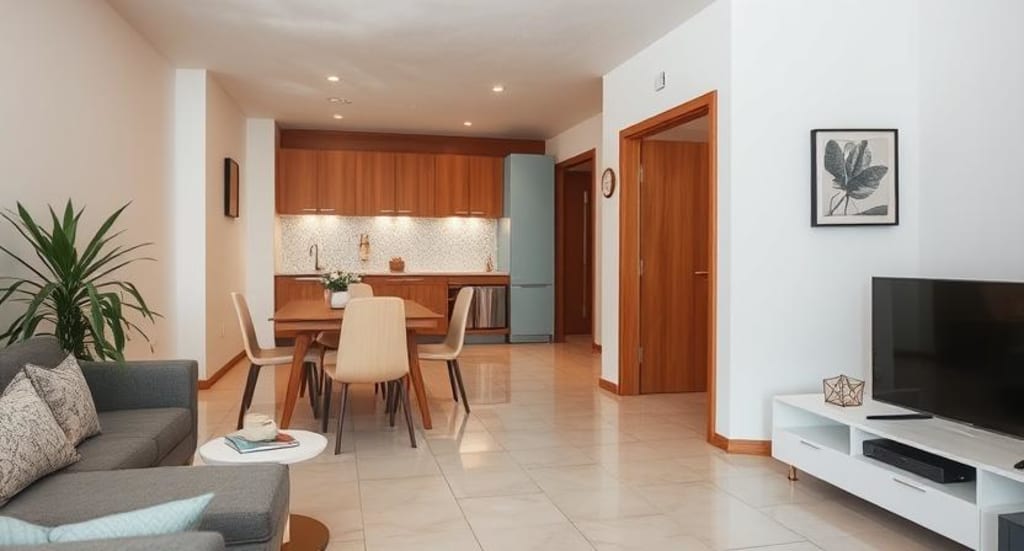
When managing a rental property, every decision impacts your bottom line and tenant satisfaction. Among these, choosing the right flooring is critical, as it affects durability, maintenance costs, and the property’s appeal. While options like carpet, hardwood, and luxury vinyl have their merits, tile flooring—particularly ceramic and porcelain—stands out as the smartest investment for rental properties. Its unmatched durability, low maintenance requirements, aesthetic versatility, hygienic properties, and long-term cost-effectiveness make it an ideal choice for landlords aiming to maximize value while providing a high-quality living space for tenants. In this comprehensive guide, we’ll explore why tile is the top flooring option for rentals, address its potential drawbacks, compare it to other materials, and offer practical tips for landlords.
The Benefits of Tile for Rental Properties
Tile flooring offers a unique combination of practical and aesthetic advantages that make it particularly well-suited for rental properties. Below, we delve into the key benefits that position tile as a superior choice.
Unmatched Durability
Tile flooring, especially ceramic and porcelain, is renowned for its exceptional durability. It can withstand heavy foot traffic, scratches, and stains—common challenges in rental properties where tenants may not always treat surfaces with care. Whether it’s children playing, pets running around, or furniture being moved, tile holds up remarkably well. According to industry insights, tile is virtually indestructible under normal use, making it ideal for high-traffic areas like kitchens, bathrooms, and entryways. Unlike carpet, which can wear out quickly, or hardwood, which is prone to scratches, tile maintains its integrity over years of use, reducing the need for costly replacements.
Low Maintenance Requirements
One of tile’s most appealing features is its low maintenance. Regular cleaning involves simple sweeping or vacuuming to remove dirt and debris, followed by occasional damp mopping with a pH-neutral cleaner. Spills, which are inevitable in rentals, can be wiped up easily without leaving stains or odors. If a tile becomes damaged—say, from a dropped heavy object—it can be replaced individually without tearing up the entire floor, minimizing disruption and cost. This ease of maintenance is a significant advantage for landlords who may not live on-site and rely on tenants to care for the property. Unlike hardwood, which requires periodic refinishing, or carpet, which needs frequent deep cleaning, tile’s upkeep is straightforward and cost-effective.
Aesthetic Versatility
Tile flooring offers unparalleled aesthetic flexibility, allowing landlords to create a visually appealing space that attracts tenants. Available in a wide range of styles, colors, patterns, and sizes, tile can suit any design preference, from classic subway tiles to modern geometric patterns. Advanced manufacturing techniques enable tiles to mimic the look of natural materials like wood, stone, or marble, providing a premium aesthetic at a fraction of the cost. This versatility allows landlords to customize the property to appeal to a broad tenant base, enhancing its marketability. For example, a sleek, wood-look porcelain tile can give a living room a warm, inviting feel, while a glossy ceramic tile can elevate a bathroom’s appeal. This aesthetic appeal not only attracts tenants but can also increase the property’s perceived value.
Hygienic Properties
Tile is non-porous, meaning it doesn’t harbor allergens, dust, or odors—a critical advantage for rental properties. This makes it an excellent choice for tenants with allergies or those with pets, as it creates a healthier living environment. Unlike carpet, which can trap pet dander, dust mites, and odors, tile is easy to keep clean and hygienic. This quality is particularly appealing to families or health-conscious renters, making the property more competitive in the rental market. Additionally, tile’s resistance to moisture helps prevent mold growth, a common concern in humid climates or areas like bathrooms and kitchens.
Long-Term Cost-Effectiveness
While tile may have a higher upfront cost compared to options like carpet or vinyl, its longevity makes it a cost-effective choice over time. A life cycle cost analysis by the Tile Council of North America indicates that tile flooring can last 20 to 50 years or more with proper care, far outlasting carpet (5–10 years), laminate (10–15 years), or even hardwood (15–25 years with refinishing). The study estimates tile’s cost per year at $0.10–$0.20 per square foot, among the lowest of all flooring types. This longevity translates to significant savings for landlords, as it reduces the frequency of replacements and maintenance expenses. For rental properties, where tenant turnover can lead to wear and tear, tile’s durability ensures long-term value.
Addressing Potential Drawbacks
While tile flooring offers numerous benefits, it’s important to consider its potential drawbacks to provide a balanced perspective for landlords:
- Higher Upfront Cost: Tile, particularly porcelain, can be more expensive to purchase and install than carpet or vinyl. Professional installation is often recommended to ensure a proper fit and avoid issues like cracking, which can add to the initial cost.
- Cold Surface: Tile can feel cold underfoot, especially in colder climates, which may be less comfortable for tenants. This can be mitigated with area rugs or underfloor heating systems, though these add to the cost.
- Weight Considerations: Tile is heavy, which may pose structural concerns for upper-floor units in older buildings. Landlords should consult with a structural engineer to ensure the building can support tile flooring.
- Grout Maintenance: The grout lines between tiles can be prone to staining and may require periodic sealing to maintain their appearance. However, with proper care, this issue can be managed effectively.
Despite these considerations, the long-term benefits of tile—such as its durability, low maintenance, and cost-effectiveness—often outweigh these drawbacks, making it a worthwhile investment for rental properties.
Comparing Tile to Other Flooring Options
When evaluating flooring options for rental properties, tile consistently stands out across key decision-making factors like cost, durability, maintenance, and aesthetic appeal. Ceramic and porcelain tiles typically come at a moderate to high initial cost—ranging between $6 to $10 per square foot—but they offer unmatched long-term value. They’re extremely durable, highly resistant to scratches, stains, and water, and require very little maintenance beyond routine sweeping, mopping, and the occasional grout sealing. Visually, tile is one of the most versatile materials available, capable of mimicking the look of wood, stone, or concrete to suit a variety of interior design preferences. With a lifespan of 20 to 50 years or more, tile easily outlasts most alternatives.
In contrast, luxury vinyl plank or tile (LVP/LVT) is cheaper upfront at around $2 to $7 per square foot and offers decent durability and water resistance. It’s also low-maintenance and available in designs that imitate natural materials. However, it tends to look and feel less premium than real tile, and it typically needs replacing within 10 to 15 years. Carpet is even more affordable at $1 to $5 per square foot but lacks durability—being prone to stains, matting, and wear—and demands high maintenance, including frequent cleaning and replacement every 5 to 10 years. Though cozy, carpet is increasingly seen as outdated in modern rentals. Hardwood, while offering timeless beauty and strong tenant appeal, is the most expensive option at $8 to $15 per square foot. It’s moderately durable but susceptible to scratches and water damage, and it requires regular refinishing to maintain its look. Even then, its lifespan is about 15 to 25 years with good care.
Compared to these alternatives, tile provides the best balance of longevity, tenant-proof performance, and low maintenance—all of which make it a superior flooring investment for landlords and property managers.
- Luxury Vinyl Plank/Tile (LVP/LVT): LVP/LVT is gaining popularity for its affordability, durability, and ability to mimic wood or stone. It’s waterproof and easy to install, making it a strong contender for rentals. However, its lifespan is typically 10–15 years, significantly shorter than tile’s 20–50 years. While LVP/LVT is cost-effective upfront, tile’s longevity and premium aesthetic make it a better long-term investment.
- Carpet: Carpet is affordable and comfortable, offering warmth and noise reduction, which is appealing in bedrooms or shared spaces. However, it’s prone to stains, odors, and wear, requiring frequent cleaning and replacement every 5–10 years. For rentals with pets or high turnover, carpet is less practical than tile, which is stain-resistant and easier to maintain.
- Hardwood: Hardwood is a premium option that can increase a property’s value and appeal. However, it’s susceptible to scratches, dents, and water damage, making it less durable in rental settings. Hardwood also requires regular maintenance, such as refinishing, which can be costly. Tile offers similar aesthetic appeal with greater durability and lower long-term costs.
Based on this comparison, tile provides the best balance of durability, low maintenance, and long-term value, making it the smartest choice for rental properties.
Practical Tips for Landlords Choosing Tile
Selecting and installing tile for a rental property requires careful consideration to maximize its benefits. Here are some practical tips for landlords:
- Choose the Right Type of Tile: Porcelain tiles are more durable and water-resistant than ceramic, making them ideal for high-moisture areas like kitchens and bathrooms. Ceramic tiles are suitable for less trafficked areas like hallways or bedrooms. For added safety, consider slip-resistant tiles in wet areas.
- Consider the Property’s Layout: Larger tiles can make small spaces feel bigger, while smaller tiles or intricate patterns can add character to larger areas. Think about the property’s design and the preferences of your target tenant demographic.
- Prioritize Tenant Needs: Opt for tiles that are easy to clean and maintain to accommodate busy tenants. Neutral colors and timeless designs can appeal to a broader audience, ensuring the property remains competitive in the rental market.
- Invest in Professional Installation: Proper installation is critical to tile’s longevity. Poorly installed tiles can crack or become uneven, leading to costly repairs. Hire experienced professionals to ensure a high-quality finish.
- Budget for Accessories: Consider adding area rugs to address tile’s coldness or underfloor heating for added comfort, especially in colder climates. These can enhance tenant satisfaction without compromising tile’s benefits.
Maintenance Practices for Tile Flooring
To maximize the lifespan and appearance of tile flooring, landlords should follow these maintenance practices:
- Regular Cleaning: Sweep or vacuum regularly to remove dirt and debris that could scratch the surface. Use a pH-neutral cleaner for mopping to avoid damaging the grout.
- Grout Care: Seal grout lines every 1–2 years to prevent staining and make cleaning easier. Address any grout discoloration promptly with specialized cleaners.
- Prompt Spill Cleanup: Wipe up spills immediately to prevent etching or staining, especially on natural stone tiles.
- Inspect for Damage: Periodically check for cracked or loose tiles and replace them as needed to maintain the floor’s integrity.
By adhering to these practices, landlords can ensure that tile flooring remains in excellent condition, preserving its value and appeal for years.
Conclusion
Tile flooring is the smartest investment for rental properties due to its exceptional durability, low maintenance requirements, aesthetic versatility, hygienic properties, and long-term cost-effectiveness. While the initial cost and installation may require a larger upfront investment, the savings from reduced maintenance and replacement costs, combined with tile’s ability to attract and retain tenants, make it a strategic choice for landlords. Its ability to withstand the wear and tear of tenant turnover, resist stains and odors, and offer a premium aesthetic ensures that tile delivers both practical and financial benefits.
For landlords in the Toronto area looking to upgrade their rental properties with high-quality tile flooring, visiting a Tile and Flooring Store in Toronto can provide access to a wide range of options and expert advice to ensure the best choice for their properties. By choosing tile, landlords can create a durable, attractive, and low-maintenance living space that enhances tenant satisfaction and protects their investment for decades to come.
About the Creator
Keep reading
More stories from Flooring Tips and writers in Styled and other communities.
Herringbone vs Chevron: How to Choose the Right Pattern for Your Space
In the world of interior design, the small details often make the biggest impact. The way a tile or wood plank is laid across a floor or wall can completely transform the mood of a room and the perception of its size. Patterns act like visual language: they convey movement and rhythm, create focal points, and complement the architectural features of a home. Two patterns that have stood the test of time and continue to inspire designers today are herringbone and chevron. Both involve zig‑zag arrangements, yet they are distinct in their geometry, installation, and effect. This long‑form guide explores the nuances of each pattern so you can make an informed decision about which is best for your project.
By Flooring Tips6 months ago in Styled
How Can You Style a White Abaya for Everyday Modest Fashion?
In the world of modest fashion, some pieces never lose their charm—and the white abaya is one of them. Timeless, graceful, and effortlessly elegant, a white abaya has become a staple for women who prefer modest dressing without compromising on modern style. Its simplicity allows endless styling possibilities, making it suitable for daily wear, work, college, errands, and even casual gatherings.
By Stylewithmea day ago in Styled
Is Ice Spice Hair Real Or Wear A Wig?
A lot of people have asked the same question online: is Ice Spice’s hair real, or does she wear a wig? Her big curly orange hair has become part of her signature look. When you see her on stage or in music videos, the curls look full, fluffy, and perfectly shaped. Naturally, people get curious.
By manman zhai2 days ago in Styled
Author’s Advice
If you would’ve asked me 20 years ago did I know I’d become a writer and an author, I would’ve said “nope, ain’t happening”. As fate would have it I did become an author and I can honestly say I’m loving it so far. It really does feel good to be a writer. I’ve learned a lot on this journey and I feel like with even me being as new to this world as I am, there’s some wisdom I need to share with every other aspiring author.
By Joe Patterson2 days ago in Journal



Comments
There are no comments for this story
Be the first to respond and start the conversation.