
Herringbone vs Chevron: How to Choose the Right Pattern for Your Space
From Style to Installation, Learn Which Geometric Pattern Brings Out the Best in Your Space.
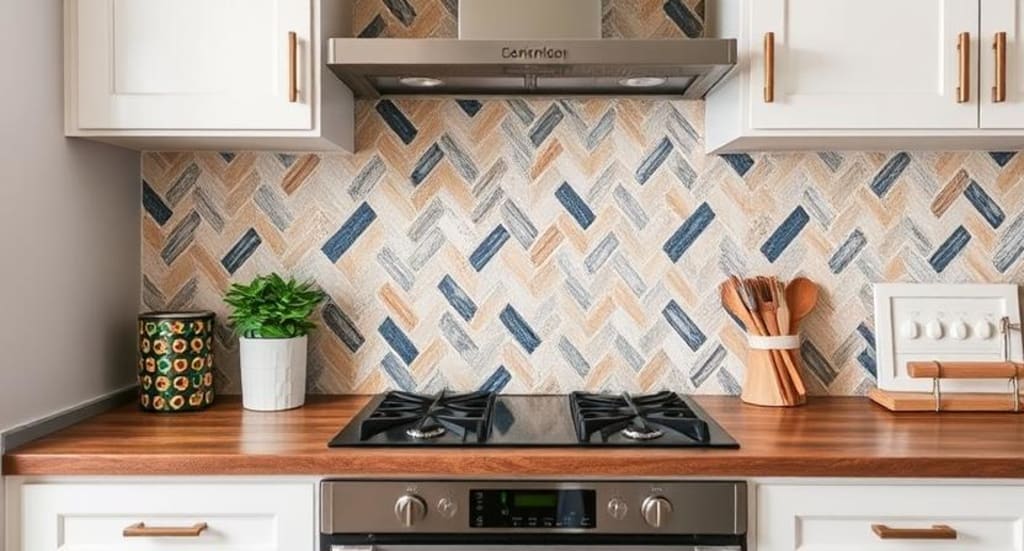
In the world of interior design, the small details often make the biggest impact. The way a tile or wood plank is laid across a floor or wall can completely transform the mood of a room and the perception of its size. Patterns act like visual language: they convey movement and rhythm, create focal points, and complement the architectural features of a home. Two patterns that have stood the test of time and continue to inspire designers today are herringbone and chevron. Both involve zig‑zag arrangements, yet they are distinct in their geometry, installation, and effect. This long‑form guide explores the nuances of each pattern so you can make an informed decision about which is best for your project.
Historical Roots of Zig‑Zag Patterns
Patterns that interlock in a zig‑zag are far from a modern invention. The herringbone layout can be traced back to ancient Roman roads and early European architecture. Builders discovered that placing rectangular pavers at right angles created a self‑supporting surface that could withstand heavy traffic. Over centuries, this geometric motif appeared in brickwork, textiles and parquet flooring, celebrated for both its stability and decorative flair. Chevron motifs have similarly deep roots, appearing in ancient pottery, heraldic shields and even military insignia. The word “chevron” itself comes from the French term for rafter, referring to the peaked shape created when two beams meet. By understanding the longevity of these patterns, we see they are not fleeting trends but rather timeless design choices that have adapted and evolved across cultures and eras.
During the Renaissance, artisans refined parquetry techniques, cutting wooden slats into precise shapes for intricate floors. Noble palaces across Europe boasted elaborate herringbone and chevron designs, showcasing craftsmanship and wealth. In the 19th and 20th centuries, pattern usage expanded with the industrial production of tiles and mosaics, bringing these motifs into the homes of a wider public. Today, the patterns remain popular because they offer an easy way to introduce texture and movement without relying on busy graphics or color combinations. Modern manufacturing methods have also made them more accessible; pre‑cut mosaics and engineered planks simplify installation and open the patterns to DIY enthusiasts. As we look to the past for inspiration, we can appreciate why herringbone and chevron continue to captivate homeowners and designers.
Understanding the Herringbone Pattern
At its core, the herringbone pattern is an arrangement of rectangular tiles or planks laid in a V‑shaped weave. Each piece is placed at a 90‑degree angle to the next, so the short end of one tile meets the long side of the adjacent tile. This creates a staggered zig‑zag, reminiscent of the skeletal structure of a fish—hence the name. When repeated across a surface, the pattern forms a textured expanse that looks dynamic yet orderly. What makes herringbone so versatile is that it can be executed with different ratios, tile sizes and orientations. A 2:1 ratio uses tiles that are twice as long as they are wide, creating a balanced, rhythmic look. A 3:1 or 6:1 ratio elongates the zig‑zag, making the pattern appear more stretched and subtle.
One of the appealing aspects of herringbone is the relative simplicity of installation. Because each piece remains a standard rectangle, there is no need for angled cuts. Installers begin by laying a central reference line in the room, ensuring the pattern is centered and square. Tiles are then set in pairs, one vertical and one horizontal, interlocking along the reference line and progressing outward. Proper spacing and alignment are essential; even minor deviations can become apparent because the pattern magnifies small errors. However, herringbone is more forgiving than it appears. The broken zig‑zag disguises slight inconsistencies and the numerous grout lines help absorb irregularities. For DIYers, the key is to take time with layout and use spacers to maintain consistent joints.
Beyond installation, herringbone is valued for its visual versatility. When oriented parallel to the longest wall, it can elongate a space; when rotated 45 degrees, it creates a sense of expansion in both width and depth. Using larger planks can make the pattern feel dramatic and luxurious, while smaller mosaics give it a refined, textured look. The pattern pairs beautifully with various materials: ceramic and porcelain tiles are durable and water‑resistant, making them ideal for kitchens and bathrooms; natural stone such as marble or travertine adds elegance and variation; and engineered hardwood or laminate brings warmth to living areas. For those looking to explore the possibilities, The Tile Shoppe offers a wide range of herringbone tiles and mosaics that suit different budgets, styles and practical needs.
Several variations of the herringbone pattern can elevate your design further. A double herringbone uses two tiles instead of one in each arm of the V, creating a bolder effect. A basket herringbone, in which small squares alternate with rectangular pieces, adds a woven texture reminiscent of a basket weave. Some designers experiment with alternating colors or finishes to accentuate the weave, using contrasting grout or mixing matte and glossy surfaces. Others integrate thin metal strips between rows for a hint of shine. When planning your project, consider whether you want the pattern to subtly complement the room or become a focal point that demands attention. Different tile sizes, color contrasts and layout directions will influence the mood, so lay out sample boards beforehand to see how the pattern interacts with light and scale.
Understanding the Chevron Pattern
While the herringbone pattern is composed of staggered rectangles, the chevron pattern relies on precise cuts to create continuous lines. Each tile or plank is cut at an angle—most commonly 45 degrees on each end. Two pieces meet to form a point, creating a “V” that directs the eye. When repeated, these V shapes align to produce a clean zig‑zag that flows seamlessly across the surface. The result is a pattern that appears more symmetrical and arrow‑like than herringbone. Depending on the angle of the cuts, the pattern can feel compressed or expanded: a 30‑degree cut generates a shallower V, giving the pattern a stretched look; a 60‑degree cut makes the V steeper and more pronounced.
The geometry of chevron means that installation is more involved than herringbone. Each piece must be cut to an exact angle and matched carefully to its partner so that the joint forms a perfect point. Cutting precision is critical because even slight deviations will cause misalignment along the rows, leading to uneven spacing and a distorted pattern. Because of the angled cuts, there is typically more material waste, and many installers recommend ordering extra tiles to accommodate mistakes and offcuts. To simplify the process, manufacturers often produce pre‑cut chevron planks or mosaic sheets that align automatically. These products reduce labour time and minimise waste, making the chevron look more accessible to DIY enthusiasts.
Visually, chevron is sleek and directional. The continuous V’s draw the eye in a specific direction and can make a room feel longer or taller depending on the orientation. When laid parallel to a hallway or along a narrow galley kitchen, chevron emphasises the length of the space. When laid diagonally relative to the walls, it adds a sense of movement and energy. In open‑plan living areas, chevron floors can subtly delineate zones by orienting the pattern toward a particular focal point like a fireplace or dining area. Because of its inherent symmetry, chevron pairs well with modern and minimalist interiors. It adds visual interest without being overly busy, and it complements streamlined furniture and simple colour palettes.
Like herringbone, chevron adapts to a variety of materials. Ceramic and porcelain chevron tiles offer durability and moisture resistance for kitchens and bathrooms. Natural stone chevron mosaics highlight the veining and variation of marble or limestone, creating a luxurious statement. Engineered hardwood in a chevron pattern lends a contemporary twist to traditional wood flooring. Larger planks accentuate the arrow shape and make a bold statement, while smaller mosaics provide subtle texture for backsplashes or shower walls. At The Tile Shoppe, you can explore a carefully curated chevron tile that showcases this eye‑catching pattern in different materials and finishes.
There are also variations within the chevron family. A double chevron uses two tiles for each arm of the V, creating thicker arrows and a stronger visual impact. Mixing colours or finishes within the V shapes can give the pattern a dynamic, striped appearance. Some designers rotate the pattern at 90 degrees to create vertical chevrons on walls, drawing the eye upward. Others insert contrasting bands or borders around the chevron field to frame the pattern. Because the angled joints are more visible than in herringbone, it is important to choose complementary grout colours and ensure precision in layout. When executed well, chevron introduces an element of sophistication and contemporary flair that can elevate any room.
Visual Differences and Psychological Impact
Although both herringbone and chevron feature zig‑zag motifs, their visual rhythms evoke different feelings. Herringbone’s broken, staggered pattern creates a sense of movement that is organic and woven. The eye bounces from one row to the next, following the alternating directions. This softens the geometric lines and makes the pattern feel warm and inviting. It is why herringbone surfaces are often described as timeless and classic; they blend seamlessly with diverse design styles, from rustic farmhouse to contemporary chic. Because the pattern breaks up the surface into smaller segments, it can make a room feel more textured and cosy without overwhelming the senses.
Chevron, on the other hand, is all about direction. The continuous V shapes act like arrows, guiding the gaze along a specific path. When oriented lengthwise, chevron can visually elongate a corridor or draw attention toward a particular focal point, such as a fireplace or statement wall. When installed vertically, it can make a low ceiling appear taller. The sharp points and symmetrical repetition give chevron a crisp, modern appearance that appeals to those seeking a clean, tailored look. However, because the lines are continuous, chevron can also feel more formal and structured, which suits minimalist or contemporary interiors.
Colour and contrast further influence the psychological impact of these patterns. Light‑coloured herringbone floors can brighten a space and enhance its airy feel, while dark tones introduce drama and sophistication. Pairing a herringbone pattern with a high‑contrast grout colour accentuates the geometry and gives the pattern a graphic quality. Conversely, using a grout colour close to the tile creates a subtle, textured effect. With chevron, the choice of colour and material determines whether the pattern becomes a bold statement or a subtle accent. Contrasting hues within the V shapes add dynamism, while monochromatic tones emphasise the sleekness of the pattern. By understanding these nuances, you can use pattern and colour to influence how a room feels—spacious or intimate, relaxed or energetic, classic or contemporary.
Installation and Material Considerations
Both herringbone and chevron patterns can be installed on floors and walls, but they come with different levels of complexity and material requirements. Understanding the installation process helps set realistic expectations for time, cost and labour, especially if you’re considering a DIY project.
- Preparing the substrate: Whether you’re tiling a backsplash or laying a hardwood floor, the surface must be clean, level and structurally sound. Uneven subfloors should be corrected with self‑levelling compound, and walls may require backerboard or plaster repair. Accurate measurements and a layout plan are critical. With herringbone, establishing a central reference line ensures the pattern stays symmetrical. With chevron, marking 45‑degree guidelines and test‑fitting a few pieces helps confirm the joints align correctly. Using a chalk line or laser level ensures your first row is straight, which is essential for both patterns.
- Adhesives and mortars: Choosing the right adhesive ensures that the tiles or planks remain secure over time. For porcelain and ceramic tiles, a high‑quality thinset mortar suited to the substrate and tile size is recommended. When installing large format tiles, a medium‑bed mortar can help achieve full coverage. For natural stone, select a white adhesive to prevent discoloration. Engineered hardwood or laminate requires either a specific wood glue or a click‑lock system depending on the product. Always follow manufacturer recommendations and consult a professional if in doubt. The Tile Shoppe’s range of installation materials includes mortars, adhesives and grouts designed to work with various tile types and patterns, ensuring a durable and long‑lasting surface.
- Cutting and layout: For herringbone, standard rectangular tiles mean fewer cuts, but precision is still important. The ends of the rows at the edges of the installation area will need to be cut to maintain the staggered pattern. Using a wet saw with a tile blade ensures clean cuts. For chevron, angled cuts are necessary unless you purchase pre‑cut pieces. If you’re cutting your own, use a miter saw or a tile saw set to the desired angle. Measure carefully and mark the tiles to avoid mistakes. Dry‑laying the first few rows before applying adhesive helps identify any issues. Remember to account for grout joints when planning your cuts.
- Grout and finishing: Grout not only fills the joints between tiles but also influences the appearance of the pattern. For herringbone, a contrasting grout colour accentuates the zig‑zag, while a matching colour creates a subtle, woven look. Narrow grout lines make the pattern feel more continuous, whereas wider joints add texture. With chevron, choosing a grout colour that complements the tile enhances the clean lines of the V shapes. Seal natural stone tiles and grout to protect against stains and moisture. For wood installations, apply a suitable finish or protective coating to guard against wear and water damage.
- Tools and time: Installing either pattern requires basic tiling tools, such as a notched trowel, spacers, a level and a saw. Chevron may require additional time due to the angled cuts and careful alignment. If you’re new to tiling or working with a large area, consider hiring a professional installer, especially for chevron. For herringbone, many homeowners successfully complete the project themselves with patience and attention to detail. Pre‑made mosaic sheets for backsplashes simplify the process and ensure consistent spacing. Regardless of the pattern, always order extra material to account for cuts and potential errors, and follow a methodical approach: measure twice, cut once and maintain a clean workspace.
Cost and Practical Considerations
The total cost of a patterned surface involves more than just the price of the tiles or planks. Labour, waste, adhesives and finishing materials all contribute to the final bill. When comparing herringbone and chevron, it’s important to consider how the differences in installation affect cost.
- Material cost: Both patterns can be achieved with a range of materials and price points. Standard ceramic or porcelain tiles are typically cost‑effective, whereas natural stone and high‑end engineered wood can increase expenses. Herringbone layouts use full rectangular tiles, minimising waste. Chevron requires angled cuts or specialized pre‑cut pieces. Pre‑cut chevron tiles or mosaics may have a higher price per square foot but can reduce labor and waste. If you choose to cut your own chevron pieces, purchase extra material to account for offcuts and potential mistakes.
- Labour cost: Because herringbone uses standard shapes and requires fewer precise cuts, labour time is generally lower. Professional installers familiar with the pattern can work efficiently, keeping labour costs manageable. Chevron installations often take longer due to the need for accurate angle cuts and precise alignment, which can raise labour rates. Some installers may charge a premium for chevron because of the complexity. If you’re tackling the project yourself, be prepared to invest more time for chevron, but factor in the satisfaction of achieving a unique look.
- Waste and extras: As mentioned, herringbone generates less waste since each tile retains its full shape. Chevron’s angled cuts produce offcuts that may not be reusable. Ordering 10–15% extra material for herringbone and 15–20% extra for chevron is a common guideline. Don’t forget to budget for adhesives, mortar, grout and sealant, which vary depending on the material and size of the installation. The Tile Shoppe’s selection of installation materials offers everything you need in one place, saving time and ensuring compatibility.
- Value and resale: Investing in a patterned floor or wall can enhance the perceived value of your home. Herringbone is often associated with high‑end, classic interiors, and prospective buyers may appreciate the craftsmanship. Chevron, with its modern appeal, can distinguish your home in a competitive market. Choosing quality materials and professional installation helps ensure longevity, which is an important factor in return on investment. Consider your long‑term plans: if you intend to sell your home within a few years, a versatile pattern like herringbone may appeal to a broader audience, whereas chevron could attract buyers seeking a distinctive, contemporary look.
Applications and Room‑Specific Advice
Selecting the right pattern also depends on where you plan to install it. Different rooms have unique requirements for durability, slip resistance, moisture protection and overall design. Here are some considerations for common spaces:
- Kitchens: In kitchen spaces, herringbone backsplashes introduce texture behind countertops and cabinets. Small mosaics in neutral tones can add interest without dominating the space, while larger planks on floors can create a seamless flow from kitchen to adjoining dining areas. Chevron backsplashes make a bold statement, especially when combined with contrasting grout. On floors, chevron’s continuous lines can lead the eye toward a kitchen island or breakfast nook. When choosing materials, prioritize slip resistance for floors and ease of cleaning for backsplashes.
- Bathrooms: Bathrooms benefit from both patterns. A herringbone shower wall offers a spa‑like feel, particularly when using marble or glass mosaics. On floors, herringbone can make a small bathroom feel more spacious due to its broken pattern. Chevron can add vertical emphasis in a shower niche or on a feature wall behind a bathtub. Using water‑resistant materials like porcelain or stone and sealing grout lines ensures longevity. Remember to incorporate non‑slip treatments or smaller tiles on shower floors for safety.
- Living rooms and entryways: Herringbone wood or wood‑look tiles in living areas exude warmth and sophistication. The pattern pairs well with area rugs and can anchor seating arrangements. In entryways, herringbone floors offer an inviting transition into the home and hide dirt and footprints due to their textured layout. Chevron floors make a strong first impression; orienting the V shapes toward the front door or main hallway draws guests inward. Consider using larger planks to reduce grout lines and create a cleaner look in high‑traffic areas.
- Bedrooms: For a cosy bedroom, herringbone wood floors add a touch of traditional charm and complement soft furnishings. The subtle movement of the pattern can make the room feel serene. Chevron may be used on an accent wall behind a headboard, creating a focal point that doesn’t rely on bold colour. Soft, neutral palettes enhance the restful feel, while accent lighting can highlight the texture of the pattern.
- Outdoor spaces: Both patterns can transition outdoors with the right materials. Brick or natural stone herringbone paths are durable and stable, echoing the pattern’s historical use. They provide a nonslip surface and complement garden settings. Chevron pavers or deck boards can create a striking patio design, especially when aligned to lead guests toward a seating area or pool. Ensure that outdoor materials are rated for freeze–thaw cycles and weather exposure.
- Mixing patterns: Don’t hesitate to combine herringbone and chevron in different parts of the same home. For example, a herringbone floor may transition to a chevron backsplash in the kitchen, tying spaces together while offering contrast. Keep the colour palette consistent or choose complementary tones to ensure cohesion. Patterns can also be used within the same surface by adding a border or rug insert in a contrasting pattern. The goal is to create balance—if the floor is visually bold, keep walls simpler, and vice versa.
Pattern Styling and Colour Schemes
Once you’ve decided on herringbone or chevron, the next step is choosing colours and finishes that align with your design vision. Tiles and planks come in an array of hues, textures and materials, allowing endless possibilities.
- Neutral elegance: Shades of white, cream, beige and greige provide a timeless backdrop. A herringbone marble floor in soft whites and greys brings sophistication to a bathroom or foyer. For chevron, pale oak or ash wood tones complement Scandinavian‑inspired interiors, creating a light and airy atmosphere. Neutral palettes allow the pattern itself to take center stage without competing with bold colours.
- Bold contrasts: For a contemporary or industrial look, consider dark tones like charcoal, espresso or graphite. A black chevron backsplash paired with white cabinets delivers a striking visual statement. In herringbone, deep walnut or ebony floors ground a room and contrast beautifully with light walls and furniture. You can also experiment with alternating dark and light tiles to emphasise the zig‑zag. Using a dark grout with light tiles sharpens the geometry, while a light grout softens the contrast.
- Warm and earthy: Terracotta, sand and clay tones evoke a Mediterranean feel. These colours work particularly well in herringbone patterns with natural stone or terracotta tiles. They pair nicely with wooden beams, rattan furnishings and plants, creating a relaxed, earthy ambience. Chevron patterns in warm colours can add rustic charm to kitchens and dining rooms, especially when complemented by wrought iron fixtures and natural textures.
- Crisp whites and cool blues: For coastal or spa‑inspired spaces, crisp white tiles paired with soft blues or seafoam greens offer a refreshing feel. A chevron shower wall in shades of aqua creates a tranquil retreat, while a herringbone backsplash in white subway tiles keeps a kitchen clean and bright. Accents of brushed nickel or chrome fixtures maintain the airy vibe.
- Metallic and luxe accents: Adding metallic elements can elevate your pattern. Thin brass or copper strips inserted between tile rows highlight the herringbone weave and catch the light. For chevron, choosing tiles with a subtle metallic sheen can bring glamour to a powder room or bar area. Pair metallic accents with neutral tones to ensure the look remains tasteful rather than gaudy.
When selecting a colour scheme, consider the surrounding décor. Patterns should complement rather than clash with furniture, cabinetry and accessories. It’s helpful to create a mood board with samples of tiles, paint chips, fabrics and fixtures to see how all the elements work together. Remember that lighting plays a significant role in how colours appear; test your selections under natural and artificial light before finalizing your decision.
Maintenance and Longevity
Investing in a patterned surface means considering how it will perform over the years. Both herringbone and chevron patterns can last decades when installed properly and maintained appropriately. However, material choice and usage impact their durability.
- Cleaning and care: Regular maintenance preserves the appearance of your pattern. Sweep or vacuum floors to remove dirt and debris that could scratch the surface, especially for wood and natural stone. Use pH‑neutral cleaners for stone and porcelain; harsh chemicals can etch or discolour surfaces. For wood floors, use cleaners specifically designed for hardwood and avoid excessive water. Wipe up spills promptly to prevent staining. In wet areas like showers, squeegee tiles after use to reduce soap scum buildup.
- Grout upkeep: Grout plays a major role in the appearance and longevity of your pattern. Sealing grout after installation protects it from moisture and staining. Over time, grout may discolor due to use or cleaning agents. Periodic resealing helps maintain its appearance. In high‑traffic areas, consider using epoxy grout, which is more resistant to stains and easier to clean. Matching grout colour to the tile can hide minor discoloration.
- Repairs and replacements: Individual tiles may occasionally chip or crack. In herringbone patterns, repairs are straightforward because each tile is separate. For chevron, replacing a damaged tile requires finding a matching angled piece and aligning it precisely. Keeping a few spare tiles from your original purchase makes repairs easier. For wood floors, refinishing can restore the surface if it becomes worn. Sanding and resealing remove scratches and revitalize the pattern. Natural stone may benefit from periodic polishing to maintain its luster.
- Wear patterns: On floors, wear patterns develop in high‑traffic areas. Herringbone tends to hide wear better because its broken lines distract the eye. Chevron’s continuous lines may show wear more clearly, especially with larger planks. Using area rugs and protective pads under furniture can extend the life of both patterns. If installing outdoors, choose frost‑proof materials and ensure proper drainage to prevent cracking during freeze–thaw cycles.
How to Choose the Right Pattern
Deciding between herringbone and chevron involves balancing aesthetics, practical considerations and personal preferences. Here’s a step‑by‑step guide to help you make the best choice for your project:
- 1. Assess your style: Think about the overall look you want to achieve. If you gravitate toward classic, timeless interiors or want a pattern that blends seamlessly with various styles, herringbone might be ideal. If you prefer clean lines and a modern, directional feel, chevron could be your choice. Visualize how each pattern aligns with your existing décor and future design plans.
- 2. Evaluate the space: Consider the size and shape of the room. Herringbone’s broken lines can make compact rooms feel larger by creating movement in multiple directions. Chevron, with its continuous V shapes, can elongate a space or draw attention toward a focal point. Determine whether you want to emphasize length, width or height, and orient the pattern accordingly.
- 3. Consider installation complexity: If you plan to install the pattern yourself, think about your skill level. Herringbone, while requiring careful layout, uses standard rectangles that are easier to cut and align. Chevron involves angled cuts and precise matching. Pre‑cut chevron products simplify installation but may limit your material options. If you’re hiring a professional, get quotes for both patterns to understand the labour differences.
- 4. Factor in cost and waste: Budget for material, labour and waste. Herringbone typically generates less waste and may be more cost‑effective. Chevron may be more expensive due to extra material and labour time. Decide how much you’re willing to invest in the visual impact each pattern offers. Sometimes a smaller chevron feature wall can be a cost‑effective way to incorporate the pattern without covering an entire floor.
- 5. Think about maintenance: Determine how the pattern will perform in the room. Floors with heavy foot traffic may benefit from herringbone’s ability to hide wear, while walls and backsplashes can showcase chevron’s crisp lines with minimal wear. Consider your cleaning habits and the long‑term upkeep required for the material you choose.
- 6. Get samples: Before making a final decision, obtain samples of tiles or planks in both patterns. Lay them out in the room to see how they interact with the lighting and other finishes. At The Tile Shoppe, our team can help you select samples from our herringbone and chevron collections. Seeing the materials in person will help you feel confident in your choice.
- 7. Consult professionals: If you’re uncertain, seek advice from design consultants. They can provide insights into current trends, new materials and practical considerations. At The Tile Shoppe, our knowledgeable staff can guide you through the selection process, answer technical questions and recommend installation products from our installation materials range. A brief consultation can save time and ensure your project turns out exactly as envisioned.
By following these steps, you can confidently choose between herringbone and chevron, or even decide to incorporate both patterns in different areas of your home. The key is to prioritize what matters most to you—whether it’s ease of installation, visual impact, cost or maintenance—and to align your choice with the style and function of the space.
Conclusion: Timeless Patterns for Modern Homes
Herringbone and chevron are more than just trendy design options; they are time‑honored patterns that have been refined over centuries. Both offer unique ways to bring movement, texture and personality to floors and walls. Herringbone’s broken weave adds warmth and a classic feel, making it well‑suited to a wide range of styles and spaces. Chevron’s continuous V shapes deliver direction and modern elegance, creating eye‑catching focal points and enhancing spatial perception. Ultimately, your choice comes down to the mood you want to create, the practical aspects of installation and your personal taste.
When you’re ready to start your project, explore the extensive selection available at The Tile Shoppe. Our herringbone collection features porcelain, ceramic, stone and wood‑look options in a variety of sizes and finishes. If you’re drawn to the clean lines of chevron, our chevron tiles offer sophisticated choices that cater to both modern and traditional tastes. We also provide a full range of installation materials to ensure your pattern is installed correctly and stands the test of time.
Whether you choose herringbone, chevron or a combination of both, these patterns will enhance your home with their timeless appeal and visual interest. Take your time to plan the layout, select the right materials and consult professionals when needed. With careful preparation and high‑quality products, you’ll create a surface that not only looks stunning but also reflects your unique style. Let your floors and walls tell a story through pattern, transforming your living spaces into works of art that you’ll enjoy for years to come.
About the Creator
Keep reading
More stories from Flooring Tips and writers in Styled and other communities.
Why Tile is the Smartest Flooring Investment for Rental Properties
When managing a rental property, every decision impacts your bottom line and tenant satisfaction. Among these, choosing the right flooring is critical, as it affects durability, maintenance costs, and the property’s appeal. While options like carpet, hardwood, and luxury vinyl have their merits, tile flooring—particularly ceramic and porcelain—stands out as the smartest investment for rental properties. Its unmatched durability, low maintenance requirements, aesthetic versatility, hygienic properties, and long-term cost-effectiveness make it an ideal choice for landlords aiming to maximize value while providing a high-quality living space for tenants. In this comprehensive guide, we’ll explore why tile is the top flooring option for rentals, address its potential drawbacks, compare it to other materials, and offer practical tips for landlords.
By Flooring Tips8 months ago in Styled
How to Bleach a Lace Wig
If you have ever worn a lace wig, you may have heard people talk about “bleaching the knots.” At first, I had no idea what that meant. I remember buying my first lace wig years ago and noticing tiny dark dots along the lace. From far away the wig looked fine, but up close it didn’t look as natural as I hoped.
By manman zhai5 days ago in Styled
The Politics of Playing Dress-Up
Well, to start off I'd like to say a happy world book day to all who celebrate. I know I haven't really posted anything on my socials about it but I'm not a jubilant kind of person. I lay low most of the time. Let's start off with a popular anecdote from the vaults...
By Annie Kapur6 days ago in Geeks




Comments
There are no comments for this story
Be the first to respond and start the conversation.