
Why Sustainability Is the Future of the Textile and Apparel Industry: A Shift Toward Ethical and Eco-Friendly Fashion
The Future of Fashion: How Sustainability is Transforming the Textile Industry


The textile and apparel industry is at a turning point. With increasing concerns about environmental degradation, resource depletion, and unethical labour practices, sustainability has become a crucial focus for brands, manufacturers, and consumers. The traditional fast-fashion model, which prioritizes speed and cost over environmental and social responsibility, is facing growing criticism. As a result, the industry is undergoing a major transformation toward sustainability, reshaping how textiles are produced, garments are designed, and fashion is consumed.
This shift is driven by multiple factors, including changing consumer preferences, regulatory pressures, technological advancements, and the urgent need to address climate change. In this article, we explore why sustainability is the future of the textile and apparel industry and how different aspects of the sector are evolving to embrace more ethical and eco-friendly practices.
1. The Growing Demand for Sustainable Fashion
Consumer awareness has been a major driving force behind the sustainability movement in fashion. Today’s consumers—especially Millennials and Gen Z—are more informed about the environmental and social impact of their purchases. They actively seek brands that align with their values, emphasizing ethical production, eco-friendly materials, and transparent supply chains.
Brands that fail to adopt sustainable practices risk losing market share to competitors who embrace eco-conscious strategies. As a result, major fashion houses, fast-fashion retailers, and independent brands are integrating sustainability into their business models, ensuring their products meet the expectations of environmentally aware consumers.
2. The Environmental Impact of Traditional Textile Production
The traditional textile industry is one of the most resource-intensive and polluting sectors in the world. Some of its key environmental concerns include:
- Water Consumption: The industry is one of the largest consumers of freshwater, with cotton farming alone requiring vast amounts of water.
- Chemical Pollution: Textile dyeing and finishing processes release harmful chemicals into water bodies, affecting ecosystems and human health.
- Carbon Emissions: The fashion industry accounts for nearly 10% of global carbon emissions, contributing significantly to climate change.
- Waste Generation: Millions of tons of textile waste end up in landfills each year due to overproduction and fast fashion’s short life cycle.
To address these issues, companies are adopting sustainable alternatives, including water-efficient dyeing techniques, closed-loop production systems, and biodegradable fabrics.
3. Eco-Friendly Materials and Sustainable Fabric Innovations
A key aspect of sustainable fashion is the use of environmentally friendly materials. The industry is shifting away from conventional fabrics toward more sustainable alternatives, including:
- Organic Cotton: Grown without harmful pesticides and requiring less water than traditional cotton.
- Hemp and Linen: Naturally sustainable fibbers that require minimal water and chemicals.
- Recycled Fabrics: Materials such as recycled polyester (from plastic bottles) and upcycled textiles help reduce waste.
- Bio-Based and Lab-Grown Textiles: Innovations like mushroom leather, algae-based fabrics, and lab-grown cotton are offering sustainable alternatives to traditional materials.
By using these eco-friendly materials, brands can significantly reduce their environmental footprint while offering high-quality, durable fashion products.
4. Ethical and Fair Labour Practices
Sustainability extends beyond environmental concerns—it also encompasses social responsibility. The textile industry has long been criticized for poor working conditions, unfair wages, and exploitative labour practices, particularly in developing countries.
To ensure ethical production, companies are implementing:
- Fair Trade Certification: Guarantees that workers receive fair wages and work in safe conditions.
- Transparency in Supply Chains: Consumers demand to know where and how their clothes are made. Many brands are now using blockchain technology to provide traceability.
- Worker Empowerment Programs: Investing in education, skill development, and better workplace conditions for garment workers.
Sustainable fashion is not just about reducing waste; it’s about creating an industry that respects and uplifts the people behind every garment.
5. Circular Fashion: Reducing Waste and Extending Product Life
The traditional fashion model follows a linear process: produce, consume, and dispose. However, sustainability is shifting the industry toward a circular economy, where clothing is designed to last longer, be repaired, and eventually be recycled or composted.
Key circular fashion practices include:
- Upcycling and Repurposing: Brands are transforming old garments into new designs instead of discarding them.
- Resale and Second-Hand Markets: The rise of platforms like ThredUp, Poshmark, and Depop has made second-hand shopping more popular, reducing demand for new production.
- Take-Back and Recycling Programs: Brands like Patagonia and H&M offer programs where customers return old clothes for recycling or resale.
Circular fashion reduces textile waste, conserves resources, and promotes a more responsible consumption cycle.
6. Technology and Innovation in Sustainable Fashion
Technological advancements are making sustainability more achievable in the textile industry. Innovations include:
- AI and Big Data for Demand Forecasting: Prevents overproduction by accurately predicting trends and inventory needs.
- 3D Printing and Digital Prototyping: Reduces fabric waste and speeds up the design process.
- Waterless Dyeing Technologies: Uses CO2-based dyeing methods instead of traditional water-intensive processes.
- Smart Fabrics: Clothing embedded with technology for durability and multi-functionality, reducing the need for excessive production.
By leveraging technology, fashion brands can streamline production, minimize waste, and create more eco-friendly alternatives.
7. Government Regulations and Industry Standards
Governments and regulatory bodies are increasingly enforcing policies to make the fashion industry more sustainable. Some key developments include:
- EU Green Deal and Extended Producer Responsibility (EPR): Requires brands to take responsibility for the entire lifecycle of their products.
- Bans on Hazardous Chemicals: Regulations restricting the use of toxic dyes and chemicals in textiles.
- Sustainable Certification Programs: Organizations like GOTS (Global Organic Textile Standard) and OEKO-TEX ensure eco-friendly and ethical manufacturing practices.
Brands that comply with these regulations not only reduce their environmental impact but also enhance their reputation and consumer trust.
8. The Role of Consumers in Driving Sustainable Fashion
While brands and governments play a critical role, consumers also have the power to influence the future of the textile industry. By making conscious choices, consumers can support sustainability through:
- Choosing Quality Over Quantity: Investing in durable, timeless pieces rather than fast fashion.
- Supporting Ethical Brands: Buying from companies committed to sustainability and fair labour.
- Embracing Minimalism and Capsule Wardrobes: Reducing clothing consumption and prioritizing versatile garments.
- Recycling and Donating Clothes: Ensuring unwanted clothes are reused or properly disposed of.
Consumer behaviour is a significant factor in shaping the industry's future. The more demand there is for sustainable fashion, the more brands will be encouraged to adopt responsible practices.
Conclusion
Sustainability is not just a trend—it is the future of the textile and apparel industry. From eco-friendly materials and ethical labour practices to circular fashion and technological innovations, the industry is undergoing a fundamental shift toward responsibility and longevity.
Brands that embrace sustainability will not only reduce their environmental impact but also gain consumer trust, comply with regulations, and future-proof their businesses. Consumers, in turn, play a crucial role in supporting and demanding ethical fashion.
The fashion industry has a long way to go, but the momentum toward sustainability is undeniable. By working together—brands, consumers, and policymakers—the textile and apparel industry can become a force for positive change, proving that fashion can be both stylish and sustainable.
About the Creator
textilenews
publisher
Keep reading
More stories from textilenews and writers in Styled and other communities.
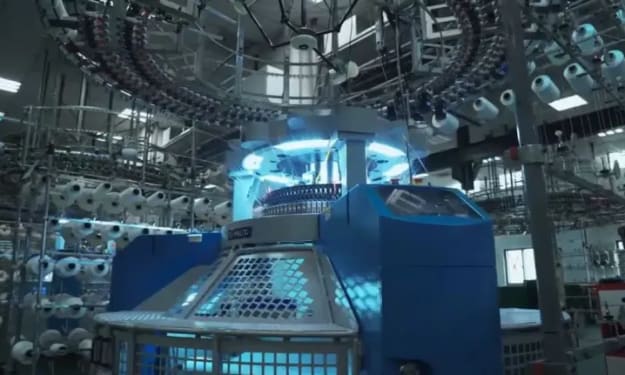
How Smart Knitting Machines Are Transforming Production: The Future of Automated Textile Manufacturing
The textile and garment industry is undergoing a radical transformation, driven by advancements in automation and smart technology. Among the most ground-breaking innovations is the rise of smart knitting machines, which are revolutionizing production processes, enhancing efficiency, and reducing waste. These intelligent machines integrate artificial intelligence (AI), automation, and digital connectivity to create high-quality knitted fabrics with minimal human intervention. This shift is not only optimizing production speeds but also promoting sustainability, customization, and cost-efficiency in the industry.
By textilenews10 months ago in Styled
Top 10 Tigre Rosa Heels Loved by Fashion Influencers in 2026
Dubai’s fashion landscape in 2026 is all about statement design, craftsmanship, and meaningful luxury, and no brand captures this spirit quite like Tigre Rosa. Blending Italian artisanal footwear with symbolic aesthetics, Tigre Rosa heels have become a must-wear among fashion influencers, style icons, and trendsetters not just in the UAE — but across the global fashion scene.
By tigrerosaofficial5 days ago in Styled
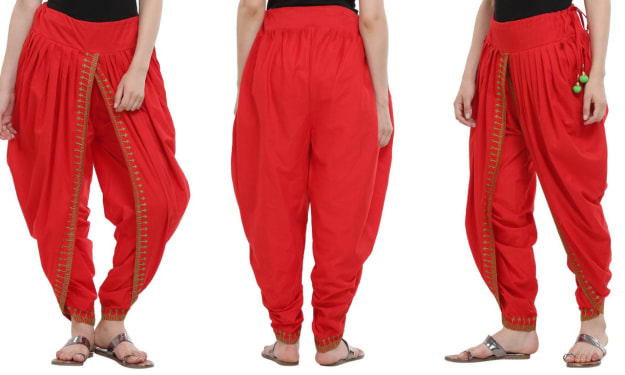
Dhoti Salwar for Haldi, Mehndi & Pre-Wedding Functions
Pre-wedding functions like haldi and mehndi are all about colour, movement, and comfort. These are the events where you sit on the floor, laugh a lot, get your hands painted, and stay dressed for hours. That’s exactly why, in recent years, dhoti salwar has become a favourite choice for these celebrations. It offers the festive feel of ethnic wear while staying easy to move in something every haldi and mehndi outfit should do well.
By Amit Mandal3 days ago in Styled


Comments
There are no comments for this story
Be the first to respond and start the conversation.